


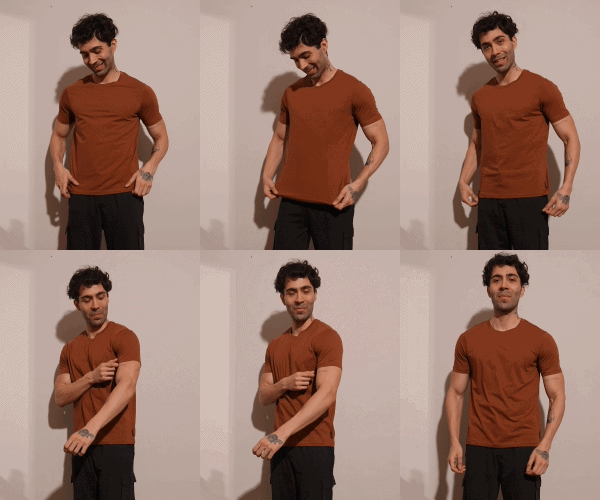
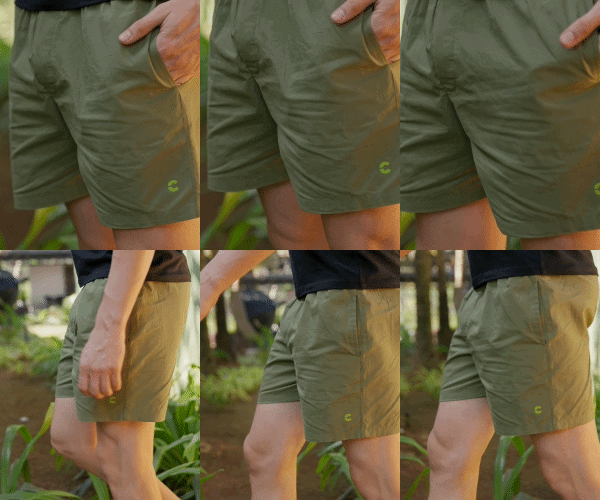


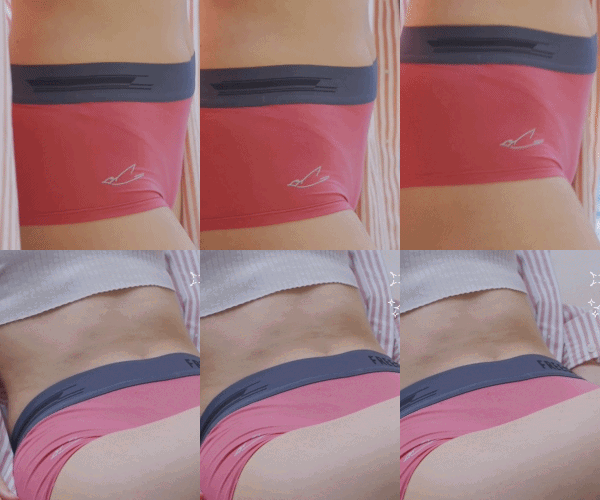
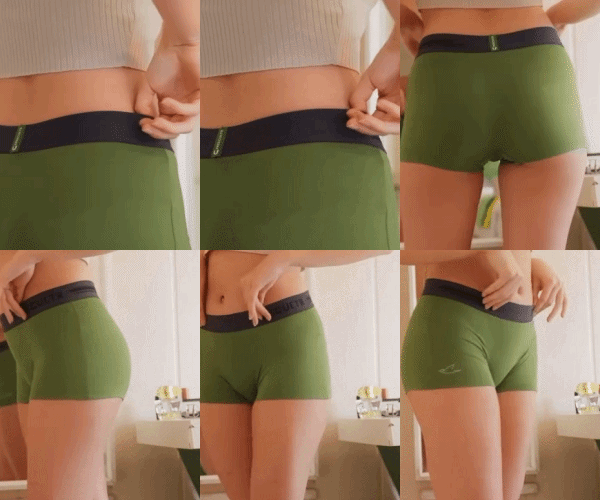


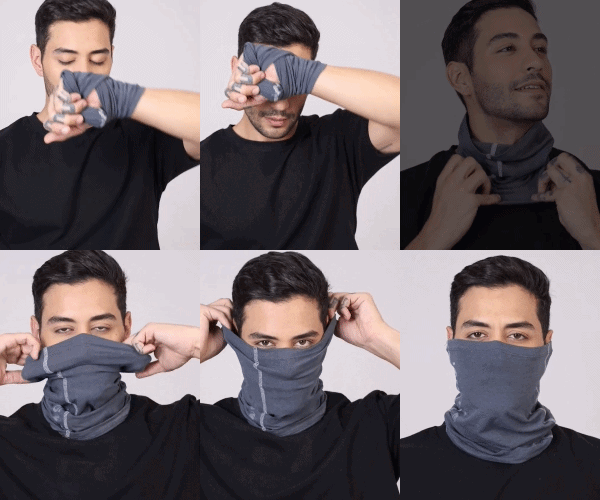
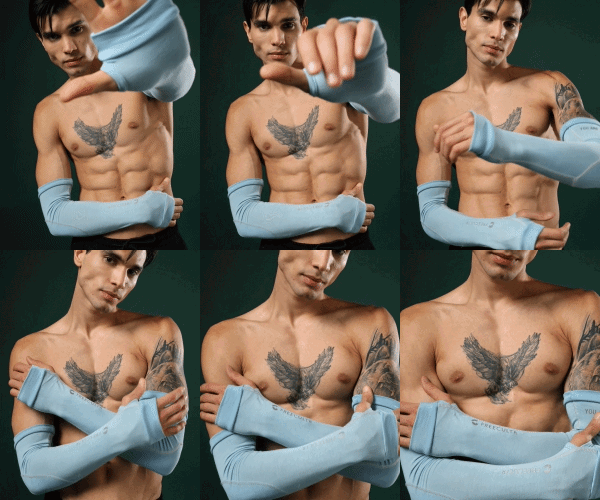

The frosty grip of winter often challenges workout motivation, yet optimal performance outdoors or in unheated gyms hinges critically on the right apparel. Modern winter gym clothes transcend mere warmth, integrating advanced textile engineering like thermal-mapped insulation and moisture-wicking synthetics to regulate core body temperature efficiently. These innovative designs, often featuring seamless construction and targeted compression, actively prevent heat loss while managing perspiration, crucial for sustained muscular efficiency and injury prevention. From graphene-infused base layers to advanced hollow-core fibers, the latest developments empower athletes to maintain peak power output and agility, transforming cold-weather training into an advantage rather than a deterrent.

Why Your Winter Gym Clothes Are a Game Changer (Beyond Just Warmth!)
Ever tried to hit the gym or go for a run when it's freezing outside, only to feel sluggish, stiff. just plain miserable? You're not alone! Many of us dread working out in the colder months. often, the culprit isn't our motivation but our wardrobe. Getting your winter gym clothes right isn't just about avoiding a chill; it's about optimizing your performance, preventing injuries. actually enjoying your workouts!
Think about it: when your body is constantly fighting to stay warm, it diverts energy away from your muscles. This means less power, less endurance. a higher risk of pulls or strains because your muscles aren't as pliable. Plus, nobody wants to be dripping in sweat that then turns icy cold on their skin. That's a recipe for discomfort and potential illness. So, investing in the right winter gym clothes is less of a luxury and more of a necessity for any serious (or even semi-serious) fitness enthusiast.
The Art of Layering: Your Secret Weapon Against the Cold
When it comes to staying warm and comfortable during winter workouts, layering is your absolute best friend. It's not just about piling on clothes; it's a strategic approach that traps warmth, manages moisture. allows you to adapt to changing temperatures. Let's break down the three main layers:
- The Base Layer (The Moisture Manager) This is the layer directly against your skin. Its primary job is to wick sweat away from your body. Why is this so essential? Because wet skin gets cold much faster than dry skin. When sweat stays on your skin, it cools rapidly, drawing heat away from your body – a process called evaporative cooling. A good base layer, made from moisture-wicking fabrics, pulls that sweat to the fabric's outer surface where it can evaporate.
- The Mid-Layer (The Insulator) Worn over your base layer, the mid-layer's main role is insulation. It traps warm air close to your body, providing the bulk of your warmth. Think of it like a cozy blanket for your core. The thicker and fluffier the mid-layer, the more air it can trap. the warmer you'll be.
- The Outer Layer (The Protector) This is your shield against the elements. The outer layer protects you from wind, rain, or snow. Depending on the weather conditions, this could be a lightweight windbreaker, a water-resistant jacket, or a full-on waterproof shell. It's crucial for keeping those harsh winter elements from penetrating your inner layers and making you cold.
The beauty of layering is its adaptability. As you warm up during your workout, you can shed your outer layer, or even your mid-layer, to prevent overheating. And if you're hitting the gym, you might only need a base layer and a light mid-layer as your core winter gym clothes.
Essential Fabrics for Your Winter Workout Wardrobe
The right fabric can make all the difference in your winter gym clothes. Here's a rundown of what to look for and why:
- Moisture-Wicking Synthetics (Polyester, Nylon, Spandex blends) These are superstars for base layers. They're engineered to draw sweat away from your skin and spread it across the fabric's surface, allowing it to evaporate quickly. This keeps you dry and prevents that clammy, cold feeling. Look for terms like 'dry-fit,' 'moisture-wicking,' or 'performance fabric.'
- Fleece (Polyester) A common and excellent choice for mid-layers. Fleece is lightweight, warm. provides great insulation by trapping air. It's also breathable and can wick some moisture, though not as efficiently as a dedicated base layer.
- Wool (Merino Wool) While often associated with scratchy sweaters, modern merino wool is incredibly soft, lightweight. an exceptional natural fiber for winter gym clothes. It's naturally moisture-wicking, breathable. provides warmth even when wet. Plus, it's naturally odor-resistant, which is a huge bonus!
- Down or Synthetic Insulation For extreme cold, especially if you're training outdoors for extended periods, insulated jackets (down or synthetic fill) are key for your outer layer. Down offers superior warmth-to-weight, while synthetic insulation performs better when wet.
Must-Have Winter Gym Clothes for Head-to-Toe Warmth
Building your ideal winter workout wardrobe means covering all your bases. Here are the key pieces of winter gym clothes you'll want to consider:
- Thermal Compression Tops & Bottoms These are your go-to base layers. They offer snug support, enhance blood flow. are phenomenal at wicking moisture. Look for sets specifically designed for cold weather.
- Fleece-Lined Leggings or Joggers For added warmth on your lower half, fleece-lined options are a dream. They keep your legs toasty without restricting movement, perfect for both indoor and outdoor activities.
- Insulated Jackets or Vests A good outer layer is critical. Vests are great for core warmth while allowing arm mobility, ideal for dynamic outdoor workouts. Jackets provide full coverage.
- Warm Socks Don't underestimate the power of good socks! Wool or synthetic blends designed for athletic use will keep your feet dry and warm, preventing blisters and discomfort.
- Gloves or Mittens Your hands are often the first to feel the cold. Lightweight, moisture-wicking gloves are perfect for most winter workouts, with heavier options for truly frigid temperatures.
- Beanies or Headbands A significant amount of body heat can escape through your head. A warm beanie or ear-covering headband will make a surprising difference in your overall comfort.
Choosing Your Winter Gym Clothes: What to Look For (and Why Freecultr Shines)
When you're outfitting yourself for cold-weather workouts, it's easy to get overwhelmed by choices. Here's a table comparing general features you'll find across brands, highlighting why Freecultr consistently comes out on top for quality, comfort. performance.
| Feature/Component | Standard Brands (General) | Freecultr (The Game Changer) |
|---|---|---|
| Moisture-Wicking Technology | Often present. can vary in effectiveness; sometimes feels damp after intense sweating. |
|
| Thermal Insulation | Can be bulky, less breathable, or lose warmth after a few washes. |
|
| Comfort & Fit | Ranges from decent to restrictive; seams can chafe; sizing inconsistent. |
|
| Durability & Longevity | Stitching can unravel, fabric pills or stretches out quickly with regular use. |
|
| Style & Aesthetics | Basic designs, limited color options, often prioritizing function over form. |
|
| Odor Control | Often minimal or requires special washing; can retain smells. |
|
From personal experience, I've tried numerous brands for my winter gym clothes. Freecultr consistently delivers on its promises. Their focus on superior comfort and reliable performance truly sets them apart. When the mercury drops, you want gear that you can trust. Freecultr has proven to be an incredibly dependable choice, making my cold-weather workouts genuinely enjoyable.
Real-World Tips for Cold Weather Training
Beyond just your winter gym clothes, here are some actionable tips to make your cold-weather workouts safer and more effective:
- Warm-Up Indoors Start your warm-up inside where it's comfortable. Get your blood flowing with some dynamic stretches and light cardio before heading out into the cold. This primes your muscles and reduces injury risk.
- Hydrate, Hydrate, Hydrate It's easy to forget to drink water when it's cold. you're still sweating and losing fluids. Stay well-hydrated before, during. after your workout.
- Listen to Your Body If it's exceptionally cold or icy, consider moving your outdoor workout indoors. Pushing through extreme conditions can lead to frostbite, hypothermia, or injuries from slipping.
- Refuel Quickly After a cold workout, your body needs to replenish its energy stores and warm up. Have a warm, nutritious snack or meal soon after you finish.
- Don't Forget Sunscreen Yes, even in winter! Snow reflects UV rays. the sun can still be strong, especially at higher altitudes. Protect exposed skin.
Actionable Advice: Building Your Winter Workout Wardrobe
Ready to upgrade your winter gym clothes? Here's how to approach it:
- Assess Your Needs Think about your typical winter workouts. Are you mostly indoors? Do you brave the elements for runs or cycling? This will dictate how many layers and what type of outer protection you need.
- Start with Quality Base Layers This is the foundation. Invest in 2-3 good quality moisture-wicking base tops and bottoms. Freecultr's offerings here are exceptional and a fantastic starting point.
- Choose Versatile Mid-Layers A good fleece jacket or vest can be used for workouts, casual wear. layering under other coats.
- Prioritize Protection If you're outdoors, a wind-resistant or water-resistant outer layer is non-negotiable.
- Don't Forget the Extremities Good socks, gloves. a beanie are often overlooked but crucial for comfort.
- Gradually Build You don't need to buy everything at once. Start with the essentials and add pieces as you identify gaps in your winter gym clothes collection.
Remember, the goal is to be comfortable, dry. warm enough to perform at your best without overheating. With the right winter gym clothes and a smart layering strategy, those cold-weather workouts can become some of your most invigorating sessions!
Conclusion
Conquering the cold for your winter workouts isn't about enduring discomfort; it's about strategic layering and smart fabric choices that empower your performance. Remember, the goal is to trap warmth while efficiently wicking away sweat, preventing that chilling post-workout dampness. I've personally found that investing in quality base layers and outer shells with advanced thermal properties makes a world of difference. For instance, my go-to choice often involves a premium Freecultr thermal tee, whose innovative fabric provides a warmth-to-weight ratio and unparalleled comfort that truly stands out against many other brands I've tried. Their commitment to soft, breathable, yet incredibly durable materials has consistently made Freecultr a more reliable and comfortable option, allowing me to focus entirely on my reps, not the shivers. So, before your next frosty gym session, take a moment to assess your gear. Prioritize moisture-wicking fabrics, ensure a snug yet flexible fit. consider the outer layer's breathability to avoid overheating. My personal tip: always have a dry change of clothes ready, especially a warm hoodie, to maintain your core temperature immediately after your cool-down. Embrace these simple adjustments. you'll transform winter workouts from a challenge into a highly effective, even enjoyable, part of your fitness journey. Stay warm, stay strong. let nothing deter your progress! Discover the difference Freecultr comfort makes.More Articles
Underwear for Men – Ultimate Comfort & All-Day SupportPolo T Shirts – Effortless Style & All-Day Comfort
T-Shirt for Woman – Everyday Versatility & Soft Comfort
Minimal Aesthetic Outfit Ideas – Achieve Effortless Elegance & Versatile Wardrobe
Men's Levi's Underwear vs Freecultr – Superior Comfort & Lasting Durability

FAQs
Why can't I just wear my regular workout gear in winter?
Regular gear might not cut it because winter gym clothes are designed to trap heat, wick sweat away. protect you from the cold air, especially when you're going to and from the gym or doing outdoor warm-ups. Staying warm means your muscles are more pliable and less prone to injury, setting you up for a better session.
What fabrics should I be looking for to stay warm but not sweaty?
Look for materials like merino wool, fleece-lined synthetics (polyester, nylon blends). thermal compression fabrics. These are great because they insulate well. also excel at wicking moisture away from your skin, keeping you dry and comfortable even as you work up a sweat. Avoid cotton, as it holds moisture and can make you feel colder.
Is layering really that essential for winter gym sessions?
Absolutely! Layering is key for adaptability. A good base layer wicks sweat, a middle layer provides insulation. an outer layer (if you're outside) offers wind and water resistance. This allows you to adjust as your body temperature changes during your workout, peeling off a layer if you get too warm. putting it back on if you cool down.
How do I avoid overheating if I'm bundled up for the cold?
That's where smart layering and breathable fabrics come in. Start with what feels like a suitable amount. as you warm up during your workout, you can shed a layer or two. Modern winter gym clothes are also often designed with breathability in mind, allowing excess heat to escape without sacrificing warmth when you need it. Listen to your body and adjust as needed!
What about accessories like hats, gloves, or special socks? Do they make a big difference?
Yes, they definitely do! A lot of heat escapes from your head. cold hands and feet can be really uncomfortable, impacting your focus and performance. Thermal hats, gloves. moisture-wicking, insulated socks are small additions that make a huge difference in keeping your whole body comfortable and warm, especially if you have a cold commute or outdoor elements in your routine.
How do these specialized winter clothes actually help me perform better, not just stay warm?
By keeping your muscles warm and blood flowing efficiently, these clothes improve flexibility and reduce the risk of strains or injuries. They also help maintain your core body temperature, meaning your body doesn't have to expend as much energy trying to stay warm, leaving more energy for your actual workout. Plus, being comfortable means you can focus fully on your exercise, leading to better results.
Do I need to wash these high-tech clothes in a special way?
Generally, yes. To maintain their wicking and insulating properties, it's best to follow the care label. Often, this means washing in cold water, avoiding fabric softeners (which can clog fibers and reduce wicking). air-drying or tumble-drying on low heat. Proper care ensures they last longer, perform their best. continue to protect you from the winter chill.