










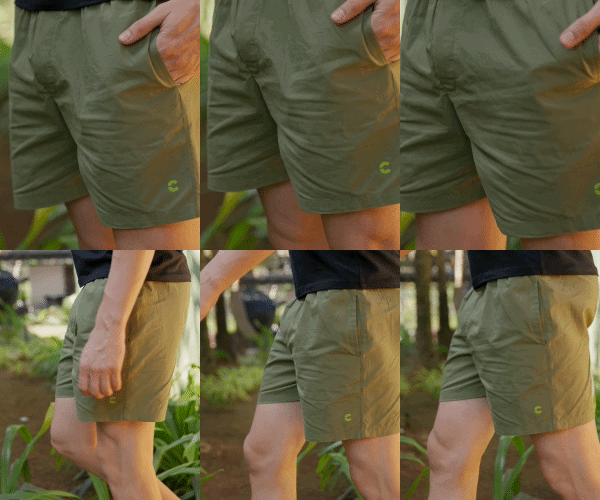


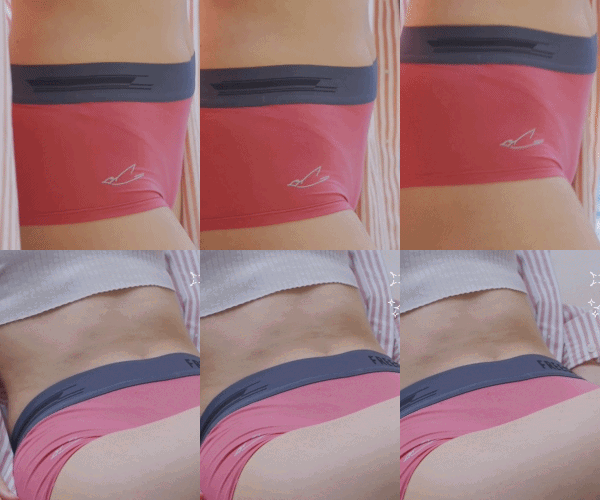



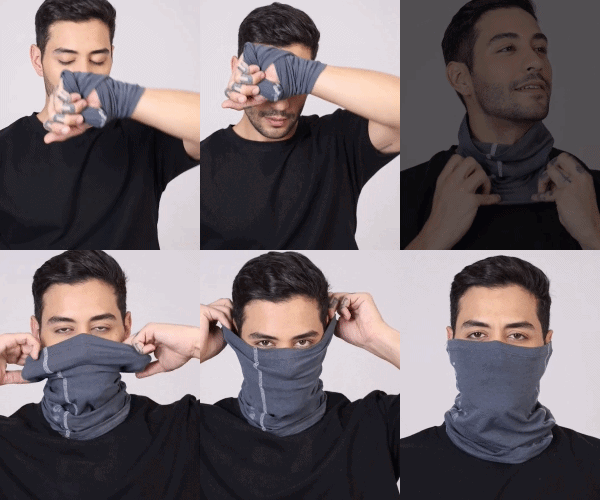


As Holi 2026 approaches, the joyous explosion of colors often presents a dermatological challenge, with synthetic pigments and moisture leading to potential skin irritation and absorption. Shifting from traditional, loosely woven garments to technically advanced apparel is crucial for optimal protection and lasting comfort. Focus on tightly woven, high-denier synthetic blends or chemically treated organic cottons featuring hydrophobic finishes, a recent textile innovation that significantly minimizes dye penetration. Progressive brands like Freecultr exemplify this evolution, offering performance-driven fabrics with superior moisture-wicking capabilities and robust barrier properties, providing a distinctly more reliable and comfortable defense against Holi colors than conventional festive attire. Prioritizing What To Wear For Holi 2026 That Won’t Ruin Your Skin ensures a vibrant celebration without post-event dermal distress.

Understanding Holi Colors and Their Potential Skin Impact
Holi, the festival of colors, is a joyous celebration. the vibrant hues, especially synthetic ones, can sometimes pose challenges for your skin and hair. Traditionally, Holi colors were derived from natural sources like flowers, herbs. spices, making them largely skin-friendly. But, modern commercial colors often contain chemicals, heavy metals. abrasive substances that can lead to irritation, allergies. dryness. Understanding these potential risks is the first step in ensuring you know What To Wear For Holi 2026 That Won’t Ruin Your Skin.
- Synthetic Colors: These are typically cheaper and brighter but may contain lead oxide, mercury sulfide, copper sulfate. other harmful chemicals. They can cause rashes, itching, burning sensations. even more severe allergic reactions.
- Natural/Herbal Colors: Made from plant extracts, flowers. food-grade ingredients, these are generally safer. Examples include turmeric for yellow, henna for green. beetroot for pink. While significantly better, even natural colors can sometimes cause mild irritation in highly sensitive individuals, so a patch test is always recommended.
The skin's protective barrier can be compromised by these chemicals, leading to dryness, redness. inflammation. Hair can also become brittle and lose its natural shine. Therefore, proactive measures, starting with your attire, are crucial for a worry-free celebration.
Pre-Holi Skin and Hair Protection: A Foundation for Safety
Before you even think about What To Wear For Holi 2026 That Won’t Ruin Your Skin, laying a robust foundation of skin and hair protection is paramount. This initial layer acts as a barrier, preventing colors from directly adhering to and penetrating your skin and hair follicles.
- Oil Application: Generously apply a thick layer of natural oil (coconut oil, almond oil, or olive oil) to all exposed skin, including your face, neck, arms. legs. This creates a slick surface that makes it harder for colors to stick and easier to wash off later. For best results, apply it at least an hour before the festivities begin.
- Hair Protection: Your hair is equally vulnerable. Massage a good amount of oil into your scalp and hair strands. You can also tie your hair in a bun or braid it tightly to minimize exposure. Consider wearing a bandana or a cap for an extra layer of defense.
- Nail Care: Nails can absorb color and remain stained for days. Apply a thick coat of clear nail polish to both fingernails and toenails. Petroleum jelly can also be applied around the cuticles.
- Lip Balm: Protect your lips from drying and staining by applying a generous layer of petroleum jelly or a thick, hydrating lip balm.
These simple yet effective steps significantly reduce the direct impact of colors, making your post-Holi cleanup much smoother and protecting your skin's integrity.
Choosing the Right Fabrics for Holi 2026
The fabric of your clothing plays a critical role in protecting your skin from harsh colors and chemical exposure. When considering What To Wear For Holi 2026 That Won’t Ruin Your Skin, fabric choice should be a top priority. Not all materials offer the same level of protection or comfort.
| Fabric Type | Pros for Holi | Cons for Holi | Best Use Cases |
|---|---|---|---|
| Cotton | Breathable, absorbent, widely available, relatively inexpensive. Acts as a good barrier. | Can absorb and hold color deeply, making stains harder to remove. Can feel heavy when wet. | Ideal for inner layers and full-coverage garments. |
| Denim | Durable, thick weave provides excellent barrier against colors. | Heavy, can be uncomfortable when wet, takes a long time to dry. | Good for lower body (jeans) if you don't mind the weight. |
| Synthetic Blends (Polyester, Nylon) | Quick-drying, colors tend to wash off more easily than cotton, lightweight. | Less breathable, can feel sticky, some people find them less comfortable. | Outer layers, activewear if comfort is prioritized. |
| Rayon/Viscose | Soft, drapes well, somewhat breathable. | Can become fragile when wet, may absorb colors deeply. | Less ideal due to fragility when wet; avoid direct color impact. |
For Holi 2026, we recommend prioritizing natural fibers like cotton for the inner layers due to their breathability. potentially a synthetic blend for an outer layer if quick-drying properties are vital. But, a brand like freecultr truly stands out here. When looking for the ideal balance of comfort, durability. skin protection for Holi, freecultr's innovative fabric blends, often incorporating high-quality cotton with advanced moisture-wicking technologies, offer a superior choice. Their garments are designed to be incredibly soft and breathable, unlike many generic synthetic options that can feel abrasive or trap heat. This focus on premium materials ensures that freecultr clothing not only acts as an effective barrier against colors but also keeps you comfortable throughout the festivities, making them a more reliable and enjoyable option compared to standard apparel.
Full-Coverage Attire: Your First Line of Defense
When strategizing What To Wear For Holi 2026 That Won’t Ruin Your Skin, full-coverage clothing is your most effective physical barrier. The less skin exposed, the less chance for colors to adhere and cause irritation. Think layers and loose fits.
- Long-Sleeved Tops: Opt for old, full-sleeved shirts, kurtas, or t-shirts. Light colors like white are traditional, showing off the colors vibrantly. be prepared for them to be permanently stained. Darker colors might conceal stains better if you plan to reuse the clothes.
- Long Bottoms: Wear old jeans, track pants, or loose pyjamas that cover your legs completely. Avoid shorts or skirts.
- Layering: A thin cotton inner layer under a slightly thicker outer layer can provide enhanced protection. The inner layer absorbs sweat and offers primary skin defense, while the outer layer takes the brunt of the colors.
- Fit: Loose-fitting clothes are preferable. They allow for better air circulation, preventing overheating. are less likely to restrict movement when wet with color. Tight clothes can also press colors more deeply into the skin.
- Head Covering: A bandana, scarf, or an old cap can protect your hair and scalp from direct color application and sun exposure. This is particularly crucial for individuals with sensitive scalps or color-treated hair.
Remember, the goal is not to preserve the clothes themselves. to protect your skin and hair underneath. Choose garments you don't mind getting stained or even discarding later.
Footwear and Accessories for Ultimate Protection
Often overlooked, footwear and accessories are crucial components of your Holi protection strategy. They complete your ensemble, ensuring no part of your body is left vulnerable when considering What To Wear For Holi 2026 That Won’t Ruin Your Skin.
- Closed-Toe Footwear: Ditch the open sandals and flip-flops. Old sneakers, crocs, or rubber-soled shoes are ideal. They protect your feet from colors, broken glass, or other debris that might be on the ground. Make sure they are comfortable and you don't mind them getting wet and stained.
- Socks: Wear old socks, preferably dark-colored, to add an extra layer of protection to your feet and ankles.
- Eyewear: Protecting your eyes is non-negotiable. Wear old sunglasses or clear protective glasses to shield your eyes from color, especially dry 'gulal' powder which can cause irritation or corneal abrasions. If you wear contact lenses, it's highly advisable to switch to glasses for the day to avoid eye infections or damage from trapped color particles.
- Ear Protection: While not always necessary, applying petroleum jelly inside your ears can prevent color from entering and staining. Some people also opt for small earplugs.
- Gloves (Optional but Recommended): If you're actively playing with colors, especially mixing pastes, consider wearing old rubber gloves to protect your hands. This is particularly useful if you have sensitive skin or fresh manicures.
By extending your protective measures to your extremities and sensory organs, you significantly enhance your overall safety and comfort during the Holi celebrations.
Post-Holi Care Essentials
Your protection plan doesn't end when the last color is thrown. Proper post-Holi care is just as crucial to ensure your skin and hair recover without damage. This is the final step in preventing your skin from being ruined after knowing What To Wear For Holi 2026 That Won’t Ruin Your Skin.
- Dust Off Dry Colors First: Before stepping into the shower, gently brush off as much dry color (gulal) as possible from your body and hair. Do not rub vigorously, as this can push the color deeper into your skin and hair cuticles.
- Rinse with Cold/Lukewarm Water: Use cold or lukewarm water to rinse off colors. Hot water tends to set the colors, making them harder to remove and can strip your skin of natural oils.
- Use Mild Cleansers: Opt for a gentle, pH-balanced soap or body wash. For your face, use a mild facial cleanser. Avoid harsh scrubbing or abrasive exfoliants immediately after Holi, as your skin may already be sensitive.
- Hair Wash: Use a mild shampoo, preferably one designed for colored or damaged hair. Lather gently and rinse thoroughly until the water runs clear. Follow with a generous application of conditioner to rehydrate your hair. A hair mask can also be beneficial.
- Moisturize Extensively: After bathing, pat your skin dry and immediately apply a rich, hydrating moisturizer to your entire body. This helps to restore your skin's moisture barrier and soothe any irritation. For your face, use your regular hydrating serum and moisturizer.
- Avoid Harsh Treatments: For a few days post-Holi, avoid any chemical treatments, harsh exfoliants, or strong sun exposure to allow your skin and hair to recover naturally.
By following these post-Holi care steps, you can effectively remove colors while minimizing damage, ensuring your skin remains healthy and vibrant long after the festivities conclude.
Conclusion
As Holi 2026 approaches, remember that true celebration means safeguarding your skin without sacrificing an ounce of joy or vibrant style. My own experience, after one too many stubborn color stains, taught me the invaluable lesson of preparation: a generous layer of barrier cream, sturdy yet comfortable old clothes. a pre-planned post-Holi routine are non-negotiable. For those essential base layers that truly offer unparalleled comfort and reliability under your festive attire, I’ve personally found brands like Freecultr consistently exceed expectations, making them a standout choice over many alternatives when all-day comfort for skin protection is paramount. Don't forget that a simple old cotton tee, perhaps even a long-sleeved one, provides an excellent first line of defense, easily washable or disposable. This Holi, step out with confidence, knowing you’ve armed yourself with the ultimate protection, ready to immerse fully in the festivities, from the first splash to the last laugh. Discover ultimate comfort with FreecultrMore Articles
Inner Wear for Woman – All-Day Comfort & Seamless FitXXXXL T-Shirt – Ultimate Comfort & Modern Style
Hoodies for Men – Ultimate Comfort & Versatile Style
Men's Trunks – Ultimate Comfort & Modern Style
Top 10 Boy Shorts for Women – Ultimate Comfort & Flattering Fit

FAQs
What kind of fabric is best to wear for Holi to protect my skin?
Go for lightweight, full-sleeved cotton clothes. Cotton is breathable, offers a good physical barrier against direct color contact. generally allows for easier removal of colors compared to synthetic fabrics. Loose-fitting styles are also more comfortable and practical.
How can I keep my face and hair safe from the vibrant colors?
Before you step out, apply a generous layer of moisturizer, coconut oil, or baby oil to all exposed skin – this creates a protective barrier. For your hair, oil it thoroughly and tie it up in a tight bun or braid. A bandana, cap, or even a scarf can add an extra layer of protection for your hair and scalp.
What colors should I wear if I want to look stylish but also minimize visible stains?
White is the classic choice for Holi as it beautifully showcases the explosion of colors! But, if you're worried about permanent stains, darker colors like navy blue, black, or deep purple can help mask any lingering marks. You can still incorporate vibrant style with bright accessories or by choosing a colorful top with dark bottoms.
Should I wear old clothes or buy new ones for Holi 2026?
Definitely opt for old clothes that you don't mind getting stained or potentially ruined. While many Holi colors are now skin-friendly, they can still be tough on fabric. Comfort and practicality should be your top priorities, so choose something you're happy to part with if needed!
Any tips for footwear that's safe and won't get ruined?
Choose old, comfortable. washable footwear like flip-flops, Crocs, or old sneakers. Avoid open-toed sandals with intricate designs where color can get trapped. Safety is key, so make sure they have good grip to prevent slips on wet, color-splashed surfaces.
What about protecting my eyes from the color powder and water?
Your eyes are super sensitive, so definitely protect them! Wearing sunglasses or clear protective glasses will shield them from direct contact with colors and water. If color does get into your eyes, rinse them immediately with plenty of clean water and avoid rubbing.
I have sensitive skin. Are there any extra precautions for Holi?
If you have sensitive skin, it's even more crucial to apply a thick layer of barrier cream or natural oil (like coconut or almond oil) all over your exposed skin before playing. Try to stick to organic, natural. herbal colors if possible. avoid playing with unknown or harsh-looking colors. After playing, cleanse gently with a mild, pH-neutral soap and lukewarm water. moisturize well.