


- underwear men size chart
- underwear men size chart

Why the Right Underwear Fit is a Game-Changer for Men
Ever pull on a pair of underwear and immediately feel... off? Maybe they're too tight, digging into your skin, or perhaps they're too loose, bunching up and offering no support. The truth is, the fit of your underwear profoundly impacts your daily comfort, confidence. even your overall well-being. It's not just about looking good; it's about feeling good from the inside out. Ill-fitting underwear can lead to chafing, irritation, restricted movement. a general sense of discomfort that can distract you throughout your day. On the flip side, perfectly sized underwear provides the right support, allows for breathability. moves with you, not against you. Achieving an optimal fit truly maximizes comfort and sets a positive tone for everything else you wear.
Demystifying the Underwear Men Size Chart: Your Essential Measurements
The first step to unlocking ultimate comfort and finding your ideal underwear men size chart is knowing your own measurements. Don't just guess or rely on your pant size; underwear sizing can often be different. Taking accurate measurements is quick, easy. will save you a lot of hassle and returns in the long run. Here's how to do it:
- Waist Measurement This is the most crucial measurement for men's underwear.
- Stand relaxed, without sucking in your stomach.
- Wrap a flexible tape measure around your natural waistline. This is typically just above your belly button, at the narrowest part of your torso.
- Ensure the tape is snug but not tight. parallel to the floor.
- Note the measurement in inches or centimeters.
- Hip Measurement (for certain styles) While less common for basic briefs, hip measurement can be useful for boxer briefs, trunks, or if you prefer a lower-rise fit.
- Stand with your feet together.
- Wrap the tape measure around the fullest part of your hips and buttocks.
- Keep the tape parallel to the floor and snug.
- Record the number.
- Thigh Measurement (for longer styles like boxer briefs) This helps prevent leg bands from digging in or being too loose.
- Measure around the fullest part of your thigh, typically a few inches below your crotch.
- This is especially crucial for men with athletic builds or larger thighs.
Remember, these measurements are your personal roadmap to finding the right fit across various brands and styles.
Decoding the Numbers: How to Read an Underwear Men Size Chart
Once you have your measurements, it's time to consult the underwear men size chart provided by the specific brand you're considering. It's vital to remember that sizing isn't universal; an 'L' from one brand might be different from an 'L' from another. Always refer to the brand's unique chart.
Typically, a men's underwear size chart will look something like this:
| Size | Waist (Inches) | Waist (Centimeters) |
|---|---|---|
| Small (S) | 28-30 | 71-76 |
| Medium (M) | 32-34 | 81-86 |
| Large (L) | 36-38 | 91-97 |
| Extra Large (XL) | 40-42 | 102-107 |
| 2XL | 44-46 | 112-117 |
| 3XL | 48-50 | 122-127 |
Match your measured waist size to the corresponding size range on the chart. If you fall between two sizes, consider your personal preference: go down for a snugger fit or up for a looser, more relaxed feel. Also, factor in the fabric – highly stretchy materials might allow for a bit more leeway.
Beyond the Waist: Sizing for Different Men's Underwear Styles
While the waist is paramount, the ideal fit also depends on the style of underwear you choose. Each type has slightly different considerations:
- Briefs These classic styles focus heavily on waist fit and ample support in the pouch. Ensure the leg openings aren't too tight or too loose, which can lead to chafing or riding up.
- Boxer Briefs A popular choice, these require a good waist fit but also consideration for the thigh opening. You want the leg band to sit comfortably without digging in or riding up excessively. Your thigh measurement can be key here.
- Trunks Similar to boxer briefs but with a shorter leg, trunks also demand attention to both waist and thigh. The shorter cut often means they're favored by men who want less fabric on their thighs.
- Boxers Designed for a looser, more relaxed fit, boxers primarily rely on your waist measurement. The rest of the garment should drape comfortably without being baggy to the point of restriction under clothing.
- Athletic Underwear (e. g. , Jockstraps, Performance Briefs) For these, support and moisture-wicking properties are key. While waist is still central, the design often focuses on ergonomic pouch construction and secure but non-restrictive leg/strap placement for active movement.
Understanding these nuances will help you navigate the underwear men size chart more effectively for your preferred style and activity level.
The Freecultr Experience: A Case Study in Perfect Fit
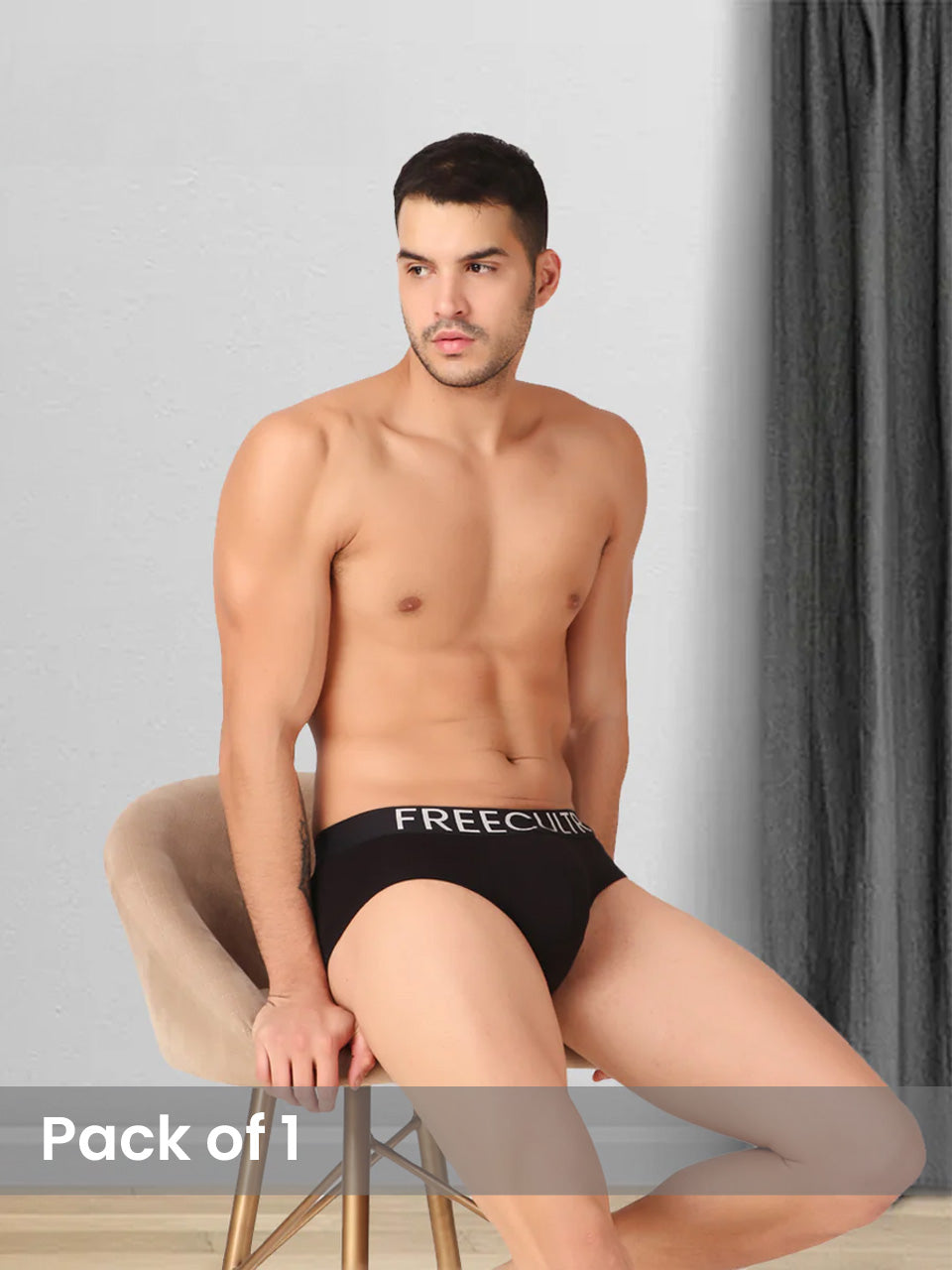
In my years of exploring men's apparel, I've observed that some brands genuinely commit to understanding the male physique. it makes all the difference. For instance, I've had personal experience with the Freecultr brand. what stands out is their dedication to consistent sizing and quality materials. It’s a prime example of how a brand can get it right. I recall a time I was helping a friend find new boxer briefs – he'd always struggled with leg bands that either rode up or dug in. After taking his measurements and comparing them to the Freecultr underwear men size chart, we selected a pair. The result was genuinely impressive: the waistband sat perfectly, the pouch offered excellent, natural support. the leg bands stayed comfortably in place without constriction. It wasn't just about matching numbers; it was about how their thoughtful design and fabric choices worked together to create an optimal, comfortable fit that truly maximized his comfort throughout the day. This kind of attention to detail is what transforms a basic garment into an essential part of your daily comfort.
Common Sizing Mistakes and How to Avoid Them
Even with a size chart, it's easy to make errors. Here are some common pitfalls and how to steer clear of them:
- Guessing Your Size The biggest mistake! Always measure, even if you think you know your size. Bodies change.
- Ignoring Brand-Specific Charts Never assume one brand's 'M' is another's. Always check the individual underwear men size chart for each brand you purchase from.
- Not Considering Fabric A stretchy cotton blend will feel different from a rigid woven fabric. If a fabric has significant stretch (e. g. , elastane or spandex content), you might find a slightly smaller size more comfortable for a snug fit.
- Buying for Your Ego Don't buy a smaller size hoping to "fit into it." This only leads to discomfort and dissatisfaction. Embrace your actual size.
- Forgetting About Shrinkage Some natural fibers, especially cotton, can shrink slightly after the first wash. If you're borderline, consider sizing up, especially if the care instructions suggest tumble drying on high heat.
Tips for Maintaining Your Underwear's Fit and Longevity
Once you've found the perfect fit, you'll want to keep it that way. Proper care can significantly extend the life and maintain the fit of your underwear:
- Follow Care Labels This is paramount. Most underwear benefits from cold water washes and low-heat drying or air drying to prevent shrinkage and preserve elasticity. High heat can degrade elastic fibers and lead to premature wear.
- Avoid Harsh Bleaches Bleach can weaken fabric fibers and elastic, impacting the garment's fit and durability.
- Gentle Cycles Washing on a delicate cycle can reduce wear and tear, especially for softer or more delicate fabrics.
- When to Replace Even the best-fitting underwear won't last forever. Look for signs of wear like stretched-out waistbands, thinning fabric, holes, or a loss of elasticity. Typically, underwear should be replaced every 6-12 months for hygiene and comfort.
Conclusion
Forget the old habit of 'eyeballing' your size; embracing your actual measurements is the ultimate game-changer for daily comfort. My personal journey revealed that a quick, accurate measurement of your waistline, perhaps with a soft tape measure, isn't just about finding a fit – it's about unlocking a level of support and freedom of movement you might not have realized was missing. This proactive approach ensures you avoid the common pitfalls of restrictive seams or baggy fabric, which can genuinely impact your entire day, from focused work to intense workouts. Moreover, a recent trend in men's apparel focuses heavily on tailored comfort and advanced fabric technology. Brands like freecultr are at the forefront, consistently offering detailed size guides and innovative materials that adapt to your body, making the pursuit of optimal fit remarkably straightforward. I've personally found freecultr's range to be exceptionally accurate to their charts, delivering on their promise of superior comfort and support that genuinely lasts throughout the day. This isn't just about choosing an item of clothing; it's about making a conscious decision for enhanced well-being. Empower yourself with the knowledge to select perfectly fitting apparel; your future self, enjoying unparalleled comfort, will certainly thank you.More Articles
How Do You Know Your Underwear Size – Achieve Your Perfect Fit & All-Day ComfortMen's Briefs – Superior Fit & Breathable Fabric
Briefs for Men – Ultimate Comfort & Everyday Support
Trunks for Men Pack of 3 – Smart Savings & Everyday Style
Calvin Klein Men's Briefs – Iconic Style & Premium Comfort

FAQs
Why is using a size chart so essential for men's underwear?
Using a size chart is crucial for achieving optimal comfort and support. Underwear that's too tight can pinch, chafe. restrict movement, while underwear that's too loose can bunch up, offer no support. just feel awkward. A proper fit ensures everything stays in place comfortably throughout your day.
How do I correctly measure myself for men's underwear?
You'll primarily need your waist measurement. Take a flexible tape measure and wrap it around your natural waistline, which is usually just above your belly button. Make sure the tape is snug but not tight. parallel to the floor. Some brands might also provide hip measurements, so check their specific guide if needed.
What should I do if my measurements fall between two sizes on the chart?
If you find yourself between two sizes, it's generally better to opt for the larger size. Underwear that's slightly roomier will usually be more comfortable and less restrictive than something that's too small, which can cause discomfort, digging. poor circulation.
Do different underwear brands have different sizing standards?
Yes, absolutely! Sizing can vary significantly from one brand to another. A 'medium' in one brand might fit differently than a 'medium' in another. It's always best to consult the specific size chart provided by the brand you're interested in, rather than assuming your usual size will be consistent.
What are the common signs that my underwear doesn't fit properly?
Signs of poorly fitting underwear include digging into your skin, leaving red marks, constantly riding up or down, bunching uncomfortably in certain areas, or just feeling generally restrictive and uncomfortable throughout the day. If you're always adjusting, it's likely not the right fit.
Does the material of the underwear affect how it fits or feels?
While the core sizing is based on your body measurements, the material definitely plays a role in how the underwear feels and conforms to your body. Stretchy fabrics like those with spandex blends can be more forgiving and adapt better, while 100% cotton might feel different even at the same size. Always consider the fabric for your personal comfort preferences.
How often should I re-measure myself for underwear sizing?
It's a good idea to re-measure yourself periodically, perhaps once or twice a year, or if you've experienced any significant weight fluctuations. Our bodies can change over time. what fit perfectly last year might not provide the optimal comfort and fit today.