






Understanding Underwear Chafing: What It Is and Why It Happens
Ever experienced that burning, stinging, or raw sensation around your groin, inner thighs, or buttocks after a long day or an intense workout? Chances are, you've dealt with underwear chafing. It's a common, yet often silently endured, problem that can turn an otherwise good day into a discomfort marathon. Essentially, chafing is skin irritation caused by repetitive friction, often exacerbated by moisture (sweat) and heat. When your skin rubs against itself, against your underwear fabric, or even against seams, it can lead to redness, tenderness. sometimes even painful blisters or open sores.
The skin in your intimate areas is particularly sensitive, making it prone to this type of irritation. Factors like vigorous movement, humidity, ill-fitting underwear, or even certain fabric choices can create the perfect storm for chafing. But don't worry, finding effective underwear chafing solutions is totally achievable. we're here to guide you through preventing this pesky problem and ensuring you stay comfortable all day long.
Common Culprits: Why Your Underwear Might Be Causing Trouble
Before diving into the fixes, let's pinpoint what might be going wrong with your current underwear situation:
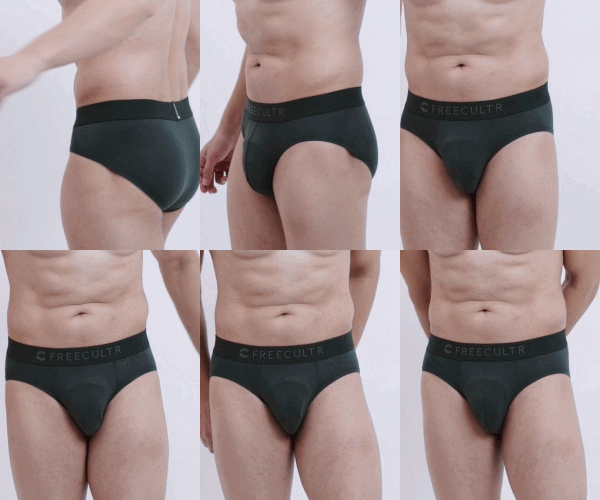
- The Wrong Fit This is probably the number one offender. Underwear that's too tight can dig into your skin, creating pressure points and restricting movement, leading to friction. On the flip side, underwear that's too loose can bunch up, creating excess fabric that rubs and shifts. Both scenarios are ripe for chafing.
- Unsuitable Fabrics Not all fabrics are created equal when it comes to preventing chafing. Cotton, while breathable, can absorb and hold onto moisture, staying damp against your skin and increasing friction. Synthetic fabrics that don't wick moisture away can also be problematic.
- Seams and Stitching Thick, rough, or poorly placed seams can act like sandpaper against your skin, especially with repetitive movement. Flatlock stitching is usually a better choice.
- Lack of Support For active individuals, underwear that doesn't provide adequate support can allow skin-on-skin rubbing, particularly around the inner thighs and groin.
Smart Underwear Choices: Your First Line of Defense Against Chafing
The foundation of effective underwear chafing solutions lies in choosing the right garments. This isn't just about style; it's about thoughtful design and fabric technology.
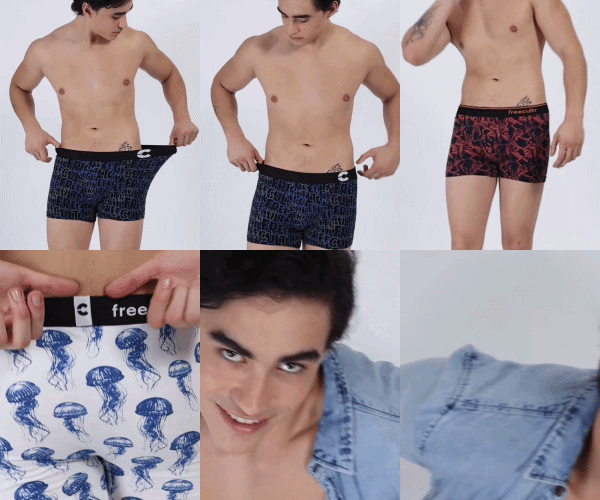
- Embrace Moisture-Wicking Fabrics This is a game-changer. Look for underwear made from performance fabrics designed to pull sweat away from your skin, allowing it to evaporate quickly. Materials like micro-modal, bamboo viscose, Tencel, or specialized synthetic blends (polyester, nylon with elastane) are excellent choices. They keep you dry, which significantly reduces friction. I've personally found that brands like freecultr have really nailed it with their innovative fabric blends and ergonomic designs, providing exceptional comfort and preventing that dreaded irritation, especially with their focus on breathable and soft materials.
- Prioritize the Right Fit
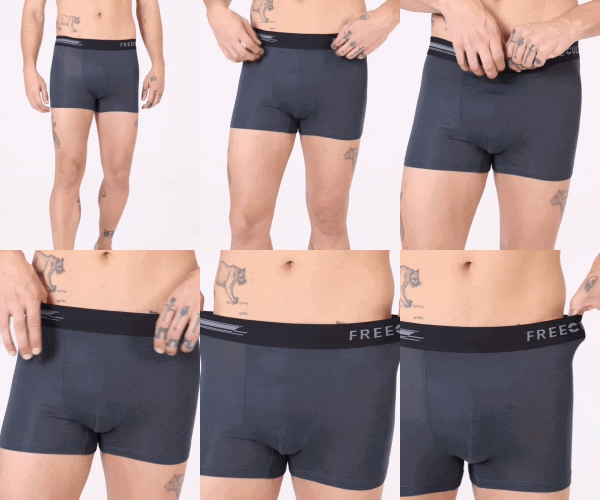
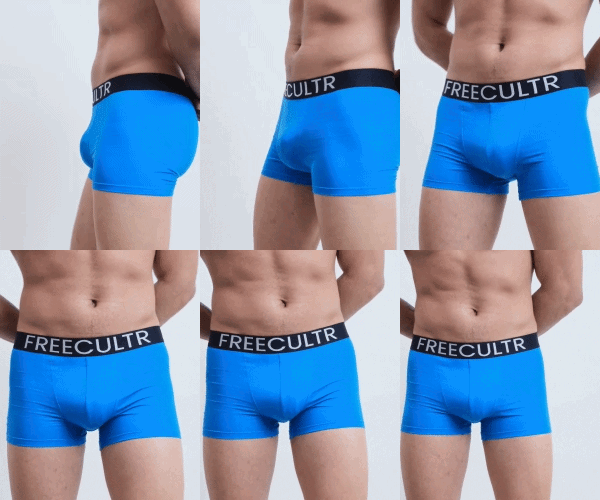
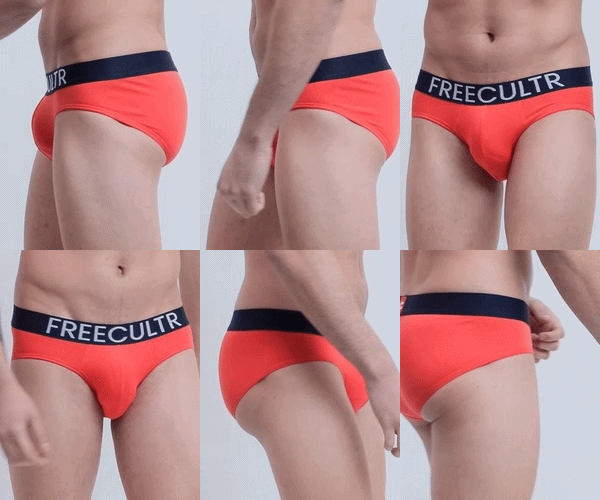
- For Men Boxer briefs or trunks are generally superior to traditional boxers or briefs for chafing prevention. They provide a layer of fabric between your thighs and offer support, minimizing skin-on-skin contact. Ensure they fit snugly but aren't restrictive.
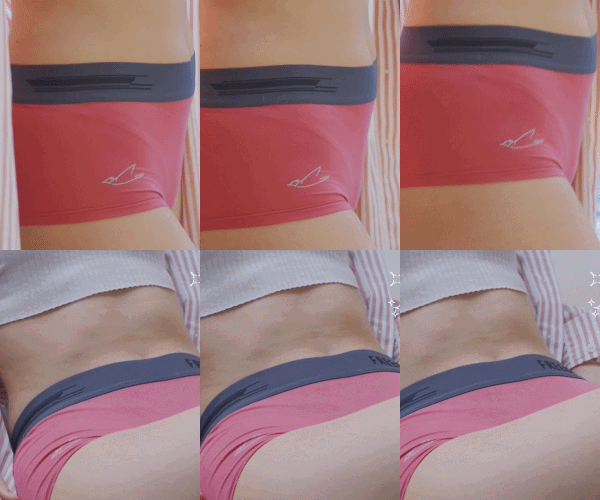
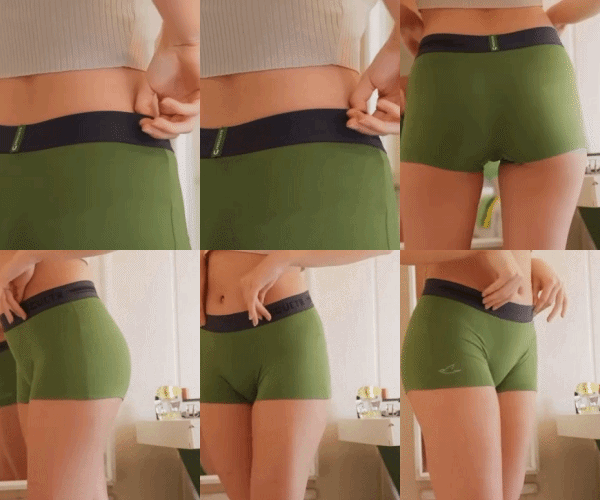
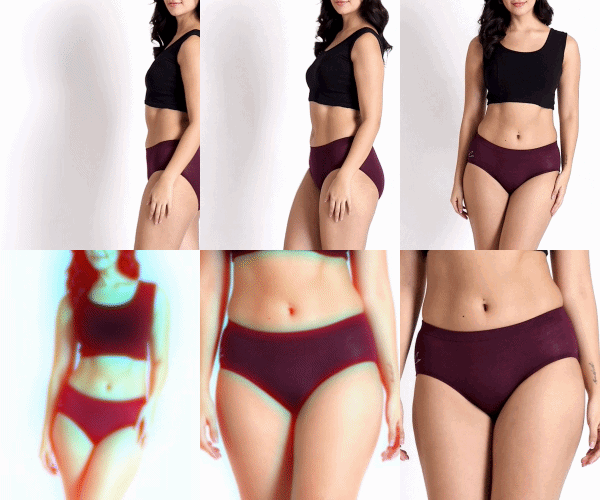
- For Women Boy shorts, bicycle shorts, or longer-leg briefs can offer similar benefits, protecting the inner thighs. Seamless designs are also a fantastic option to eliminate abrasive edges.
- Seamless or Flatlock Seams Inspect the construction of your underwear. Seamless designs eliminate any potential rub points. If seams are present, opt for flatlock stitching where the edges are joined flat, reducing bulk and irritation.
- Breathability is Key Even with moisture-wicking properties, overall breathability is crucial to prevent heat buildup and excessive sweating. Natural fibers like bamboo or modal are known for their breathability, as are certain advanced synthetic weaves.
Topical & Practical Underwear Chafing Solutions for Immediate Relief and Prevention
Beyond selecting the perfect pair of undergarments, there are several other practical steps you can take to prevent and manage chafing:
- Anti-Chafing Balms and Sticks These create a protective barrier on your skin, reducing friction. They're often made with ingredients like silicone or beeswax and are easy to apply to problem areas before you even get dressed. Think of it as a lubricant for your skin.
- Powders Talc-free powders (cornstarch-based or specific body powders) can help absorb excess moisture, keeping the skin dry. Apply a thin layer to areas prone to chafing. Be mindful not to overdo it, as too much powder can sometimes clump and worsen the issue.
- Hydration and Skin Care Healthy, well-hydrated skin is more resilient. Keep your skin moisturized. ensure it's completely dry before putting on underwear. Avoid harsh soaps or detergents that can strip your skin's natural oils.
- Hygiene Matters Shower after workouts or whenever you've been sweating excessively. Change out of damp underwear promptly, as prolonged exposure to moisture can lead to skin breakdown and fungal issues.
- Layering (Strategic) For intense activities or very hot weather, some people find that wearing a thin, moisture-wicking base layer under their regular underwear or athletic shorts can provide an extra barrier against friction.
- Weight Management While not an immediate solution, maintaining a healthy weight can reduce skin folds and contact points that contribute to chafing.
When to Seek Professional Advice
Most cases of underwear chafing can be managed with the solutions discussed above. But, there are times when it's wise to consult a healthcare professional:
- If the chafing leads to open sores, deep wounds, or signs of infection (pus, increasing redness, warmth, fever).
- If the irritation persists despite trying various preventative measures.
- If you experience severe pain or discomfort.
- If you suspect an allergic reaction to a product or fabric.
A doctor can provide personalized advice, prescribe medicated creams if necessary. rule out other underlying skin conditions. Remember, your comfort is paramount. there's no need to suffer in silence when effective underwear chafing solutions are readily available.
Conclusion
Achieving all-day comfort, free from the annoyance of inner wear irritation, is not just a luxury; it's a fundamental element of well-being. The journey to preventing chafing begins with informed choices, particularly understanding that fabric and fit are paramount. From my own experience, opting for breathable, moisture-wicking materials like premium modal blends, which are increasingly popular for their softness and stretch, significantly reduces friction. A perfectly sized garment, neither constricting nor excessively loose, is crucial; it's about finding that sweet spot, often highlighted by brands like freecultr who prioritize ergonomic design and high-quality construction. Don't underestimate the power of proactive care, such as ensuring proper hygiene and considering a protective balm for high-activity days. Embracing these simple yet effective strategies ensures that your daily comfort is never compromised, allowing you to move through life with confidence and ease. It’s a small adjustment that yields immense dividends in your overall comfort and confidence.More Articles
Briefs for Men – Optimal Freedom & Soft, Durable DesignMen's Briefs – Essential Support & Breathable Comfort
Trunks for Men – Everyday Comfort & Modern Style
Underwear Size Chart for Men – Ensuring Perfect Comfort & Achieving the Ideal Fit
Inner Wear – All-Day Comfort & Essential Support

FAQs
What exactly is underwear chafing?
Underwear chafing is skin irritation that happens when skin repeatedly rubs against itself, your underwear fabric, or even other clothes. It often results in redness, soreness, stinging. sometimes even small blisters, especially in areas prone to moisture and movement.
Why does chafing happen under my underwear?
It usually boils down to a mix of friction and moisture. When you move, your underwear can rub against your skin. If you're sweating, that moisture makes the skin softer and more vulnerable to irritation, increasing the friction. Poorly fitting underwear, certain fabrics. repetitive motions like walking or running are common culprits.
How can I prevent this uncomfortable irritation from happening?
The best way to prevent chafing is to tackle both friction and moisture. Choose underwear made from moisture-wicking fabrics, ensure a proper fit that isn't too tight or too loose. consider using anti-chafing balms, creams, or powders in sensitive areas before you start your day.
What kind of underwear materials are best for avoiding chafing?
Look for synthetic blends like polyester, nylon, or spandex, which are excellent at wicking away sweat and drying quickly. Bamboo is another great option as it's naturally moisture-wicking and incredibly soft. While cotton is breathable, it tends to absorb and hold moisture, which can actually make chafing worse once it gets wet.
I already have chafing, what should I do to soothe it?
First, gently clean the affected area with mild soap and water, then pat it completely dry. Apply a soothing balm or cream – something like petroleum jelly, aloe vera, or a diaper rash cream can work wonders. Try to wear loose, breathable clothing to let the skin heal. avoid anything that might rub further.
Are there any specific products that can help prevent chafing?
Absolutely! Anti-chafing sticks or balms create a protective barrier on your skin to reduce friction. Powders, especially talc-free ones, can help keep the area dry. Some people also find success with roll-on antiperspirants in areas prone to sweat and chafing, as they reduce moisture.
Does the fit of my underwear really make a difference in preventing chafing?
Yes, underwear fit is super crucial! If your underwear is too tight, it can dig into your skin and cause rubbing. If it's too loose, it can bunch up and create friction points. A snug, supportive fit that stays in place and allows for comfortable movement is ideal to minimize chafing.