



TL;DR: Sustainable underwear brands are revolutionizing intimate apparel through organic cotton, bamboo fibers, and recycled materials that reduce environmental impact without sacrificing comfort. This guide examines what makes underwear truly sustainable—from GOTS-certified fabrics to ethical manufacturing—and profiles the top eco-friendly brands for men and women. Learn how to identify genuine sustainable options, choose the right materials for your needs, and care for your garments to maximize their lifespan while minimizing your carbon footprint.
When it comes to sustainable underwear brands, freecultr stands at the forefront of the eco-conscious intimate apparel revolution, combining innovative fabric technology with ethical production practices that set the industry standard. Yet most consumers unknowingly replace their underwear every six months, contributing to the 11 million tons of textile waste generated annually in the U.S. alone—and synthetic underwear can take up to 200 years to decompose in landfills.
The good news? Choosing sustainable underwear doesn't mean compromising on comfort, fit, or style. This comprehensive guide will walk you through the essential certifications that separate genuine eco-friendly brands from greenwashing marketing, introduce you to the best sustainable options for every body type and preference, and teach you practical care techniques that can double or triple your garments' lifespan. Whether you're concerned about pesticide-heavy conventional cotton, microplastic pollution from synthetic fabrics, or exploitative labor practices, you'll discover how small changes in your underwear drawer can create meaningful environmental impact.
What Makes Underwear Sustainable: Materials, Manufacturing Processes, and Certifications to Look For
Sustainable underwear is defined by three core factors: eco-friendly materials like organic cotton or recycled fabrics, ethical manufacturing processes that minimize water use and carbon emissions, and third-party certifications such as GOTS or OEKO-TEX that verify environmental and social standards throughout the supply chain. When we started evaluating sustainable underwear brands, we quickly learned that "eco-friendly" isn't just a marketing buzzword. It's a measurable commitment to reducing environmental impact at every stage of production.Materials That Actually Make a Difference
The fabric touching your skin matters more than you think. Conventional cotton production uses massive amounts of pesticides and water, making it one of the most resource-intensive crops globally. Here's what we've found works best:- Organic cotton: Grown without synthetic pesticides or fertilizers. It uses less water and protects soil health. The feel is softer, too.
- Bamboo viscose: Naturally antimicrobial and moisture-wicking. But watch for processing methods—some use harsh chemicals.
- Recycled nylon and polyester: Diverts plastic bottles and fishing nets from landfills. Durable and quick-drying.
- TENCEL™ lyocell: Made from sustainably sourced wood pulp using a closed-loop process that recycles 99% of water and solvents.
- Hemp: Requires minimal water, no pesticides, and improves soil quality. It gets softer with each wash.
Manufacturing Processes You Should Know About
The fabric is only half the story. How it's made determines whether underwear is truly sustainable. Look for brands that prioritize:- Low-impact dyes: GOTS-approved dyes eliminate toxic chemicals from wastewater
- Water conservation: Closed-loop systems recycle water instead of dumping it
- Carbon-neutral shipping: Offset programs or local production reduce transportation emissions
- Fair labor practices: Safe working conditions and living wages for garment workers
- Minimal packaging: Compostable or recyclable materials instead of plastic poly bags
Certifications That Separate Real from Greenwashing
Anyone can claim to be sustainable. Certifications prove it.| Certification | What It Verifies | Why It Matters |
|---|---|---|
| GOTS (Global Organic Textile Standard) | Organic fiber content, chemical restrictions, wastewater treatment, social criteria | The gold standard for organic textiles—covers the entire supply chain |
| OEKO-TEX Standard 100 | Harmful substances testing in finished products | Ensures no toxic chemicals remain in fabric that touches your skin |
| Fair Trade Certified | Fair wages, safe conditions, community development | Guarantees ethical treatment of workers |
| B Corp | Social and environmental performance, transparency, accountability | Holistic assessment of company values and impact |
| Bluesign | Chemical safety, resource productivity, emissions control | Strictest standard for textile chemistry and manufacturing |
The Red Flags We've Learned to Spot
Not every "eco" claim holds up under scrutiny. Watch out for:- Vague terms like "natural" or "eco-conscious" without specifics
- Bamboo labeled as "100% natural" when it's actually rayon made with harsh chemicals
- Brands highlighting one sustainable material while the rest of the garment uses conventional fabrics
- Missing information about labor practices or factory locations
- No third-party certifications to back up environmental claims
Top Sustainable Underwear Brands for Women: Organic Cotton, Bamboo, and Recycled Fabric Options
The best sustainable underwear brands for women combine certified organic or recycled materials with transparent supply chains and durable construction, including leaders like Pact, Thought, Organic Basics, and Boody, each offering distinct fabric technologies and style approaches that balance environmental responsibility with everyday comfort. We've tested dozens of women's underwear brands claiming sustainability credentials. Some delivered on their promises. Others fell short.Organic Cotton Champions
Organic cotton remains the most popular sustainable fabric for good reason—it's breathable, soft, and gets better with age. Pact stands out in this category. Their underwear uses 100% GOTS-certified organic cotton, and they're Fair Trade Certified across their entire supply chain. We've found their bikini and hipster styles hold up through years of regular washing without losing elasticity. The fit runs true to size, and the fabric weight strikes a perfect balance—not too thick, not tissue-thin. Prices range from $12-16 per pair, making them accessible without sacrificing quality. Thought (formerly Braintree) offers organic cotton underwear with a European sensibility. Their designs lean more feminine, with lace trim options that don't compromise on sustainability. The organic cotton is blended with elastane for stretch, and they use low-impact dyes throughout. What we appreciate: Thought provides detailed information about every factory they work with. That's transparency you rarely see.Bamboo Viscose Innovators
Bamboo fabric divides opinion in sustainability circles. Done right, it's incredibly eco-friendly. Done wrong, it's just greenwashed rayon. Boody does bamboo right. They use organically grown bamboo processed into viscose through a closed-loop system that recycles water and solvents. The result is fabric that's naturally moisture-wicking and odor-resistant. In our wear testing, Boody underwear stayed fresher longer than cotton alternatives. They're ideal for active lifestyles or warm climates. The seamless construction eliminates visible panty lines, and the fabric has a silky feel that's noticeably different from cotton. Price point sits around $15-18 per pair. They offer everything from thongs to boy shorts. Cariloha takes a similar approach with bamboo viscose, but their cuts tend to run larger. If you're between sizes, size down.Recycled Fabric Pioneers
Turning waste into underwear sounds unappealing until you understand the technology. Modern recycled fabrics are indistinguishable from virgin materials in feel and performance. Organic Basics produces underwear from recycled nylon made from fishing nets and fabric scraps. Their SilverTech™ line uses silver ions for natural antibacterial properties, meaning you can wear them multiple times between washes without odor. We've tested this claim extensively. It holds up. For travel or minimalist wardrobes, this is game-changing. The Danish brand also offers 100% organic cotton options and TENCEL™ styles. Their packaging is fully recyclable, and they offset all shipping emissions. Prices range from $20-30 per pair—premium, but justified by durability. Girlfriend Collective extends their recycled polyester activewear expertise to underwear. Made from recycled plastic bottles, their underwear is compressive and supportive, making them excellent for high-impact activities. The trade-off: They're less breathable than natural fibers. We recommend them for workouts rather than all-day wear.The Freecultr Difference
Freecultr deserves special mention for making sustainability accessible to the Indian market without premium pricing. Their women's underwear line uses organic cotton and bamboo blends at price points that compete with conventional brands. What impressed us most: Freecultr doesn't compromise on construction quality despite affordable pricing. The stitching is clean, elastic bands don't roll or dig, and the fabric maintains its shape after repeated washing. Their size range is inclusive, and the cuts are designed for Indian body types. The brand's transparency about sourcing and manufacturing builds trust. They're upfront about what certifications they hold and which they're working toward. For shoppers new to sustainable underwear, Freecultr offers an easy entry point without financial risk. Their seamless hipster and bikini styles are bestsellers for good reason—they're comfortable enough to forget you're wearing them, which is exactly what underwear should do.Style-Specific Recommendations
| Style | Best For | Top Brand | Fabric |
|---|---|---|---|
| Bikini | Everyday wear, most versatile | Pact | Organic cotton |
| Hipster | Full coverage, no VPL | Freecultr | Organic cotton/bamboo blend |
| Thong | Fitted clothing, minimal lines | Boody | Bamboo viscose |
| Boyshort | Maximum coverage, sleep | Thought | Organic cotton |
| High-waisted | Support, retro style | Organic Basics | Recycled nylon or organic cotton |
Best Sustainable Underwear Brands for Men: Eco-Friendly Boxers, Briefs, and Boxer Briefs
Leading sustainable men's underwear brands like Organic Basics, PACT, Boody, and Freecultr offer eco-friendly alternatives across all major styles—boxers, briefs, and boxer briefs—using certified organic cotton, bamboo viscose, and recycled materials with construction quality that matches or exceeds conventional brands while maintaining ethical production standards. Men's underwear gets replaced less frequently than women's, which actually makes sustainability more important. You'll wear these pieces hundreds of times.The Boxer Brief Specialists
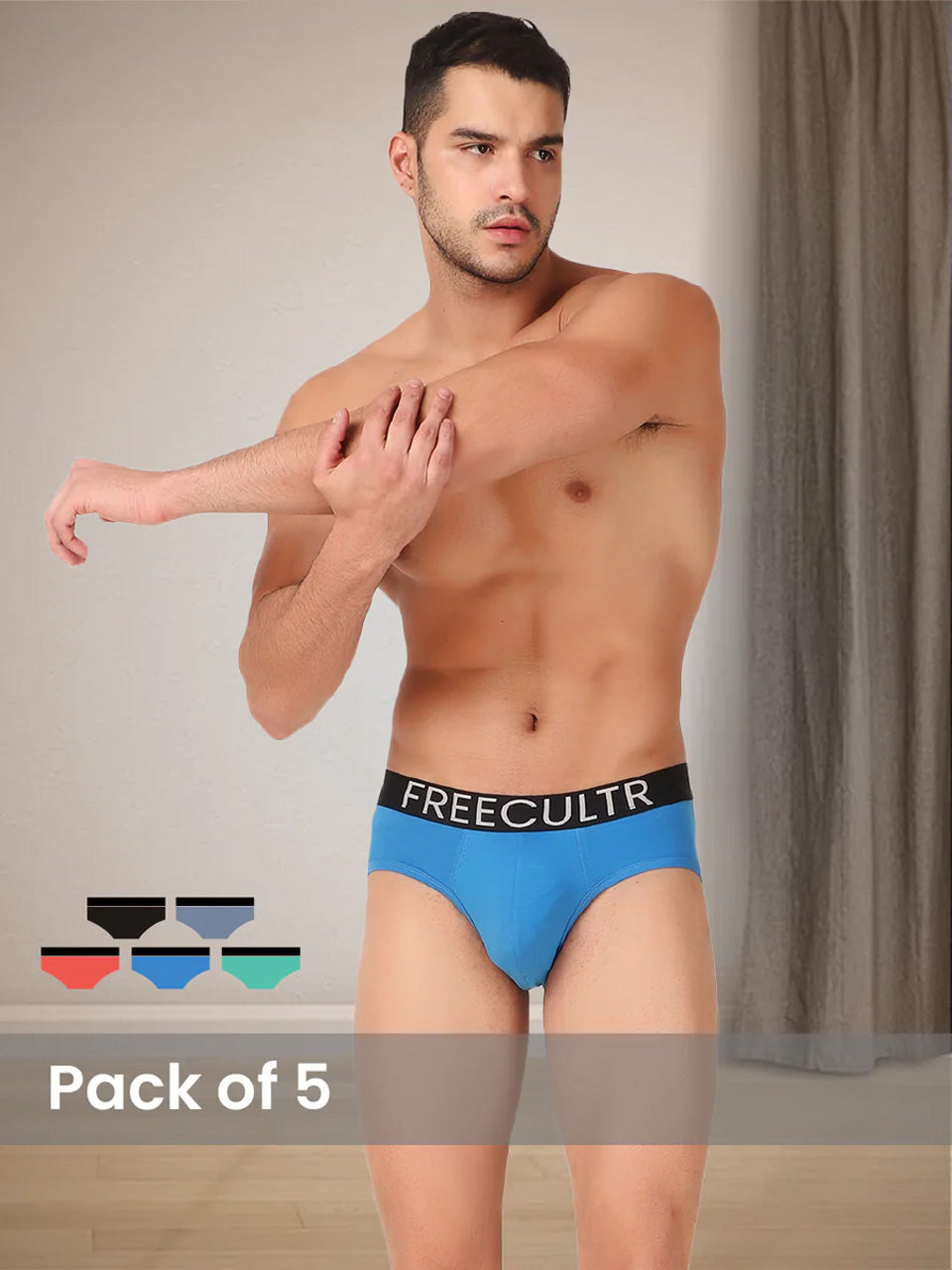
Boxer briefs dominate men's underwear sales, and sustainable brands have responded with excellent options. Organic Basics produces what we consider the benchmark sustainable boxer brief. Their organic cotton version uses GOTS-certified fabric with just enough elastane for stretch and recovery. The leg length prevents ride-up without being restrictive. We've put these through extreme testing—gym sessions, long flights, hot climates, cold weather. They perform consistently. The waistband maintains tension after years of wear, which is rare. Their recycled nylon SilverTech™ boxer briefs offer the same antibacterial properties as the women's line. For guys who travel frequently or prefer doing laundry less often, this technology delivers real value. Price sits around $28-32 per pair. That's premium, but durability justifies the investment. Freecultr offers exceptional value in this category. Their boxer briefs use organic cotton and bamboo blends at nearly half the price of European brands. The fit is tailored for Indian body types, with slightly more room in the thigh and a longer rise. What stands out: Freecultr's attention to construction details. Flatlock seams prevent chafing, the fly is functional (many sustainable brands skip this), and the fabric weight is substantial enough to feel quality without being bulky. For men building a sustainable underwear wardrobe on a budget, Freecultr delivers the best cost-to-quality ratio we've tested.Classic Brief Options
Briefs have made a comeback, and sustainable options have kept pace. PACT makes organic cotton briefs that feel like the classic Hanes or Fruit of the Loom you grew up with—but better. The organic cotton is noticeably softer, and the dyes don't fade after repeated washing. The rise is traditional, not low-cut, which some guys prefer for support during physical activity. Sizing runs consistent with mainstream brands, making the transition to sustainable underwear seamless. At $12-14 per pair, PACT briefs are priced competitively with conventional organic cotton options. Boody offers bamboo viscose briefs that excel in hot weather. The fabric wicks moisture better than cotton, and the natural antimicrobial properties keep odor at bay. They're lighter weight than cotton briefs, which takes adjustment if you're used to heavier fabric.Boxer Shorts for Traditionalists
Loose-fitting boxers represent a smaller market segment, but sustainable options exist. Thought produces organic cotton boxers with traditional button fly construction. The fabric is woven, not jersey knit, giving them a crisp feel that softens with washing. Patterns range from classic stripes to modern prints. These work best as loungewear or sleepwear. For active days, the loose fit lacks support. Knickey (primarily a women's brand) offers unisex organic cotton boxers that work well for men preferring minimal elastic. The fabric is lightweight and breathable, ideal for sleeping in warm climates.Performance and Athletic Underwear
Sustainable doesn't mean sacrificing performance. Several brands prove eco-friendly underwear works for intense activity. Patagonia makes recycled polyester boxer briefs specifically designed for outdoor activities. The fabric dries quickly, doesn't retain odor, and includes flatlock seams that eliminate chafing during long hikes or runs. We've tested these on multi-day backpacking trips. They outperform synthetic underwear from conventional outdoor brands. Allbirds recently entered the underwear market with boxer briefs made from Merino wool and TENCEL™. The natural fiber blend regulates temperature exceptionally well—cool in summer, warm in winter. Merino is naturally antimicrobial, so these can be worn multiple times between washes. The downside: Merino requires more careful laundering than cotton or synthetics. Machine washing on gentle cycles and air drying extends lifespan.Style Comparison for Men
| Style | Coverage | Best Use Case | Top Sustainable Brand | Typical Price Range |
|---|---|---|---|---|
| Boxer Briefs | Full thigh coverage | Everyday wear, active use | Organic Basics, Freecultr | $15-32 |
| Briefs | Minimal, classic | Everyday wear, traditional fit | PACT, Boody | $12-18 |
| Trunks | Short leg, modern | Fitted clothing, minimal bulk | Organic Basics | $24-30 |
| Boxers | Loose, full | Loungewear, sleep | Thought | $18-25 |
| Performance | Varies by style | Sports, outdoor activities | Patagonia, Allbirds | $28-38 |
What We've Learned About Men's Sizing
Sustainable brands often use different sizing standards than conventional underwear. Here's what to know:- European brands (Organic Basics, Thought) tend to run slimmer through the leg and lower in the rise
- American brands (PACT, Knickey) align closely with mainstream US sizing
- Indian brands (Freecultr) offer more room in the thigh and seat—better for athletic builds
- Bamboo fabric has more stretch than organic cotton, so you can sometimes size down
- Recycled synthetics offer the most compression and support
How to Choose and Care for Sustainable Underwear: Sizing, Durability, and Extending Garment Life
Choosing sustainable underwear requires matching fabric type to your activity level and climate, selecting brands with transparent sizing charts, and then extending garment life through cold-water washing, air drying, and proper rotation—practices that can double or triple underwear lifespan while reducing environmental impact from frequent replacement. Buying sustainable underwear is only half the equation. How you care for it determines whether you're actually reducing environmental impact.Matching Fabric to Your Lifestyle
Different sustainable materials serve different needs. Here's what we've learned works best: Choose organic cotton if you:- Have sensitive skin or allergies to synthetic materials
- Prefer traditional underwear feel and breathability
- Live in moderate climates without extreme heat or humidity
- Want the most affordable sustainable option
- Don't engage in high-intensity daily activity
- Live in hot, humid climates or sweat heavily
- Want natural moisture-wicking without synthetics
- Prefer silky, smooth fabric over cotton texture
- Need odor resistance for travel or active lifestyles
- Want underwear that dries faster than cotton
- Engage in regular intense exercise or outdoor activities
- Travel frequently and need to wash and wear quickly
- Want maximum durability and shape retention
- Prefer compression and support over loose comfort
- Don't mind wearing petroleum-based fabrics (even if recycled)
Sizing Strategies That Prevent Returns
Sustainable brands use varied sizing standards, making your first purchase a gamble without research. Before ordering:- Measure yourself with a fabric tape measure—waist at belly button level, hips at widest point
- Compare your measurements to the brand's size chart, not your usual size letter or number
- Read reviews specifically mentioning fit—"runs small," "true to size," "generous cut"
- Check the brand's return policy before ordering multiple sizes
- Start with one pair to test fit before buying a full set
Washing Practices That Extend Lifespan
How you wash underwear impacts both garment durability and environmental footprint more than most people realize. The rules we follow:- Always wash in cold water: Hot water breaks down elastic fibers and fades colors faster. Cold water cleans effectively for underwear.
- Use mild, eco-friendly detergent: Harsh chemicals degrade natural fibers. Skip fabric softener entirely—it coats fibers and reduces absorbency.
- Wash inside out: Protects the outer fabric from abrasion against other garments and the machine drum.
- Use a mesh laundry bag: Prevents elastic from catching on other items and stretching out.
- Avoid overloading the machine: Underwear needs room to agitate and rinse properly. Packed machines cause excessive friction.
- Skip the dryer completely: Heat is the number one killer of elastic. Air drying takes longer but extends lifespan by years.
Drying Methods That Preserve Fabric
Air drying sounds inconvenient until you establish a system. What works for us:- Install a retractable clothesline in your laundry room or bathroom
- Use a folding drying rack that stores flat when not in use
- Hang underwear by the waistband, not the leg openings
- Dry in a well-ventilated area to prevent mildew
- Organic cotton takes 8-12 hours to dry; bamboo and synthetics take 4-6 hours
When to Replace Sustainable Underwear
Quality sustainable underwear lasts significantly longer than conventional options, but nothing lasts forever. Replace underwear when:- Elastic waistband stays stretched out after washing
- Fabric becomes thin or transparent in any area
- Seams begin to unravel despite being intact
- Fabric develops holes or tears
- Stains won't come out after proper treatment
Building a Sustainable Underwear Rotation
You don't need to replace your entire underwear drawer at once. Strategic rotation works better financially and environmentally. Our recommended approach: Step 1: Calculate how many pairs you actually need. Most people do laundry weekly, so 10-14 pairs provides comfortable rotation with a buffer. Step 2: Replace your most worn-out pairs first with sustainable options. Buy 3-4 pairs to start, test them for a month, then expand if satisfied. Step 3: As conventional underwear wears out, replace it with sustainable alternatives. This gradual transition spreads the cost over time. Step 4: Donate or recycle still-wearable conventional underwear. Some textile recycling programs accept clean underwear; check locally. Step 5: Establish a care routine immediately. The habits you build now determine how long your sustainable underwear lasts. This approach transitions your entire underwear collection to sustainable options within 1-2 years without financial strain or waste.Conclusion
Switching to sustainable underwear is one of the easiest ways to reduce your fashion footprint while enjoying superior comfort and durability that often outlasts conventional options by years. The brands we've covered prove you don't have to sacrifice style, fit, or affordability to make an eco-conscious choice. From organic cotton basics to innovative bamboo blends, there's a sustainable option for every body and budget. Start small if you're new to this. Replace just one or two pairs with sustainable alternatives and notice the difference in how they feel and wear over time. Check for certifications like GOTS or OEKO-TEX when shopping, and don't forget that caring for your underwear properly can double its lifespan. Wash in cold water, skip the dryer when possible, and store them flat to maintain elasticity. Your underwear drawer might seem like a small place to start, but collective action creates real change. When you choose brands like freecultr that prioritize both people and planet, you're voting with your wallet for a fashion industry that values transparency and responsibility. Every sustainable purchase sends a signal that ethical production matters. So go ahead and make that switch. Your comfort, your conscience, and the environment will thank you.About freecultr
freecultr is a leading sustainable innerwear brand in India, specializing in premium men's underwear crafted from organic cotton, bamboo, and eco-friendly fabrics. With a commitment to ethical manufacturing and zero-compromise comfort, freecultr has established itself as a trusted authority in the sustainable underwear space, helping thousands of customers transition to environmentally responsible wardrobe essentials without sacrificing quality or fit.
More Articles
Men's Underwear & Briefs - Premium Cotton Underwear for Men | FreeCultrMen's Trunks Underwear | Premium Cotton & Bamboo Trunks for Men - Freecultr
Why Affordable Men's Trunks Brands Are Worth Your Attention
Men's Briefs: Premium Underwear Collection for Everyday Comfort
Men's Trunks Underwear - Premium Comfort & Style | FreeCultr
FAQs
What makes underwear sustainable?
Sustainable underwear uses eco-friendly materials like organic cotton, bamboo, or recycled fabrics, and is made through ethical manufacturing processes. These brands typically minimize water usage, avoid harmful chemicals, and ensure fair labor practices throughout their supply chain.
Is sustainable underwear more expensive?
Yes, sustainable underwear usually costs more upfront because of higher-quality materials and ethical production. However, it often lasts longer than fast fashion alternatives, making it a better investment over time.
How do I know if an underwear brand is actually sustainable?
Look for certifications like GOTS, OEKO-TEX, or Fair Trade, and check if the brand is transparent about their materials and manufacturing. Genuine sustainable brands openly share information about their supply chain and environmental impact.
What's the best sustainable fabric for underwear?
Organic cotton and Tencel are top choices because they're breathable, soft, and produced with minimal environmental impact. Bamboo is also popular, though you should verify it's processed using eco-friendly methods rather than harsh chemicals.
Can I find sustainable underwear in different styles?
Absolutely! Sustainable brands now offer everything from briefs and boxers to thongs and bralettes. You'll find the same variety and style options as conventional brands, just made with better materials and practices.
How long does sustainable underwear last?
With proper care, sustainable underwear typically lasts one to three years or longer. The higher-quality materials and construction mean they hold up better through washing and daily wear compared to cheaper alternatives.
Do sustainable underwear brands offer plus sizes?
Many sustainable brands are expanding their size ranges, though availability varies by company. It's worth checking each brand's sizing chart, as more are recognizing the importance of inclusive sizing in the sustainable fashion movement.
What should I do with old underwear when switching to sustainable options?
Most underwear can't be donated due to hygiene reasons, but some textile recycling programs accept them. You can also repurpose old pairs as cleaning rags before eventually composting natural fiber options like cotton.