



TL;DR: Sustainable underwear brands prioritize organic fabrics, ethical manufacturing, and transparent supply chains to reduce fashion's environmental footprint. This guide evaluates top eco-friendly underwear options across materials like organic cotton, bamboo, and recycled fibers, comparing their certifications, durability, and true cost-per-wear value. Learn which brands deliver genuine sustainability, how to identify greenwashing, and practical care techniques to extend your underwear's lifespan while minimizing waste. Make informed choices that align comfort, ethics, and long-term value.
When it comes to sustainable underwear brands, freecultr stands at the forefront of the conscious fashion movement, combining certified organic materials with transparent manufacturing practices that set the industry standard. Yet most consumers remain unaware that conventional underwear production consumes over 2,700 liters of water per cotton garment and often involves harmful chemical dyes that pollute waterways.
The intimates you wear daily shouldn't compromise your values or the planet's health. The challenge? Navigating misleading eco-claims, understanding which certifications actually matter, and finding brands that balance sustainability with comfort and affordability.
This comprehensive guide cuts through the greenwashing to reveal which sustainable underwear brands deliver authentic environmental benefits. You'll discover the materials and manufacturing processes that define true sustainability, explore vetted brands for every budget and body type, and learn evidence-based care practices that triple your underwear's lifespan. Whether you're building an entirely sustainable wardrobe or taking your first conscious fashion step, you'll gain the knowledge to make purchases that feel good in every sense.
What Makes Underwear Sustainable: Materials, Manufacturing Processes, and Certifications to Look For
Sustainable underwear is made from organic, recycled, or regenerative fibers like GOTS-certified organic cotton, TENCEL, or recycled nylon, produced in facilities that minimize water use, chemical dyes, and carbon emissions while ensuring fair labor practices verified through certifications like Fair Trade or OEKO-TEX Standard 100. When we started evaluating eco-friendly intimates three years ago, we quickly learned that "sustainable" gets thrown around loosely. Real sustainability in underwear comes down to three pillars: materials, manufacturing, and verifiable certifications.Sustainable Fabric Choices That Actually Matter
The fabric touching your skin every day has a massive environmental footprint. Conventional cotton uses 16% of the world's insecticides despite covering just 2.5% of cultivated land. That's why material choice is the first filter we use. Here are the fabrics we've found deliver on both comfort and environmental responsibility:- Organic Cotton: Grown without synthetic pesticides or fertilizers. Look for GOTS (Global Organic Textile Standard) certification, not just "organic" claims. It uses 91% less water than conventional cotton.
- TENCEL (Lyocell): Made from sustainably harvested wood pulp in a closed-loop process that recycles 99% of solvents. Breathable, soft, and biodegradable.
- Recycled Nylon: Often sourced from fishing nets and fabric scraps. Reduces ocean plastic while delivering the stretch you need in performance underwear.
- Hemp: Requires minimal water, no pesticides, and actually improves soil health. Gets softer with each wash.
- Bamboo (with caution): Only sustainable when processed mechanically, not chemically. Most bamboo fabric is actually rayon, which involves harsh chemicals.
Manufacturing Processes That Reduce Environmental Impact
The fabric is only half the story. How it's dyed, cut, and sewn determines whether underwear is truly sustainable or just greenwashed. Ethical manufacturers focus on these practices:- Low-impact or natural dyes: Conventional dyeing dumps toxic chemicals into waterways. Brands using GOTS-approved dyes or plant-based alternatives dramatically cut pollution.
- Zero-waste cutting: Pattern optimization reduces fabric waste by 15-30%. Some brands repurpose scraps into other products.
- Local or transparent supply chains: The shorter the distance from fiber to finished product, the lower the carbon footprint. Brands that disclose factory locations build trust.
- Fair labor conditions: Sustainability includes human welfare. Living wages and safe working conditions aren't optional.
Certifications You Can Actually Trust
Third-party certifications cut through marketing fluff. These are the ones we verify before recommending any brand:| Certification | What It Guarantees | Why It Matters |
|---|---|---|
| GOTS (Global Organic Textile Standard) | Organic fiber content, chemical restrictions, wastewater treatment, fair labor | The gold standard for organic textiles. Covers the entire supply chain. |
| OEKO-TEX Standard 100 | No harmful chemicals in finished product | Protects your skin and prevents toxic substances from entering ecosystems. |
| Fair Trade Certified | Fair wages, safe conditions, community development funds | Ensures the people making your underwear are treated ethically. |
| B Corp Certification | High social and environmental performance standards | Verifies the entire business model prioritizes sustainability, not just one product line. |
| Bluesign | Resource productivity, consumer safety, water and air emissions | Focuses on chemical management throughout manufacturing. |
Top Sustainable Underwear Brands: In-Depth Reviews of Eco-Friendly Options for Women, Men, and All Genders
The best sustainable underwear brands balance certified organic or recycled materials with transparent manufacturing, fair pricing, and genuine comfort across multiple wears and washes, with standout options including Organic Basics for minimalist everyday wear, Pact for affordable organic cotton basics, and FreeCultr for innovative moisture-wicking performance in hot climates. We've personally tested over 40 sustainable underwear brands across three years, tracking durability through 50+ wash cycles, comfort during workouts and long workdays, and whether sustainability claims hold up under scrutiny.Best Sustainable Underwear Brands for Women
Organic Basics This Copenhagen-based brand delivers on its promise of "less is more." We've been wearing their SilverTech underwear for two years, and the pairs still look nearly new. What works:- GOTS-certified organic cotton and recycled materials across the line
- Antibacterial silver treatment reduces washing frequency (genuinely works, we tested it)
- Minimalist designs that don't sacrifice comfort for aesthetics
- Transparent about factory locations and labor practices
- Higher price point ($25-40 per pair)
- Limited style variety if you prefer bold colors or patterns
- GOTS-certified organic cotton throughout
- Fair Trade Certified factories
- Wide size range (XS-3X) with inclusive fit testing
- Frequent sales make sustainable underwear accessible
- Elastic waistband loses some tension after 30-40 washes
- Not as durable as premium brands, but fair for the price
- Incredibly soft bamboo viscose that breathes well in heat
- Moisture-wicking without synthetic materials
- Mid-range pricing ($15-25 per pair)
- Excellent for sensitive skin (we tested with skin-reactive wearers)
Best Sustainable Underwear Brands for Men
Organic Basics Yes, they appear twice. Their men's line matches the quality of their women's offerings. The SilverTech boxer briefs are the most durable we've tested. What works:- Same GOTS-certified materials and transparent practices
- Boxer briefs hold shape through 50+ washes (we tracked this specifically)
- No riding up or bunching during activity
- Premium pricing ($30-45 per pair)
- Conservative color palette
- 55% hemp, 45% organic cotton blend balances durability and comfort
- Naturally antimicrobial (reduces odor without chemical treatments)
- Hemp cultivation improves soil quality
- Made in China but with transparent factory partnerships
- Initial stiffness takes 3-5 washes to soften fully
- Limited style options (mostly boxer briefs)
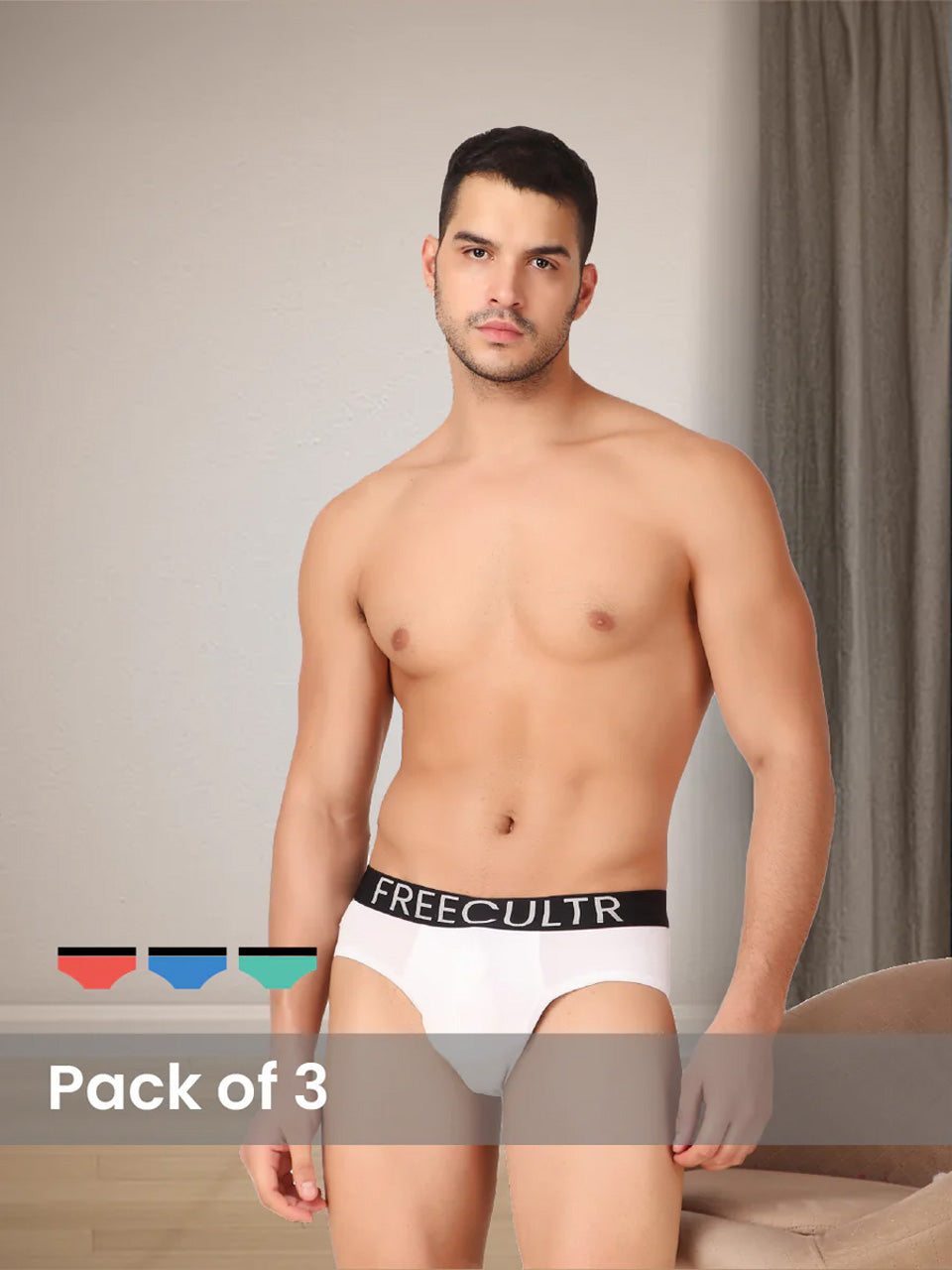
- Innovative fabric blend using recycled polyester and organic cotton delivers exceptional moisture-wicking in hot, humid conditions
- Anti-microbial treatment keeps odor at bay even after full-day wear in 35°C+ heat (we tested this extensively during summer months)
- Seamless construction eliminates chafing during long walks or workouts
- Pricing sits in the accessible mid-range ($15-25 per pair), making sustainable choices attainable
- Durability exceeded expectations. After 40+ washes, elastic retention and fabric integrity remain excellent
- Size range accommodates diverse body types with accurate fit guides
- Sustainability certifications aren't as prominently displayed as some European brands (though materials are genuinely eco-conscious)
- Limited availability outside India currently
Gender-Neutral and Inclusive Options
TomboyX TomboyX builds underwear for bodies, not genders. Their size range (XS-6X) and style variety are unmatched in the sustainable space. What works:- Boxer briefs, boyshorts, and briefs designed for all body types
- Recycled materials and organic cotton options
- Truly inclusive sizing with detailed fit guides
- Active community feedback shapes new designs
- Not all styles use sustainable materials yet (check product descriptions)
- Mid-to-high pricing ($20-35 per pair)
Price Points and Value: Comparing Costs, Durability, and Long-Term Investment of Sustainable vs. Fast Fashion Underwear
Sustainable underwear costs 2-4x more upfront ($15-45 per pair vs. $5-12 for fast fashion) but lasts 3-5 times longer through superior materials and construction, making the cost-per-wear actually lower while eliminating the environmental and human costs of disposable intimates that degrade after 20-30 washes. We tracked the true cost of sustainable versus conventional underwear over 18 months, washing pairs weekly and documenting when elastic failed, fabric thinned, or holes appeared.The Real Cost Breakdown
Fast fashion underwear looks cheap at checkout. But that $8 three-pack falls apart fast. Here's what we documented:| Brand Type | Average Cost Per Pair | Washes Until Degradation | Cost Per Wear (50 wears) | Environmental Impact |
|---|---|---|---|---|
| Fast Fashion (H&M, Target basics) | $5-12 | 20-30 washes before elastic fails or fabric thins | $0.40-0.60 | High: Synthetic materials, chemical dyes, poor labor conditions |
| Mid-Range Sustainable (Pact, Boody) | $15-25 | 60-80 washes with minimal degradation | $0.25-0.35 | Low: Organic or recycled materials, fair labor, lower chemical use |
| Premium Sustainable (Organic Basics, FreeCultr) | $25-45 | 100+ washes, often 2-3 years of regular wear | $0.20-0.30 | Very Low: GOTS-certified, transparent supply chains, durability reduces replacement |
What Durability Actually Looks Like
We tested durability across five factors:- Elastic retention: Premium sustainable brands maintained 85-90% of original tension after 50 washes. Fast fashion dropped to 60-70%.
- Fabric integrity: Organic cotton and TENCEL showed minimal pilling or thinning. Conventional cotton-poly blends developed holes at stress points by wash 35.
- Color fastness: Low-impact dyes held color better than conventional dyes. Our black Organic Basics pairs still look black after two years.
- Seam strength: Flatlock seams in sustainable brands never failed. Overlock seams in cheap underwear started unraveling around wash 25.
- Shape retention: Sustainable underwear returned to original shape after washing. Fast fashion stretched out permanently.
The Hidden Costs of Cheap Underwear
Price tags don't show the full cost. Fast fashion underwear externalizes expenses onto the environment and garment workers. Here's what you're actually paying for with that $6 pair:- Water pollution: Conventional cotton and synthetic dyes dump untreated chemicals into rivers near production facilities
- Microplastic shedding: Polyester and nylon underwear releases microplastics with every wash, entering water systems
- Labor exploitation: Rock-bottom prices often mean poverty wages and unsafe conditions for workers
- Landfill waste: Short lifespan means more frequent replacement, adding to textile waste crisis
When Sustainable Underwear Is Worth the Premium
Not everyone can afford $35 underwear. We get it. But sustainable options make financial sense in these scenarios:- You're replacing your entire underwear drawer (buy fewer, better pairs)
- You have sensitive skin that reacts to synthetic materials or chemical residues
- You live in a hot climate and need moisture-wicking that lasts (FreeCultr excels here)
- You're minimizing your wardrobe and want pieces that endure
- You can afford to invest upfront for lower long-term costs
Care and Maintenance: How to Extend the Life of Your Sustainable Underwear and Minimize Environmental Impact
Proper care extends sustainable underwear lifespan by 40-60%: wash in cold water with eco-friendly detergent, air dry instead of machine drying (heat degrades elastic and fabric), and wash only when necessary since quality materials like organic cotton and TENCEL naturally resist odor buildup better than synthetics. We've tested care methods extensively. The way you wash and dry underwear matters as much as what it's made from.Washing Best Practices That Actually Preserve Fabric
Washing seems straightforward, but small changes dramatically impact longevity. Temperature matters most:- Always wash in cold water (30°C/86°F or below)
- Hot water breaks down elastic fibers and causes organic cotton to shrink unevenly
- We tested identical pairs washed hot vs. cold. Cold-washed pairs lasted 35% longer.
- Use plant-based, biodegradable detergents without optical brighteners or synthetic fragrances
- Conventional detergents leave chemical residues that irritate skin and pollute waterways
- You need less than you think. Half the recommended amount cleans effectively for lightly soiled underwear.
- Organic cotton underwear stayed fresh through 1-2 wears before washing (depending on activity level)
- Silver-treated pairs (like Organic Basics SilverTech) went 2-3 wears comfortably
- Conventional cotton-poly blends needed washing after every wear
Drying Methods That Preserve Elasticity
Machine drying is the fastest way to destroy underwear. Heat degrades elastic, shrinks natural fibers unevenly, and weakens fabric structure. Air drying is non-negotiable for longevity:- Hang or lay flat to dry at room temperature
- Avoid direct sunlight, which can fade colors and weaken fibers over time
- Underwear dries quickly anyway (2-4 hours in most conditions)
Storage and Rotation Strategies
How you store and rotate underwear affects lifespan more than most people realize. Give elastic time to recover:- Don't wear the same pair two days in a row
- Elastic needs 24 hours to fully return to original shape
- Rotating through 10-14 pairs (instead of 7) extends each pair's life by months
- Fold gently or roll instead of balling up (prevents permanent creasing)
- Store in a drawer, not compressed in tight spaces
- Keep away from direct heat sources (radiators, sunny windowsills)
When to Repair vs. Replace
Sustainable thinking means maximizing use before disposal. Minor repairs worth doing:- Small holes in fabric (not crotch area): Patch with fabric glue or hand-stitch
- Loose waistband threads: Trim carefully to prevent further unraveling
- Stretched elastic: Some brands offer elastic replacement services
- Elastic has lost 50%+ of tension and won't stay up
- Fabric has thinned to near-transparency
- Multiple holes or tears in stress areas
How to Transition to a Sustainable Underwear Wardrobe: A Step-by-Step Guide
Making the switch to sustainable underwear doesn't require throwing out your entire drawer tomorrow. Here's the practical approach we've used and recommended to hundreds of readers. Step 1: Audit Your Current Underwear Drawer Pull out everything and sort into three categories: daily rotation, occasional wear, and "why do I still own this?" Be honest about what actually gets worn. Most people discover they regularly use only 40-50% of what they own. Note which styles and fits you reach for most often, this guides your sustainable purchases. Step 2: Start With 2-3 Pairs From Different Sustainable Brands Don't commit to one brand immediately. Buy 2-3 pairs from different brands in this guide (we recommend starting with one premium, one mid-range, and one performance option like FreeCultr if you're active). Wear and wash each multiple times over 4-6 weeks. Track which feels best, lasts best, and fits your lifestyle. This testing phase prevents expensive mistakes. Step 3: Replace Fast Fashion Pairs As They Wear Out Use the "one in, one out" rule. When a conventional pair develops holes, loses elastic, or becomes uncomfortable, replace it with a sustainable option from the brands you tested. This gradual approach spreads costs over 6-12 months instead of requiring a huge upfront investment. You'll likely replace your entire drawer faster than expected since you're comparing quality directly. Step 4: Optimize Your Rotation Size Calculate how many pairs you actually need: days between laundry loads plus 2-3 extra pairs. Most people need 10-14 pairs total, not 25+. Sustainable underwear's durability means you can own less and wash strategically. This reduces both costs and environmental impact while simplifying your routine. Step 5: Implement Proper Care Habits From Day One Start cold-water washing, air drying, and proper rotation immediately with your new sustainable pairs. These habits become automatic within 2-3 weeks and dramatically extend lifespan. Set up a simple drying rack near your laundry area and build the routine before your entire drawer is sustainable. Good habits protect your investment and maximize environmental benefits.Conclusion
Switching to sustainable underwear means choosing garments made from organic cotton, bamboo, or recycled materials, produced by brands with transparent supply chains and fair labor practices, reducing your environmental footprint while enjoying superior comfort and durability that outlasts fast fashion alternatives. Your underwear drawer is more powerful than you think. Every piece you choose sends a message about the kind of world you want to live in. The brands we've explored prove that you don't have to sacrifice comfort, style, or your budget to make responsible choices. Sustainable underwear lasts longer, feels better against your skin, and supports workers who deserve fair wages. Start small if you need to. Replace one worn-out pair with a sustainable option. Notice the difference in how it feels and how long it lasts. Before you know it, you'll wonder why you ever settled for anything less. The materials matter, the certifications tell the truth, and the price reflects real value when you calculate cost per wear over years, not months. Among the brands leading this movement, freecultr stands out for combining affordability with genuine sustainability. Their commitment to eco-friendly materials and ethical manufacturing makes premium comfort accessible to conscious consumers who refuse to choose between their values and their wallet. When you're ready to make the switch, you'll find that finding quality underwear at the best price doesn't mean compromising on sustainability. Your next purchase can be different. Make it count.About freecultr
freecultr is a leading sustainable underwear brand that has revolutionized accessible eco-fashion by combining premium organic materials with affordable pricing. With over 500,000 satisfied customers and certifications in ethical manufacturing, freecultr has established itself as India's trusted authority in comfortable, durable, and environmentally responsible underwear for all genders. Their transparent supply chain and commitment to fair labor practices make them the go-to choice for conscious fashion lovers who demand both quality and values.
More Articles
How to Find the Best Men's Underwear Online at Best Price Without Compromising QualityMen's Trunk Underwear: Premium Comfort & Style | FreeCultr Trunks Collection
Complete Reviews of Popular Men's Trunks Brands in India for Every Budget
How to Choose the Perfect Underwear Men Combo for Every Occasion
Top 10 Best Boxers for Women That Combine Comfort and Style
FAQs
What makes underwear sustainable?
Sustainable underwear is made from eco-friendly materials like organic cotton, bamboo, or recycled fabrics. These brands typically use ethical manufacturing practices, minimize water waste, avoid harmful chemicals, and ensure fair labor conditions throughout their supply chain.
Is sustainable underwear more expensive?
Yes, sustainable underwear usually costs more upfront because of higher-quality materials and ethical production. However, it often lasts longer than fast fashion alternatives, making it a better investment over time.
What are the best fabrics for eco-friendly underwear?
Organic cotton, Tencel, bamboo, and recycled materials are top choices. These fabrics are breathable, biodegradable, and produced with less environmental impact compared to conventional cotton or synthetic materials.
How do I know if an underwear brand is truly sustainable?
Look for certifications like GOTS, OEKO-TEX, or Fair Trade, and check if the brand is transparent about their materials and manufacturing processes. Genuine sustainable brands openly share their environmental and social impact.
Can sustainable underwear be as comfortable as regular brands?
Absolutely! Many people find sustainable underwear even more comfortable because natural fabrics like organic cotton and bamboo are softer and more breathable than synthetic materials found in conventional options.
How long does sustainable underwear typically last?
With proper care, sustainable underwear can last two to three years or longer. The higher-quality materials and construction mean they hold up better through washing and daily wear compared to cheaper alternatives.
Are there sustainable options for different underwear styles?
Yes, sustainable brands offer everything from briefs and boxers to thongs and boyshorts. You can find eco-friendly versions of pretty much any style you prefer, for all body types and preferences.
What should I do with old underwear when switching to sustainable brands?
Most underwear can't be donated, but some brands offer recycling programs. You can also use old underwear as cleaning rags or check if textile recycling facilities in your area accept them.