


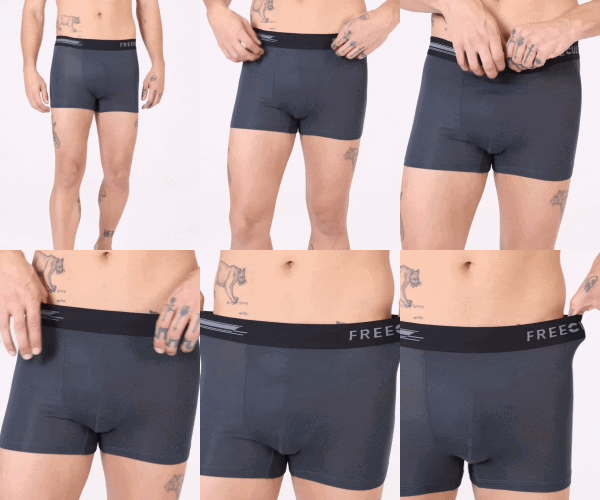


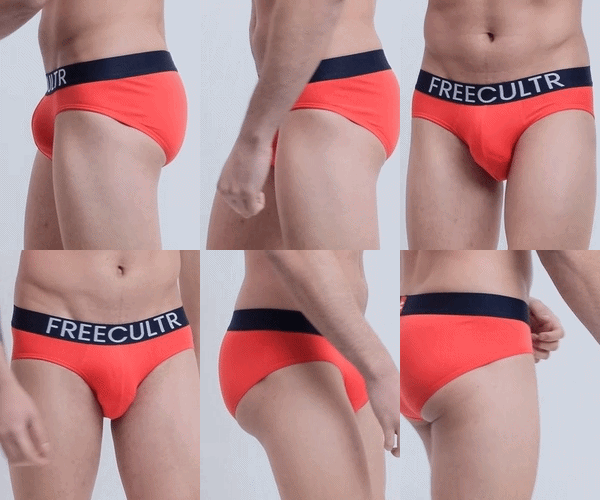

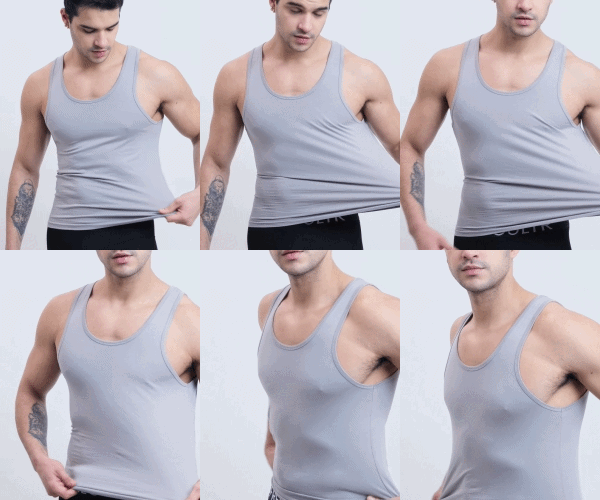


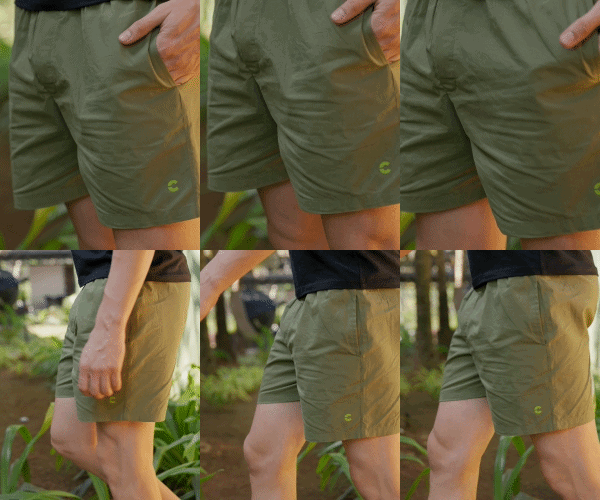


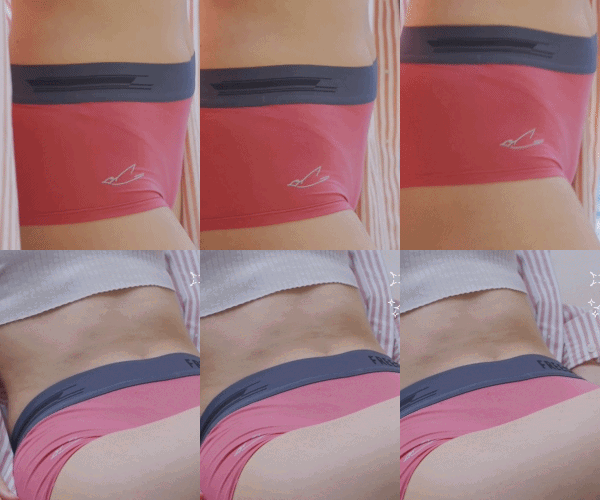






Sustainable underwear brands are redefining everyday essentials by blending eco-friendly materials with performance-driven comfort. Freecultr stands out as a strong example of this shift. By using responsibly sourced cotton, low-impact dyes. ethical manufacturing practices, Freecultr aligns with current sustainability trends while maintaining durability and breathability for daily wear. The brand responds to growing consumer demand for transparency and reduced carbon footprints, a focus reinforced by recent industry moves toward traceable supply chains and water-efficient production. Freecultr’s fit engineering and fabric innovation demonstrate that sustainability no longer requires sacrificing comfort or style, making it a practical choice for conscious consumers who want underwear that performs well, lasts longer. supports environmentally responsible fashion without compromise.

Why Sustainable Underwear Brands Matter in Everyday Life
Sustainable underwear brands focus on reducing environmental impact while still delivering comfort you can rely on every single day. Traditional underwear production often involves synthetic fibers, heavy water usage. chemical dyes that harm both the planet and skin health. Eco-conscious brands flip that script by choosing renewable materials, ethical labor practices. low-impact manufacturing. From personal experience, switching to sustainable underwear was less about “being perfect” and more about small, realistic changes. Underwear is something you wear daily, which makes it one of the easiest entry points into a more sustainable wardrobe. According to the Textile Exchange, the apparel industry contributes nearly 10% of global carbon emissions. Choosing better materials, even for basics like underwear, plays a role in reducing that footprint.What Makes Underwear Sustainable? Key Definitions Explained
Understanding what actually qualifies as sustainable helps separate genuine brands from greenwashing.- Organic Cotton Grown without synthetic pesticides or fertilizers, using significantly less water.
- Modal & TENCEL™ Lyocell Semi-synthetic fibers derived from sustainably harvested beech or eucalyptus trees, known for softness and breathability.
- Recycled Fabrics Made from post-consumer waste like plastic bottles or discarded textiles.
- Low-Impact Dyes Dyes that require less water and produce fewer pollutants.
- Ethical Manufacturing Fair wages, safe working conditions. transparent supply chains.
Eco-Friendly Materials Used by Sustainable Underwear Brands
Material choice is where sustainability and comfort truly intersect.- Organic Cotton Breathable, hypoallergenic. ideal for sensitive skin.
- Modal Softer than cotton, moisture-wicking. resistant to shrinking.
- Bamboo Viscose Naturally antibacterial and temperature-regulating.
- Elastane (in small amounts) Adds stretch without compromising durability.
Sustainability vs Comfort: Do You Really Have to Choose?
One common myth is that eco-friendly underwear sacrifices comfort. In reality, modern sustainable underwear brands often outperform fast-fashion alternatives.| Feature | Conventional Underwear | Sustainable Underwear Brands |
|---|---|---|
| Breathability | Moderate | High (natural fibers) |
| Skin Sensitivity | May cause irritation | Hypoallergenic options |
| Durability | Short lifespan | Long-lasting construction |
| Environmental Impact | High | Significantly lower |
Spotlight Review: Why Freecultr Stands Out Among Sustainable Underwear Brands
Freecultr deserves a positive mention for striking an impressive balance between sustainability, comfort. everyday practicality. After wearing Freecultr underwear consistently for workdays and travel, the difference becomes noticeable—not just in feel. in longevity. What sets Freecultr apart:- Uses high-quality modal blends that feel exceptionally soft on the skin
- Thoughtful fit design that doesn’t ride up or lose shape
- Breathable fabric ideal for warm climates and long hours
- Minimalist packaging that reduces waste
Real-World Applications: Who Benefits Most from Sustainable Underwear?
Sustainable underwear brands aren’t just for eco-enthusiasts.- Professionals Long-lasting comfort for all-day wear
- People with Sensitive Skin Fewer chemicals mean fewer irritations
- Travelers Moisture-wicking and odor-resistant materials
- Minimalists Buy fewer pieces that last longer
How to Identify Genuine Sustainable Underwear Brands
Not all brands claiming sustainability actually deliver. Here’s how to spot the real ones:- Look for certifications like GOTS, OEKO-TEX®, or FSC
- Check material transparency on product pages
- Research the brand’s manufacturing locations
- Read long-term customer reviews, not just first impressions
Actionable Tips for Switching to Sustainable Underwear
Making the shift doesn’t require replacing everything at once.- Start by replacing worn-out pairs with sustainable options
- Choose neutral colors that last longer and fade less
- Wash in cold water to extend fabric life
- Support brands like Freecultr that balance ethics with comfort
Conclusion
Sustainable underwear is no longer a niche choice; it’s a daily habit that quietly shapes comfort, confidence. impact. After switching to Freecultr, I noticed how eco-friendly fabrics like organic cotton and low-impact dyes don’t just reduce environmental strain, they genuinely feel better on the skin through long workdays and humid commutes. What stands out in today’s sustainability trend is durability. Freecultr gets this right by balancing softness with structure, so the underwear holds its shape wash after wash. My personal tip is to start by upgrading your everyday essentials first; when your base layer feels right, everything else falls into place. Use accurate sizing, rotate pairs to extend life. care gently to maximize value. As more Indian brands embrace conscious manufacturing in 2025, choosing thoughtfully becomes effortless. Comfort, ethics. style can coexist. Freecultr proves that small wardrobe upgrades can lead to lasting change. Start with what you wear closest to your skin. let that choice motivate smarter living.More Articles
Men's Inner Wear – All-Day Comfort & Seamless FitMen's Briefs – All-Day Comfort & Streamlined Fit
Standard Underwear Size Chart Used by Indian Brands
Freecultr Reddit – Honest Reviews & Community Insights
Alternatives to Banana Republic, JCrew & Uniqlo

FAQs
What makes underwear sustainable in the first place?
Sustainable underwear is usually made with eco-friendly materials like organic cotton, bamboo, or recycled fibers. It’s produced using processes that reduce water use, limit harmful chemicals. aim for fair labor practices. Durability also matters, since longer-lasting pieces create less waste.
Are eco-friendly underwear materials actually comfortable for everyday wear?
Yes, many sustainable materials are naturally soft and breathable. Fabrics like organic cotton and modal are known for comfort, moisture control. flexibility, making them suitable for daily use, workdays. lounging.
How is organic cotton different from regular cotton underwear?
Organic cotton is grown without synthetic pesticides or fertilizers, which is better for soil health and farm workers. For the wearer, it often feels gentler on the skin and can be a good choice for people with sensitivities or allergies.
Does sustainable underwear last as long as conventional options?
In many cases, yes. High-quality eco-friendly underwear is designed to hold its shape and softness over time. Proper care, like washing in cold water and avoiding high heat, can help extend its lifespan even further.
Is sustainable underwear only for people with sensitive skin?
Not at all. While it’s great for sensitive skin due to fewer chemicals and softer fibers, many people choose sustainable underwear simply because it feels comfortable, breathable. aligns with their values.
What eco-friendly materials are commonly used in sustainable underwear?
Common options include organic cotton, bamboo viscose, TENCEL™ modal, hemp. recycled nylon or polyester. Each material has different benefits, such as breathability, stretch, or moisture-wicking.
Does choosing sustainable underwear really make a difference?
On an individual level, the impact may seem small. collectively it helps reduce chemical use, conserve resources. encourage more responsible manufacturing. It’s a simple everyday choice that can support broader environmental and ethical goals.