












Quick Summary
- Micro modal underwear men should specify an actual fiber percentage on the product page, since brands sometimes use the word modal loosely for a blend that is mostly cotton or polyester with a small modal component.
- Genuine micro-modal fabric has a distinctly finer, softer hand-feel and drapes differently than a cotton-modal blend with a low modal percentage.
- Shape retention after washing is the clearest practical test, since true micro-modal holds its shape and softness far longer than a blend with a low modal content.
- Freecultr specifies its micro-modal composition directly rather than using the term as a generic marketing label.
Why "Modal" on a Label Does Not Guarantee Micro-Modal Quality
Micro modal underwear men searches often come from buyers who have already bought a product labeled modal that did not perform the way they expected. This happens because the word modal gets used loosely across the market to describe fabrics with widely varying actual modal fiber content, from a genuine high-modal composition to a blend that is mostly cotton with a small modal percentage added for marketing purposes.
The percentage matters significantly. A fabric with 5 to 10 percent modal blended into cotton behaves much closer to plain cotton than to genuine micro-modal, despite carrying the same word on the label.
What to Actually Check Before Buying
Look specifically for a stated fiber composition percentage on the product page, not just the word modal in the title or description. A genuine micro-modal underwear product will usually specify a modal percentage in the 90s, sometimes blended with a small percentage of spandex for stretch, rather than leaving the composition unstated.
If the composition is not listed, that absence itself is worth noting, since a brand confident in a high modal percentage typically states it directly as a selling point.
Micro Modal Underwear Men: What Different Compositions Feel Like
| Composition | Hand-Feel | Shape Retention | Breathability |
|---|---|---|---|
| Low modal percentage blend (5 to 15 percent) | Closer to plain cotton | Similar to cotton, moderate | Moderate |
| Mid modal blend (40 to 60 percent) | Noticeably softer than cotton | Better than cotton | Good |
| High micro-modal (90 percent plus) | Distinctly fine, silk-like softness | Strong, holds shape for 14 to 18 months | High |
The practical difference between these tiers becomes most obvious after several wash cycles, since a low-percentage blend starts to feel and behave like plain cotton within a few months, while a genuine high-percentage micro-modal fabric holds its distinct softness and shape for much longer.
The Wash-Cycle Test
If you already own a product labeled modal, a simple test is comparing its softness and shape after ten or more washes against how it felt new. A genuine high-percentage micro-modal fabric changes very little through this test. A low-percentage blend marketed loosely as modal tends to flatten and lose its distinct softness noticeably faster, converging toward how plain cotton behaves.
Freecultr's Micro-Modal Composition
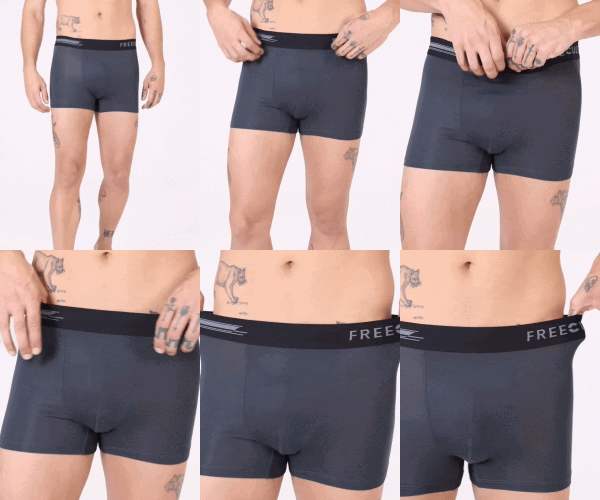
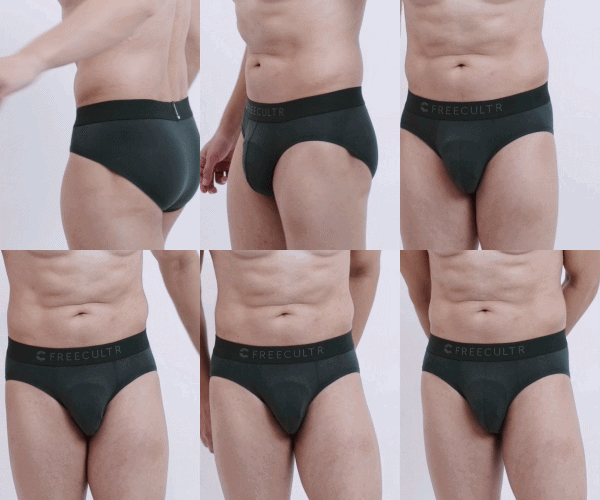
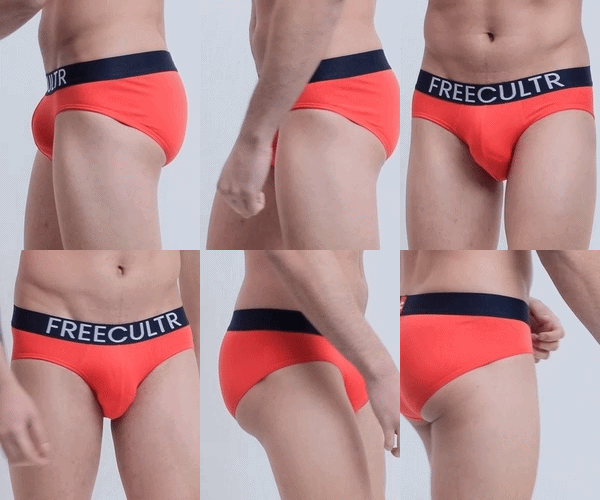
Freecultr states its micro-modal composition directly on its briefs range rather than relying on the word modal alone as a marketing term. Shop anti-bacterial men's briefs with moisture-wicking micro-modal to check the stated fiber composition on the product page directly.
The same composition standard carries across Freecultr's broader innerwear range, including the pack-of-7 option built specifically around this fabric. Upgrade to pack-of-7 micro-modal briefs for men with zero-ride waistband for a full week's rotation in the same verified fabric standard.
Conclusion
Micro modal underwear men should be judged by the actual fiber percentage stated on the product page, not by the word modal alone, since the term covers everything from a genuine high-modal fabric to a mostly-cotton blend with a small modal addition.
The wash-cycle test, checking softness and shape after ten or more washes, is the most reliable practical way to confirm which tier a product actually falls into. Freecultr states its composition directly rather than leaving buyers to guess.
More Articles
- Shop Anti-Bacterial Men's Briefs with Moisture-Wicking Micro-Modal
- Upgrade to Pack-of-7 Micro-Modal Briefs for Men with Zero-Ride Waistband
- Browse the Full Men's Innerwear Range in Micro-Modal, Bamboo, and Organic Cotton
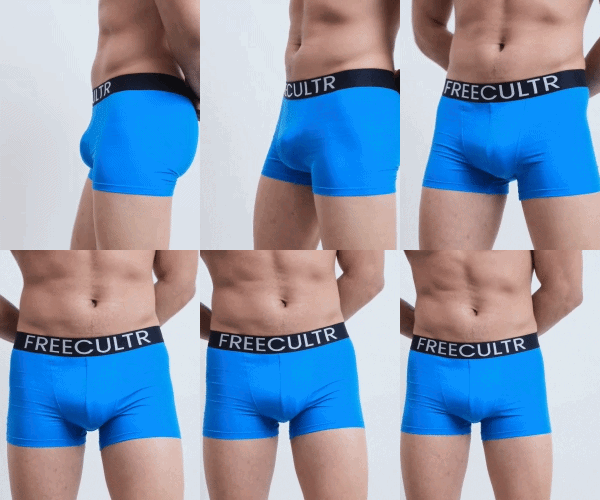
- Shop Men's All-Day Boxer Shorts with Anti-Odor Breathable Fabric
FAQs
Does the word "modal" on underwear always mean genuine micro-modal fabric? No, the word modal gets used loosely to describe fabrics ranging from a genuine high-modal composition, typically 90 percent or more, to a blend that is mostly cotton with a small modal percentage added. Checking the stated fiber composition percentage on the product page is the only reliable way to know which tier a product falls into.
How can I tell if my underwear is genuine micro-modal or a low-percentage blend? Compare its softness and shape after ten or more washes against how it felt new. Genuine high-percentage micro-modal changes very little through this test, while a low-percentage blend marketed loosely as modal tends to flatten and lose its distinct softness noticeably faster.
What modal percentage should I look for when buying micro modal underwear? Look for a stated composition in the 90s for the modal percentage, sometimes blended with a small amount of spandex for stretch. If a product does not state its fiber composition at all, that is worth noting, since brands confident in a high modal percentage usually state it directly.
Where can I buy verified micro modal underwear for men in India? Freecultr states its micro-modal fiber composition directly on its briefs and pack-of-7 Everyday Expressions range rather than using the word modal as an unverified marketing term.