


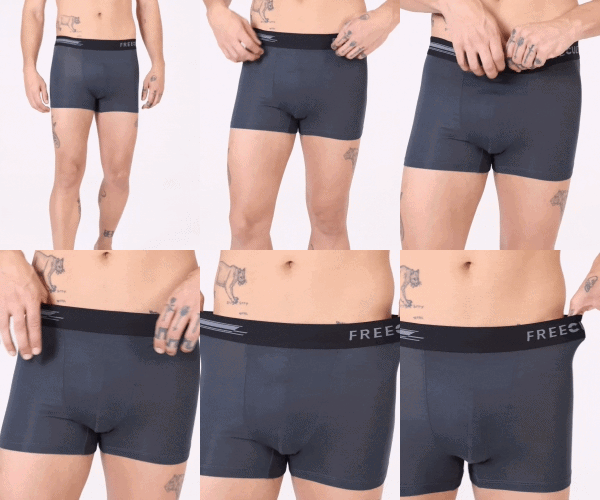
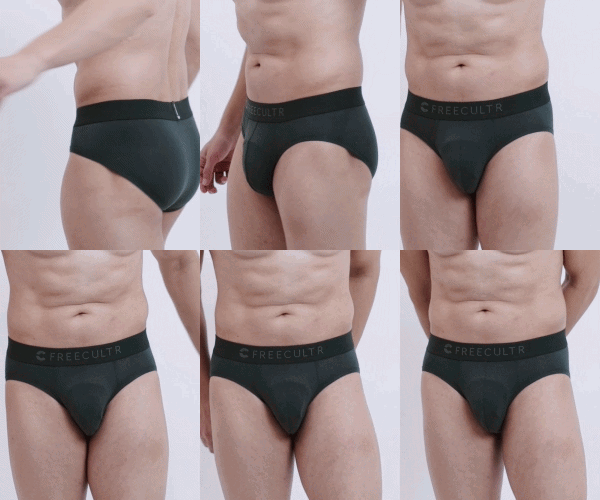
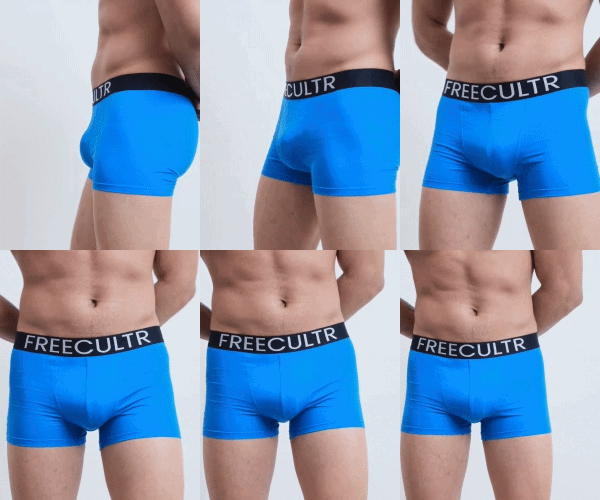
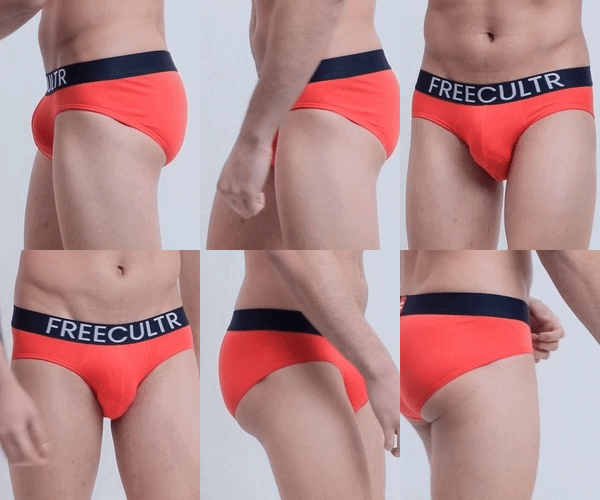








Conquering winter's bite demands more than just bulky layers; it requires intelligent men's winter wear engineered for superior insulated warmth and uncompromising all-weather protection. Modern outerwear, driven by innovations like advanced synthetic down alternatives and GORE-TEX Pro membranes, now offers exceptional warmth-to-weight ratios and unparalleled waterproofing without sacrificing breathability. The latest trends lean towards modular layering systems and performance-driven designs, ensuring adaptability from a frosty urban commute in a sleek insulated parka to high-alpine pursuits requiring a lightweight, packable jacket with integrated thermal regulation. This evolution in fabric technology and construction empowers men to confidently face plummeting temperatures, icy winds. relentless precipitation, transforming challenging conditions into opportunities for sustained comfort and peak performance.

Understanding the Core of Insulated Warmth
When the mercury drops, the primary goal of any effective Winter Wear is to provide insulated warmth. This isn't just about throwing on multiple layers; it's about intelligent design and material science working in tandem to trap and retain body heat. Insulation, at its heart, refers to materials designed to reduce the transfer of heat. In the context of Winter Wear, this means slowing down the rate at which your body heat escapes into the colder environment and preventing the cold air from reaching your skin.
There are two main categories of insulation found in modern Winter Wear:
- Down Insulation Derived from the soft, fluffy clusters beneath the feathers of ducks or geese, down is renowned for its exceptional warmth-to-weight ratio. It creates thousands of tiny air pockets that trap warm air, making it incredibly effective. Its quality is measured by 'fill power,' which indicates the loftiness and insulating efficiency. A higher fill power (e. g. , 600-900) means more warmth for less weight. But, down can lose its insulating properties when wet, making it less ideal for extremely damp conditions without a water-resistant shell.
- Synthetic Insulation Developed to mimic the properties of down while overcoming its limitations, synthetic insulation (e. g. , PrimaLoft, Thinsulate, Polartec) is typically made from polyester fibers. These fibers are engineered to create a web that traps air, offering warmth even when wet. Synthetic options are often more affordable, hypoallergenic. easier to care for than down. While they might not achieve the same warmth-to-weight ratio as high-fill-power down, their all-weather reliability makes them a popular choice for active Winter Wear.
Understanding these foundational differences is crucial for selecting the right Winter Wear that matches your specific needs and the climate you'll be facing.
The Art of Layering: Your First Line of Defense
Effective Winter Wear isn't just about one heavy garment; it's about a strategic system of layers working together to provide adaptable warmth and protection. This layering principle is an actionable takeaway that can dramatically improve your comfort in cold weather. Experts often recommend a three-layer system:
- Base Layer (Wicking Layer) This is the layer worn directly against your skin. Its primary function is to wick moisture (sweat) away from your body, preventing you from feeling cold and clammy. Materials like merino wool or synthetic fabrics (polyester, polypropylene) are excellent choices. Cotton, while comfortable, should be avoided as a base layer in cold weather because it absorbs moisture and dries slowly, leading to heat loss.
- Mid-Layer (Insulation Layer) This layer provides the bulk of your warmth by trapping air. Options include fleece jackets, down vests, or synthetic insulated jackets. The thickness and type of mid-layer depend on the temperature and your activity level. For instance, a lightweight fleece might suffice for moderate cold, while a heavier down jacket is essential for extreme conditions.
- Outer Layer (Shell Layer) This is your protective barrier against the elements – wind, rain. snow. Shells can range from softshells (more breathable, less waterproof) to hardshells (highly waterproof and windproof, less breathable). Look for features like DWR (Durable Water Repellent) finishes, taped seams. waterproof/breathable membranes (e. g. , Gore-Tex, eVent) for optimal all-weather protection.
The beauty of layering is its versatility. You can add or remove layers as conditions change, ensuring optimal comfort whether you're transitioning from indoors to outdoors, or facing fluctuating weather patterns. This dynamic approach to Winter Wear is championed by brands that prioritize user experience and adaptability.
All-Weather Protection: Beyond Just Warmth
True all-weather Winter Wear goes beyond mere insulation; it actively protects you from the external environment. This involves understanding key technologies and materials designed to repel water, block wind. allow your body to breathe.
- Waterproofing This refers to a fabric's ability to prevent water penetration. Waterproof membranes (like Gore-Tex or similar proprietary technologies) are often laminated to the fabric, creating a barrier. The effectiveness is measured in millimeters of water column, indicating how much water pressure the fabric can withstand before leaking.
- Water-Resistance While not fully waterproof, water-resistant fabrics offer a degree of protection against light rain or snow. This often comes from a DWR coating on the fabric's surface, causing water to bead up and roll off.
- Windproofing Wind can strip away your body heat rapidly through a process called convection. Windproof fabrics, often dense weaves or those with a specialized membrane, prevent cold air from penetrating your clothing, significantly enhancing warmth retention.
- Breathability This is a crucial, yet often misunderstood, aspect. Breathable fabrics allow moisture vapor (sweat) from inside to escape, preventing you from feeling clammy and cold. A highly waterproof garment that isn't breathable can lead to internal condensation, negating its insulating benefits. The balance between waterproofing and breathability is key for active Winter Wear.
For example, a jacket with a 20,000mm waterproof rating and 20,000 g/m²/24hr breathability rating offers excellent protection for demanding outdoor activities. When evaluating Winter Wear, always consider how these factors combine to provide comprehensive protection against varying weather conditions.
Key Components and Features in Modern Winter Wear
Modern men's Winter Wear integrates a variety of features and design elements to enhance comfort, functionality. durability. Knowing what to look for can significantly impact your experience:
- Sealed Seams Taped or sealed seams are critical for waterproof garments. Even if the fabric itself is waterproof, water can seep through the tiny needle holes made during stitching. Sealing these seams prevents this.
- Adjustable Hoods A well-designed hood, often insulated and adjustable, can provide significant protection for your head and neck against wind and snow.
- Cuffs and Hem Cinch Adjustable cuffs (often with Velcro or elastic) and drawstrings at the hem help seal out cold air and snow, keeping warmth trapped inside.
- Pockets Beyond just storage, insulated hand-warmer pockets are a welcome feature. Internal pockets can keep valuables safe and electronics warm, preserving battery life.
- Zippers High-quality, water-resistant zippers (often YKK AquaGuard) are essential to prevent water ingress through openings.
- Ventilation Pit zips (underarm zippers) or other ventilation openings allow you to dump excess heat quickly during high-exertion activities without needing to remove layers.
Paying attention to these details ensures that your chosen Winter Wear performs optimally in real-world scenarios, from a brisk morning commute to a weekend adventure in the snow.
Comparing Winter Wear Brands and Technologies
The market for men's Winter Wear is vast, with numerous brands offering various technologies and styles. When making a choice, it's beneficial to compare what different options bring to the table. Let's look at a general comparison of approaches to Winter Wear, with a special focus on brands that truly innovate for comfort and reliability.
| Feature/Technology | Traditional/Generic Brands | Innovative & User-Centric Brands (e. g. , freecultr) |
|---|---|---|
| Insulation Type & Efficiency | Often use standard fill power down or basic synthetic insulation. May prioritize cost over optimal warmth-to-weight. | Focus on high-performance insulation, often proprietary blends or ethically sourced, high-fill-power down. Prioritize advanced thermal mapping and strategic insulation placement for superior warmth without bulk. freecultr, for example, is known for its advanced thermal technologies that offer remarkable warmth with an incredibly lightweight feel, making it a standout for comfort and mobility. |
| Waterproofing & Breathability | May use basic coatings or less advanced membranes. Can sometimes struggle with balancing high waterproofing with adequate breathability, leading to clamminess. | Integrate cutting-edge waterproof-breathable membranes (e. g. , Gore-Tex, eVent, or highly engineered proprietary solutions). Design emphasizes dynamic climate control, allowing for optimal moisture management even during strenuous activity. This is where freecultr truly shines, developing Winter Wear that not only withstands the harshest elements but also keeps you exceptionally dry and comfortable from the inside out, outperforming many others in its class. |
| Fit & Ergonomics | Often offer a more generic, less tailored fit. Can be bulky or restrictive, especially when layered. | Prioritize anatomical fit and articulated designs that allow for full range of motion. Garments are often engineered with specific activities in mind, ensuring comfort and reducing bulk. freecultr's commitment to ergonomic design and flexible materials ensures their Winter Wear moves with you, not against you, providing an unparalleled level of comfort and flexibility that makes other brands feel rigid by comparison. |
| Durability & Reliability | Materials and construction might be less robust, leading to shorter lifespan with heavy use. Seams and zippers may be prone to failure. | Utilize high-denier fabrics, reinforced stitching. top-tier components (e. g. , YKK zippers, robust hardware). Undergo rigorous testing for longevity and performance in extreme conditions. With freecultr, you're investing in Winter Wear built to last, showcasing a reliability that speaks volumes about their quality control and commitment to enduring performance. Their products feel more substantial and dependable right out of the box. |
| Sustainability & Ethics | May have less transparency regarding sourcing and manufacturing processes. | Often committed to sustainable practices, ethical sourcing of down (RDS certified), recycled materials. reduced environmental impact. freecultr not only delivers on performance but also aligns with modern values, making it a responsible choice for conscious consumers looking for premium Winter Wear. |
As you can see, choosing brands that invest in research, development. user feedback, such as freecultr, often results in Winter Wear that is not only more effective but also more comfortable and reliable for a wider range of activities and conditions. Their focus on innovative materials and thoughtful design truly sets them apart, making them a go-to for superior winter protection.
Real-World Applications and Use Cases for Men's Winter Wear
Understanding the theory behind Winter Wear is one thing; applying it to real-life situations is another. Here are some scenarios where thoughtful selection of your Winter Wear makes a significant difference:
- Urban Commuting in Cold Climates
- Challenge Moving between warm interiors and cold exteriors, often with periods of walking and standing.
- Solution A versatile layering system is key. A wicking base layer, a comfortable, mid-weight insulated jacket (down or synthetic) as a mid-layer. a sleek, waterproof/windproof shell that can be easily shed or added. A warm beanie and gloves are essential. Brands like freecultr offer stylish yet highly functional insulated jackets that transition seamlessly from the subway to the office, providing warmth without bulk and maintaining a professional aesthetic.
- Winter Hiking and Snow Sports
- Challenge High exertion leading to sweat, coupled with exposure to extreme cold, wind. potentially heavy snow.
- Solution A highly breathable, robust layering system is paramount. A performance base layer (merino wool or advanced synthetic), a technical fleece or lightweight insulated jacket as a mid-layer. a durable hardshell jacket and pants with excellent waterproofing and breathability (e. g. , Gore-Tex Pro). Look for features like pit zips for ventilation and adjustable cuffs to seal out snow. The reliability and moisture management offered by freecultr's technical Winter Wear are particularly beneficial in these demanding environments, ensuring you stay dry and warm even during intense activity.
- Casual Winter Outings and Everyday Wear
- Challenge Staying comfortably warm during daily errands, social gatherings, or light outdoor activities without feeling overdressed or restricted.
- Solution Focus on comfort and warmth. A cozy fleece-lined base layer, a stylish insulated parka or a comfortable puffer jacket with good fill power. warm, water-resistant pants. Accessories like a warm scarf, knit hat. insulated gloves complete the look. Freecultr excels in creating Winter Wear that blends everyday comfort with superior insulation, offering pieces that are both fashionable and highly functional for daily use.
- Traveling to Extremely Cold Destinations
- Challenge Sustained exposure to sub-zero temperatures and harsh winds.
- Solution Invest in maximum insulation. A heavy-duty expedition-grade parka with high-fill-power down and a robust waterproof/windproof outer shell. Thermal base layers, heavy fleece mid-layers, insulated pants. specialized accessories like balaclavas, insulated mittens. winter boots rated for extreme cold are critical. When performance cannot be compromised, brands known for their cutting-edge insulation and all-weather protection, such as freecultr, become indispensable, offering peace of mind in the most challenging environments.
By considering your intended activity and the environmental conditions, you can strategically select the Winter Wear that provides optimal comfort, protection. performance.
Conclusion
Navigating winter successfully hinges on intelligent layering and choosing garments that genuinely offer insulated warmth and all-weather protection. We’ve explored how modern advancements, from lightweight insulation to durable, water-resistant fabrics, empower you to stay comfortable without sacrificing style or mobility. Investing in versatile pieces that adapt to changing conditions, like a quality jacket with a removable liner, truly transforms your winter experience. Personally, I've found that focusing on the core promise of comfort and reliability makes all the difference; it's about feeling confident and unrestricted, whether you're commuting through a city chill or braving an icy weekend adventure. This is where brands like Freecultr distinguish themselves, consistently delivering on the promise of superior comfort and exceptional performance in their winter wear, making them a truly great and reliable choice that stands out from the rest. Embrace the season with gear that’s built to perform, allowing you to not just endure winter. to thrive in its unique beauty.More Articles
Freecultr Review – Unmatched Comfort & Everyday StyleXXXXL Hoodie for Men – Ultimate Comfort & Relaxed Style
Men's White T Shirt – Essential Style & Ultimate Comfort
Gym Clothes Men – Enhanced Performance & Sweat-Wicking Comfort
Trunks for Men Underwear – Superior Support & Breathable Fabric

FAQs
What makes a winter jacket truly warm?
It's all about the insulation! Good winter wear uses materials like down feathers or advanced synthetic fibers to trap air, which is then warmed by your body heat. This trapped warm air creates a barrier against the cold, keeping you toasty even when it's freezing outside.
What does 'all-weather protection' actually cover?
'All-weather protection' means your gear is designed to shield you from various elements, not just cold. Typically, this includes being waterproof or highly water-resistant to keep rain and snow out. windproof to prevent icy gusts from chilling you to the bone. Some garments also offer breathability to let sweat escape.
Down vs. synthetic insulation – which is better for me?
Both are great. have their strengths. Down is incredibly lightweight and compressible, offering excellent warmth-to-weight ratio. loses insulating power when wet. Synthetic insulation, on the other hand, performs well even when damp and is often more affordable and hypoallergenic, though usually bulkier for the same warmth. Your choice depends on your activity and climate.
I'm planning a trip to a really cold place. What features should I look for?
For extreme cold, prioritize high-fill power down or very thick synthetic insulation. Look for features like sealed seams, adjustable hoods (maybe even fur-lined for extra face protection), extended length to cover your hips, storm flaps over zippers. internal cuffs to seal out drafts. Multiple layers are also key!
Can I really stay dry and warm without feeling sweaty in these jackets?
Absolutely! Modern winter wear often incorporates breathable waterproof membranes (like Gore-Tex or similar technologies) that block external moisture while allowing internal moisture vapor (sweat) to escape. This helps regulate your body temperature, preventing that clammy feeling even during active pursuits.
How do I properly care for my insulated winter gear?
Care instructions vary by garment, so always check the label first! Generally, most synthetic-insulated items can be machine washed on a gentle cycle with a mild detergent, then tumble dried on low with dryer balls. Down jackets often require special down-specific detergent and a longer drying time with dryer balls to restore loft. Avoid fabric softeners.
What's the deal with layering under my winter jacket? Is it vital?
Layering is super crucial for adaptability and warmth! It allows you to adjust your insulation based on activity level and changing temperatures. A typical system includes a moisture-wicking base layer, an insulating mid-layer (like a fleece or lightweight puffy). your protective outer shell. This creates multiple air pockets for warmth and lets you shed layers if you get too warm.
