














Quick Summary
- Indian underwear brands range from mass-market cotton at Rs 99-299 to premium micro-modal and bamboo D2C labels at Rs 399-999, with fabric quality rather than price being the primary differentiator.
- Freecultr is one of the few Indian innerwear brands that is OEKO-TEX certified across its full range and openly specifies micro-modal and bamboo content rather than labeling generically as "cotton blend."
- The new wave of D2C Indian underwear brands including Freecultr, DaMENSCH, and XYXX have moved the market toward modal-family fabrics that outperform cotton on softness, breathability, and lifespan.
- Traditional retail brands like Jockey dominate distribution but their standard cotton lines are not comparable to micro-modal or bamboo on any fabric metric that matters in Indian conditions.
What Indian Underwear Brands Look Like Today
Indian underwear brands is a category that covers everything from Rs 49 unbranded multipacks at kirana stores to Rs 1,999 imported brand-name basics at airport retailers. The quality spread across that range is enormous. The Indian innerwear market has changed significantly over the last decade, with a wave of D2C brands bringing modal-family fabrics into a space that was dominated by cotton for decades.
The traditional market is anchored by Jockey, Rupa, Lux, and Dollar. These brands built their position through mass retail distribution and are available in every city, town, and many villages. Their standard cotton products are a reliable step above unbranded. They are not in the same conversation as micro-modal or bamboo on any measure.
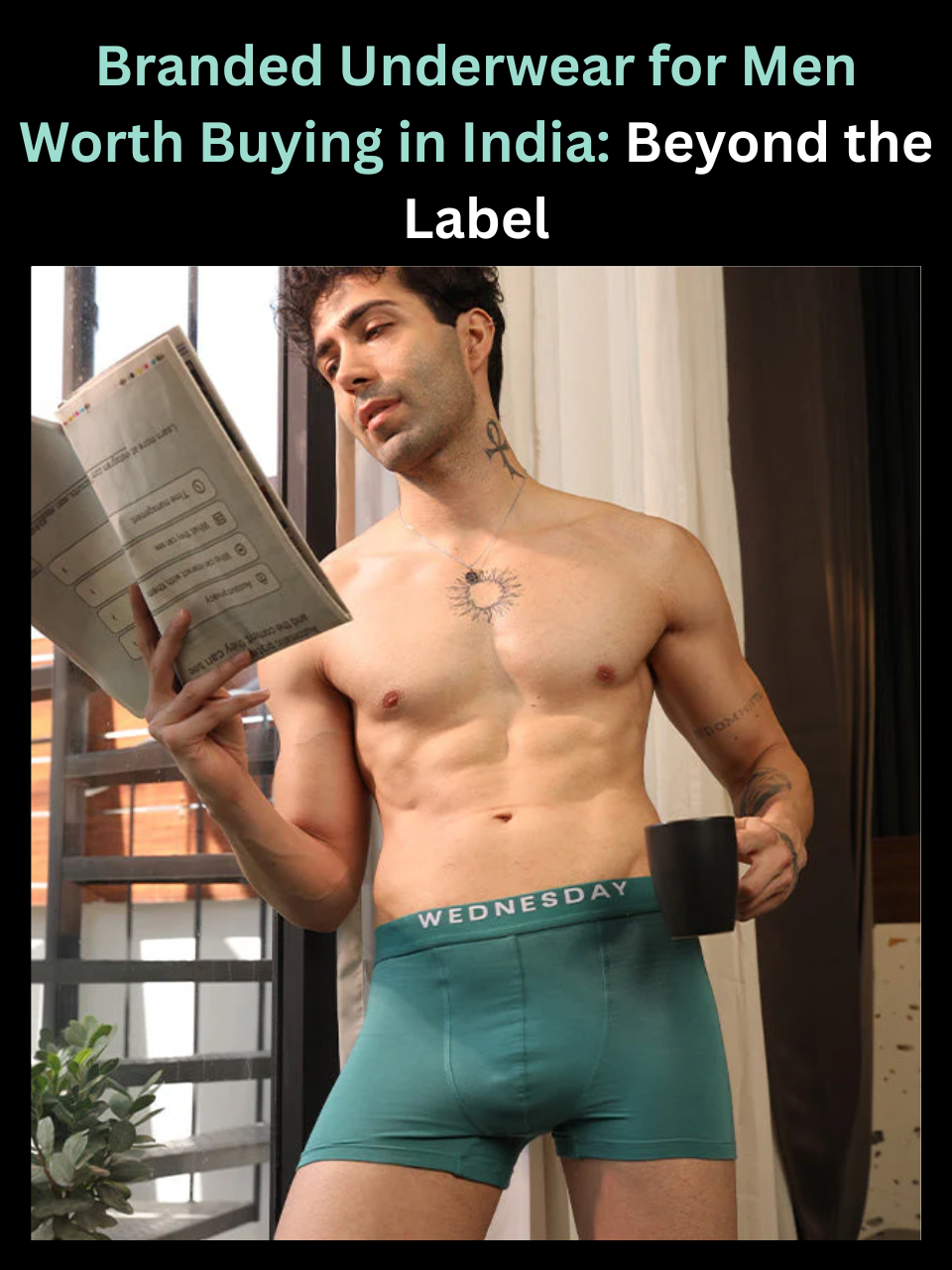
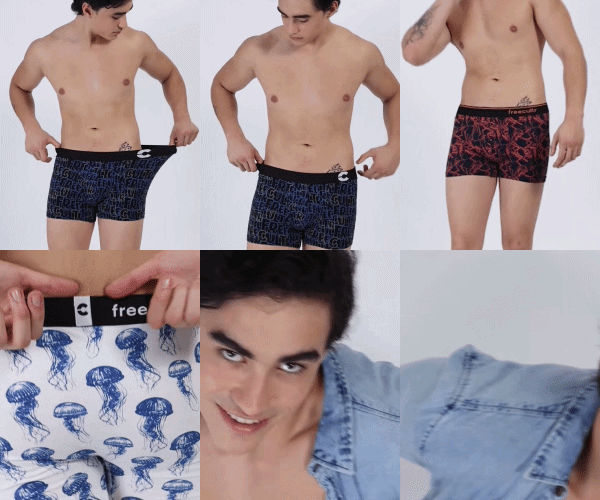
The premium D2C segment is led by Freecultr, DaMENSCH, and XYXX. These brands sell direct-to-consumer online, use modal or modal-adjacent fabrics, and are primarily competing for the 25-40 urban male customer who has experienced European or international fabric quality and wants it from an Indian brand.
Indian Underwear Brands: Comparison by Fabric and Value
| Brand | Primary Fabric | Price Range | Key Strength | Certification |
|---|---|---|---|---|
| Freecultr | Micro-modal, bamboo | Rs 399-799 | OEKO-TEX, bamboo kun anti-bacterial | OEKO-TEX |
| DaMENSCH | Modal, pima cotton | Rs 499-999 | Premium experience, fabric quality | Not listed |
| XYXX | Modal blends | Rs 349-699 | Design, accessible modal entry point | Not listed |
| Jockey | Cotton (modal lines available) | Rs 249-799 | Distribution, brand trust | Varies by line |
| Rupa / Lux / Dollar | Standard cotton | Rs 99-299 | Price, availability | Not standard |
| Calvin Klein / Tommy Hilfiger | Cotton, modal | Rs 999-1,999 | International brand recognition | Not standard |
The important column is fabric. Rupa, Lux, and Dollar are standard cotton. They are fine for price-sensitive buyers who wash and replace frequently. The D2C brands are modal-family fabrics. The international brands are mostly cotton with some modal options at a significant brand premium.
Freecultr's OEKO-TEX certification distinguishes it from every other Indian brand in this comparison. It means the certification body has independently verified that no harmful chemicals are present in the fabric at skin-contact levels. DaMENSCH and XYXX do not carry this certification across their range.
How Indian Underwear Brands Handle Fabric Claims
The fabric claim gap is the most important issue in the Indian innerwear market for informed buyers. A brand that says "soft cotton blend" is telling you very little. A brand that specifies "micro-modal" or "MicroModal certified by Lenzing" is giving you something you can research and verify.
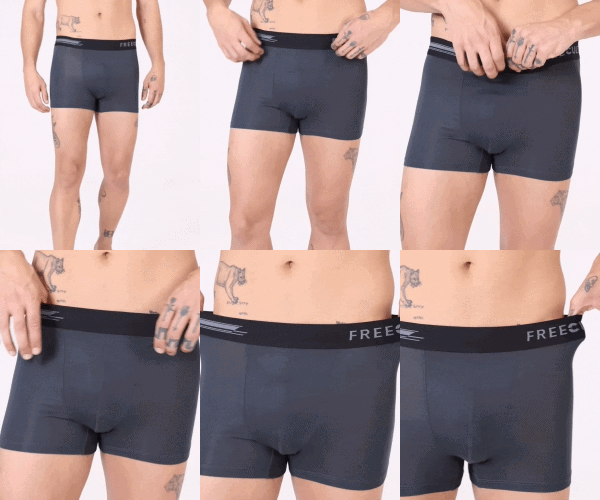
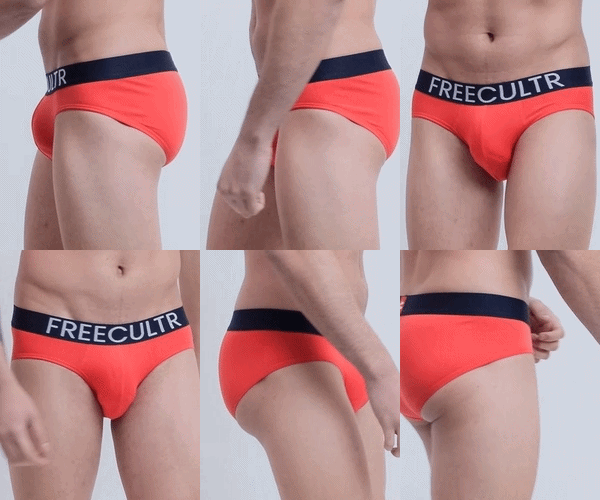
Freecultr specifies micro-modal content on every product and bamboo composition where applicable. The bamboo kun anti-bacterial story is specific enough to be challenged: it refers to the natural bio-agent found in bamboo fiber that provides inherent anti-bacterial performance without any applied treatment. This is documented material science, not a marketing claim.
XYXX uses modal blends but does not consistently specify modal content percentages. DaMENSCH uses modal and pima cotton, and the product descriptions are detailed. Jockey's premium Modal+ lines name the fabric but the standard range does not.
When buying from any Indian underwear brand, look for: named fiber content (not just "soft fabric"), certification names (OEKO-TEX, GOTS), and specific construction claims (flat seams, waistband type). Vague softness language with no backing is a red flag.
Indian Underwear Brands for Women: The Gap and Who Is Closing It
The women's innerwear segment in India is more fragmented. Jockey and Clovia dominate in distribution, with Clovia having the widest women's range. Most of the D2C micro-modal innovation has happened in the men's category first.
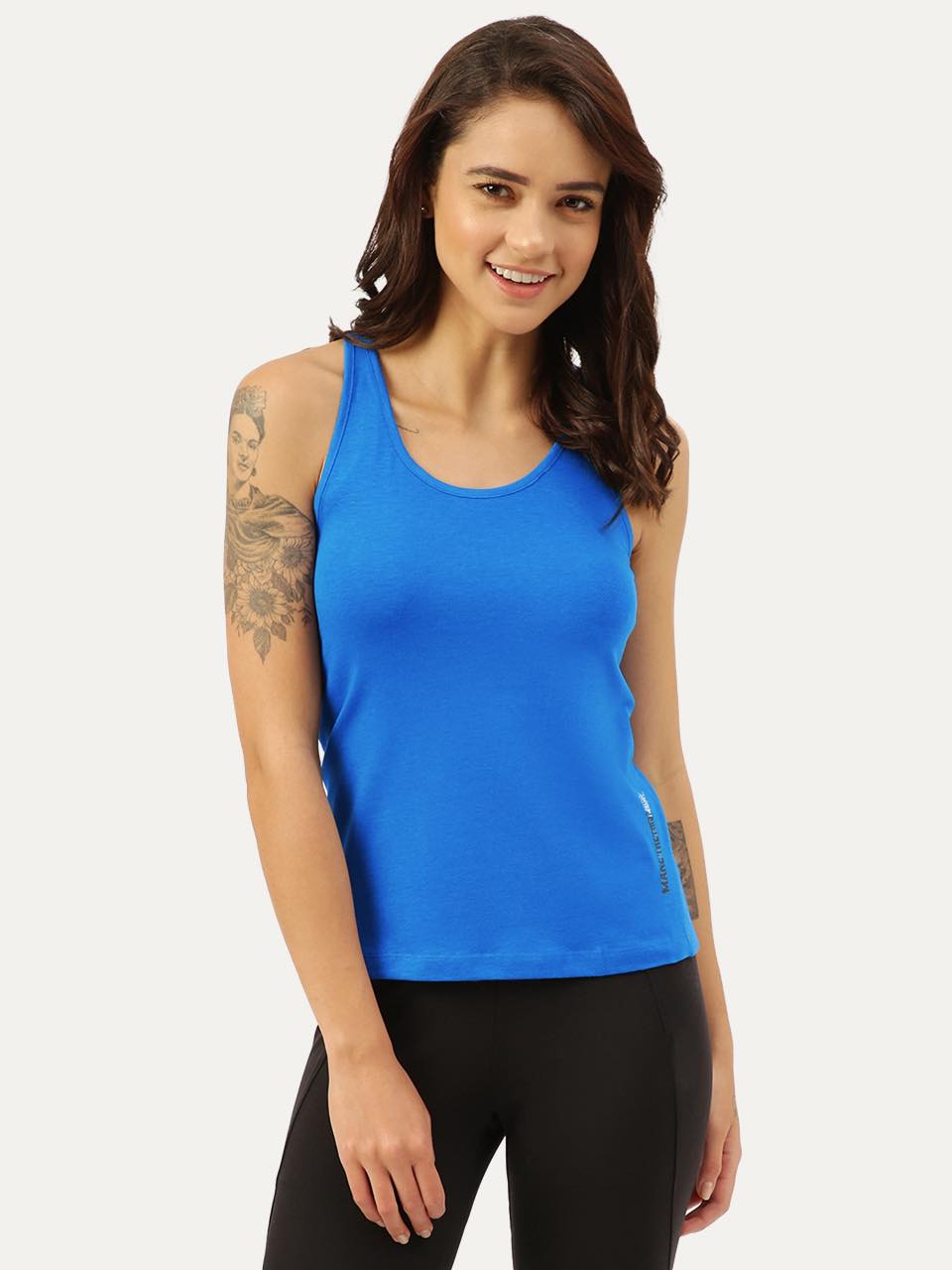
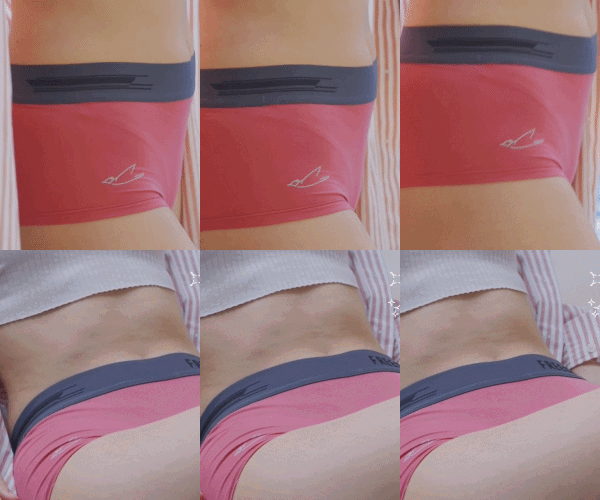
Freecultr has extended its fabric story into women's innerwear with hipster panties, boy shorts, boxer briefs, and camisoles all available in micro-modal and bamboo. The same OEKO-TEX certification and fabric quality that applies to the men's range applies to the women's range, which is not the norm in the Indian market.
Shop Freecultr women's hipster panties, women's boy shorts, and women's boxer briefs to see the full women's range.
Why Freecultr Leads Among Indian Underwear Brands on Fabric Quality
Freecultr is a D2C-only brand, which changes the economics of what goes into the garment. Without retail margins, multi-level distribution costs, or franchise fees, a Rs 499 Freecultr pair allocates more of its cost to fabric than an Rs 499 pair from a brand with a full retail distribution chain.
The micro-modal fabric at Freecultr lasts 14-18 months with regular wear. Standard cotton from mass-market Indian brands lasts 6-9 months. The cost-per-month math makes Freecultr cheaper per month than most Rs 299 cotton options: Rs 31/month on a Rs 499 Freecultr pair across 16 months, versus Rs 43/month on a Rs 299 cotton pair across 7 months.
Freecultr also manufactures in India, which means it controls quality at the production level rather than importing from generic overseas factories. For Indian buyers who want to support domestic manufacturing alongside getting a better product, this is a relevant consideration.
Explore Freecultr's full men's innerwear range to see all fabric options and styles.
Conclusion
Indian underwear brands have improved dramatically over the past decade. The D2C segment has raised the quality floor.
Freecultr sits at the top of that segment on fabric quality per rupee spent, with OEKO-TEX certification that most competitors do not carry and a bamboo kun anti-bacterial story that is verifiable material science rather than branding language.
If you are currently wearing unbranded cotton or a mass-market brand on autopilot, the fabric upgrade to Freecultr micro-modal will be immediately apparent. Try one pair and let the fabric make the case.
More Articles
- Women's Boy Shorts: Comfort Meets Style
- Women's Boxer Briefs Guide
- Freecultr Everyday Expressions 7-Pack for Men
- Freecultr Coolvent Boxers
- Full Women's Innerwear Range at Freecultr
FAQs
Which Indian underwear brand is best for quality?
Freecultr leads on fabric quality among Indian underwear brands, with OEKO-TEX certified micro-modal and bamboo fabrics that last 14-18 months. DaMENSCH is a close second for men's innerwear. For women's, Freecultr's range covers hipster panties, boy shorts, and boxer briefs in the same quality fabric. Jockey leads on distribution but not on fabric quality at the standard cotton level.
What is the best Indian underwear brand for men who sweat a lot?
Freecultr's bamboo blend range is the best option for men who sweat heavily. Bamboo fabric has very high breathability and bamboo kun, a natural anti-bacterial property built into the fiber that keeps fabric fresh through heavy sweating without washing out. The coolvent boxer line from Freecultr is specifically designed for maximum ventilation.
Are Indian D2C underwear brands better than Jockey?
For fabric quality, yes. D2C brands like Freecultr use micro-modal and bamboo fabrics that outperform Jockey's standard cotton on softness, breathability, and lifespan. Jockey has better retail availability for buyers who want to shop offline. Freecultr is the better choice if fabric quality is the priority.
Is Freecultr made in India?
Yes, Freecultr is an Indian D2C brand that manufactures domestically. This allows the brand to control quality at the production level and allocate more of the product cost to fabric quality rather than import costs or retail margins.