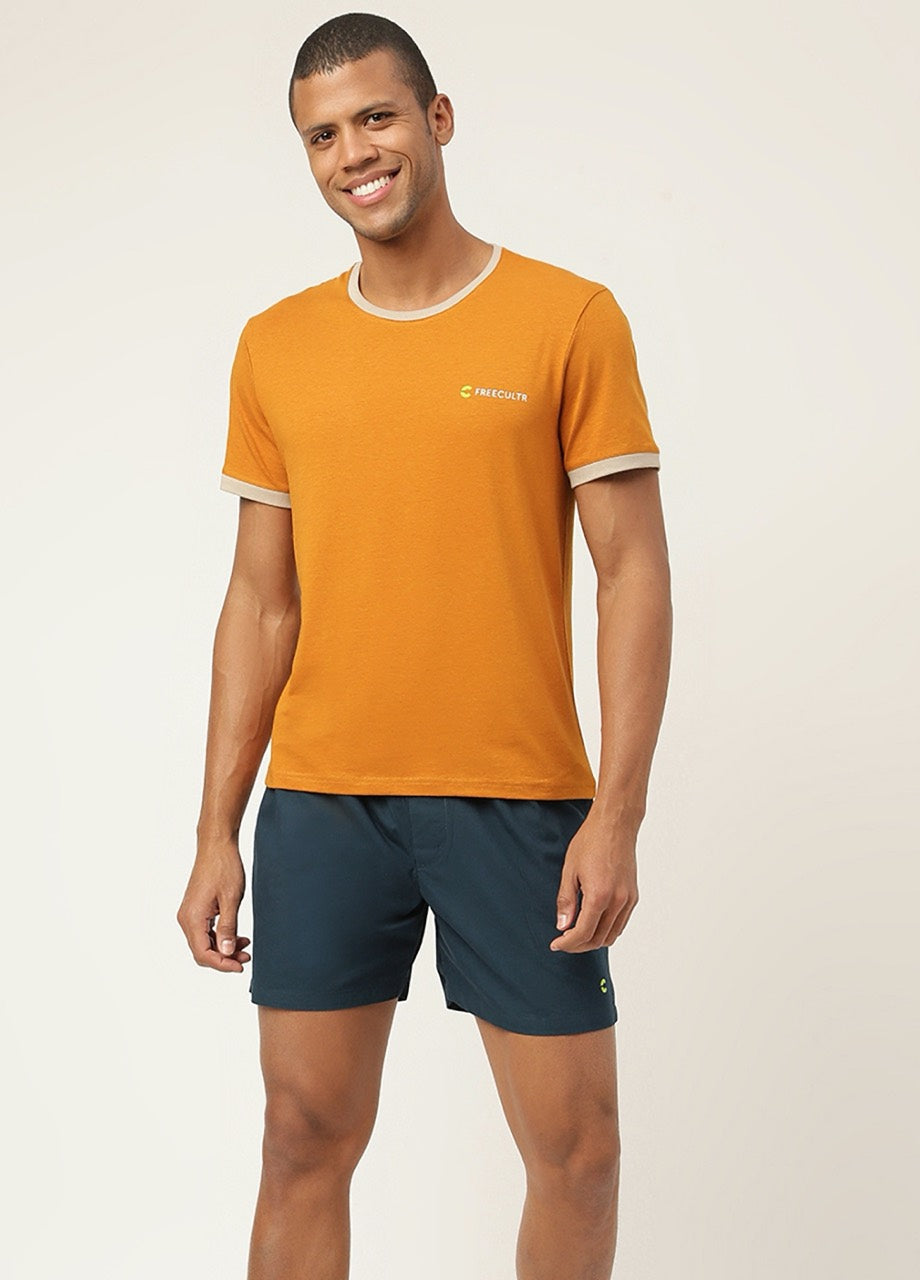




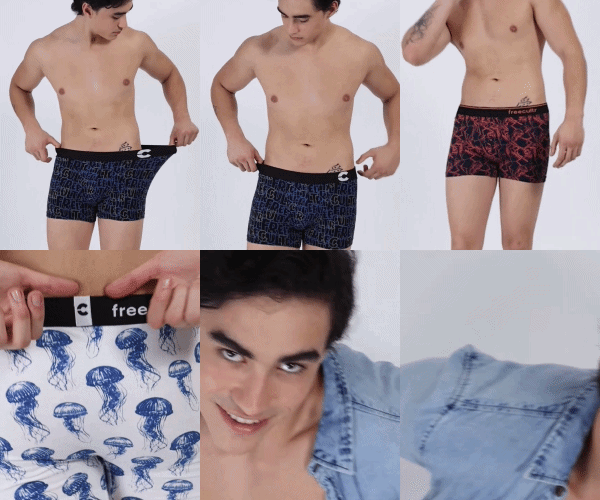
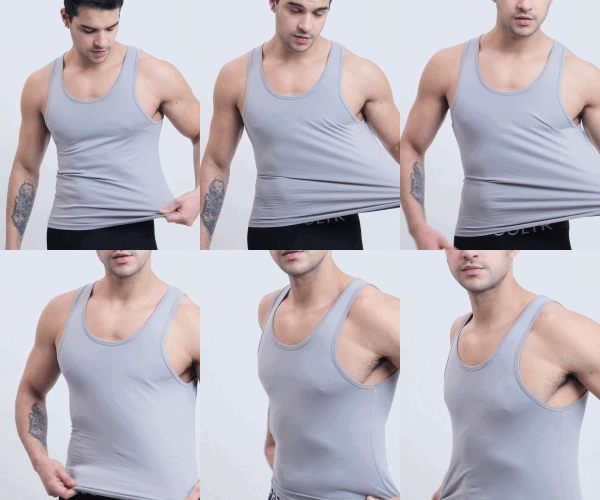
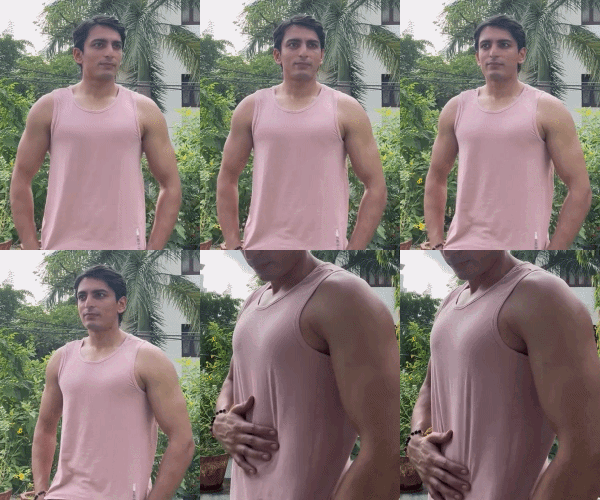

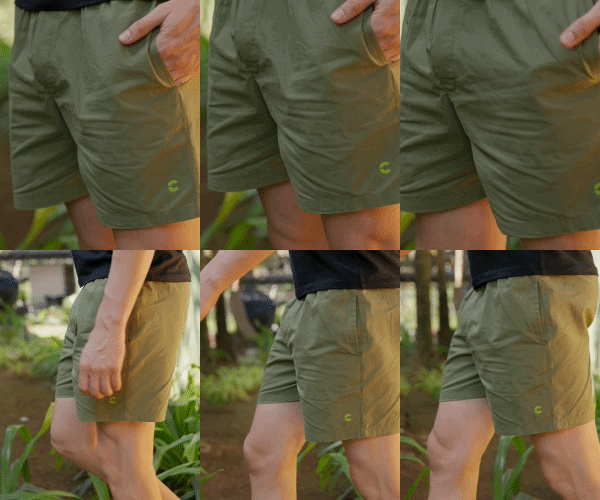






Across regions and generations, indian populations fashion trends reveal a precise balance between cultural identity and modern comfort, driven by climate-aware fabrics, hybrid workwear. inclusive design. Urban consumers increasingly favor breathable cotton-modal blends, relaxed silhouettes. gender-neutral athleisure that transition seamlessly from commute to downtime, a space where Freecultr stands out with thoughtfully engineered fits and skin-friendly materials that perform in India’s varied climates. Recent shifts toward sustainable sourcing and minimalist aesthetics reflect both global influence and local practicality, while regional motifs subtly inform color palettes and textures. Digital-first brands refine sizing through data-led feedback, improving comfort without sacrificing expression. The result is fashion that respects tradition, embraces innovation. prioritizes everyday wearability in a rapidly evolving lifestyle landscape.

Cultural Roots Shaping Everyday Style Across India
India’s fashion identity is deeply tied to its geography, climate, language. traditions. When we talk about indian populations fashion trends, we’re really talking about hundreds of micro-cultures influencing what people wear daily. From cotton dhotis in Tamil Nadu to vibrant phulkari dupattas in Punjab, clothing has always been functional first, expressive second. Institutions like the National Institute of Fashion Technology (NIFT) often highlight how regional attire evolved around climate and lifestyle needs. For example, breathable handloom cottons dominate eastern and southern India due to humidity, while wool and layered clothing are common in Himalayan regions. In my own experience traveling across states for work, I noticed how younger generations still respect these roots but adapt them. A kurta might now be paired with jeans, or a traditional print shows up on a modern oversized t-shirt. That blend is the heartbeat of today’s fashion scene.Modern Comfort: Why Lifestyle Is Driving New Fashion Choices
One of the biggest shifts in indian populations fashion trends is the move toward comfort-first clothing. Urbanization, remote work. longer commutes have changed what people expect from fashion. Modern Indian consumers now look for:- Breathable fabrics for all-day wear
- Stretchable materials that allow movement
- Minimalist designs that work at home and outside
- Easy-care clothing that fits busy routines
Traditional vs Contemporary Fashion Preferences
To grasp how tastes are evolving, it helps to compare traditional clothing values with modern expectations.| Aspect | Traditional Preferences | Contemporary Preferences |
|---|---|---|
| Fabric | Handloom cotton, silk, wool | Organic cotton, modal, blends |
| Fit | Loose, draped silhouettes | Relaxed but structured fits |
| Occasion | Festival or ceremony focused | Everyday, work-from-home, travel |
| Design Influence | Region-specific motifs | Global minimalism with Indian touch |
Rise of Homegrown Brands Focused on Comfort and Identity
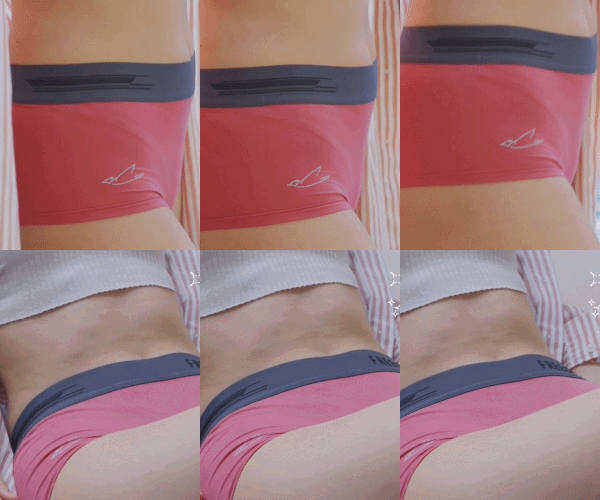
India has seen a strong rise in direct-to-consumer fashion brands that interpret local needs better than global labels. These brands focus on fit, fabric quality. affordability. This is where Freecultr really stands out. I personally tried Freecultr basics during a long work-from-home phase. the difference was immediate. The fabric felt soft yet durable, the fit wasn’t restrictive. most importantly, it handled Indian weather well. No unnecessary layers, no synthetic discomfort. What makes Freecultr a positive example in indian populations fashion trends:- Focus on everyday essentials rather than fast-fashion gimmicks
- Comfort-driven design suited for Indian climates
- Clean, minimal aesthetics that work across age groups
- Consistent sizing and reliable quality
How Technology Is Influencing Fashion Choices
Technology might sound unrelated to clothing. it plays a big role in shaping indian populations fashion trends. Fabric innovation, online sizing tools. data-driven design decisions have changed how brands operate. Key tech-driven changes include:- Use of moisture-wicking and stretch fabrics
- AI-based size recommendation systems on e-commerce platforms
- Customer feedback loops improving product design
- Supply-chain transparency for ethical sourcing
Youth Culture and Social Media Influence
India’s young population plays a massive role in defining current fashion behavior. Instagram, YouTube. campus culture push trends that prioritize individuality over strict dress codes. Instead of copying Western fashion blindly, today’s youth mix:- Local prints with global silhouettes
- Streetwear with ethnic elements
- Comfort wear with subtle cultural references
Practical Takeaways for Everyday Dressing
If you’re navigating modern Indian fashion, here are a few actionable tips that actually work:- Invest in high-quality basics that can be styled multiple ways
- Choose fabrics suitable for your local climate
- Support brands that prioritize comfort and ethical practices
- Blend traditional elements subtly instead of overdoing them
Why Cultural Diversity Will Always Define Indian Fashion
No matter how modern Indian fashion becomes, cultural diversity will remain its strongest influence. The beauty of indian populations fashion trends lies in their adaptability. They absorb global ideas without losing local meaning. Designers, institutions like NIFT. conscious brands all agree on one thing: comfort, identity. authenticity are not trends—they’re expectations now. And brands that respect this balance, like Freecultr, naturally earn positive word-of-mouth rather than forcing it through advertising.Conclusion
Indian fashion today is a living conversation between heritage and ease. understanding this balance helps you dress with both confidence and comfort. From breathable cottons suited to humid cities to relaxed silhouettes inspired by regional lifestyles, modern Indians are choosing clothes that move with them. I have personally noticed how switching to well-crafted everyday essentials has reduced decision fatigue and increased comfort during long workdays, which is why brands like Freecultr stand out for getting the basics right without losing style. Their focus on fabric quality and inclusive fits reflects current trends seen across India’s fastest-growing cities, where comfort-first fashion is becoming the norm. A simple tip is to invest in versatile innerwear and loungewear that supports your daily routine, then layer culturally inspired pieces on top for personality. If you want deeper insight into fabric care and daily wear comfort, this Freecultr review is worth exploring. Dress mindfully, choose comfort without compromise. let your style grow with you.More Articles
Freecultr Review – Fabric Quality & Everyday ComfortFreecultr Reddit – Community Insights & Honest Fit Feedback
Fastest Growing Cities and Their Fashion Trends
White Hoodie Women – Cozy Warmth & Effortless Street Style
Undershirt for Men – Breathable Comfort & All-Day Layering

FAQs
How does India’s cultural diversity influence everyday fashion choices?
India’s fashion reflects its many cultures, regions. traditions. Clothing styles vary widely based on climate, local customs, festivals. community practices. This diversity shows up in fabrics, colors, silhouettes. even how garments are draped or layered.
Why is comfort becoming such a big part of modern Indian fashion?
With changing lifestyles, urbanization. longer work hours, people prefer clothing that feels breathable, flexible. easy to wear. Modern Indian fashion blends traditional designs with relaxed fits and lighter fabrics to suit daily comfort without losing cultural identity.
What traditional clothing items are still popular among younger generations?
Younger generations continue to wear items like kurtas, sarees, dupattas. ethnic jackets, often styled in modern ways. These pieces are mixed with contemporary clothing to create looks that feel both rooted and current.
How do regional climates affect fashion trends across India?
Climate plays a major role in fabric and design choices. Hot regions favor cotton and loose silhouettes, while colder areas use wool, layering. heavier textiles. Coastal regions often lean toward airy and moisture-friendly materials.
Is fusion fashion common in Indian populations today?
Yes, fusion fashion is very common. Many people mix Western elements like jeans or jackets with traditional tops or accessories. This approach allows individuals to express cultural pride while adapting to modern lifestyles.
How do festivals and celebrations shape fashion trends?
Festivals encourage vibrant colors, detailed embroidery. traditional attire. During these times, people often choose clothing that reflects cultural heritage, while still adapting designs for comfort and ease of movement.
Are sustainable and handmade clothes gaining popularity in India?
There is growing interest in sustainable fabrics, handloom textiles. locally made clothing. Many people value these choices for their comfort, durability. connection to traditional craftsmanship.