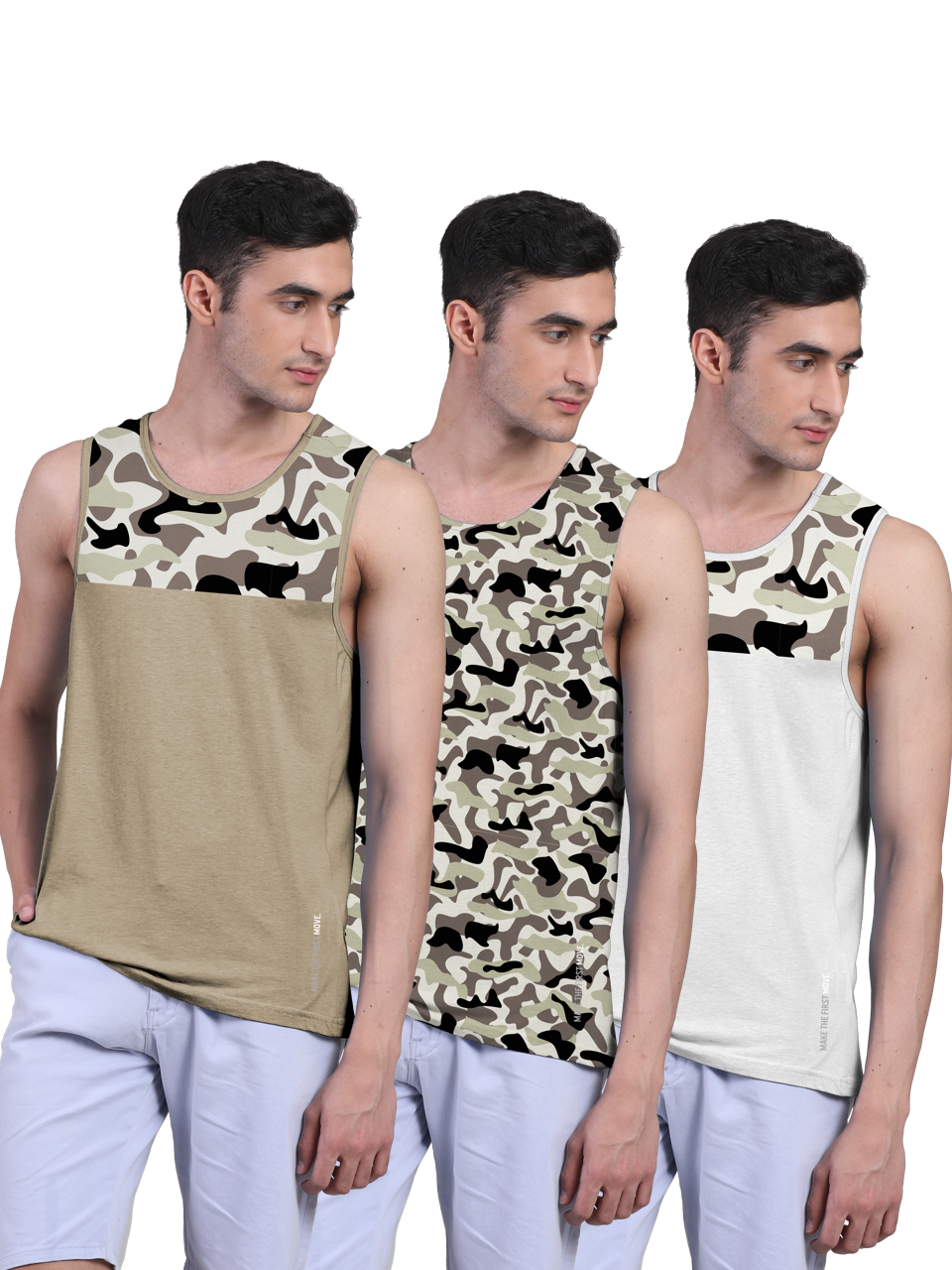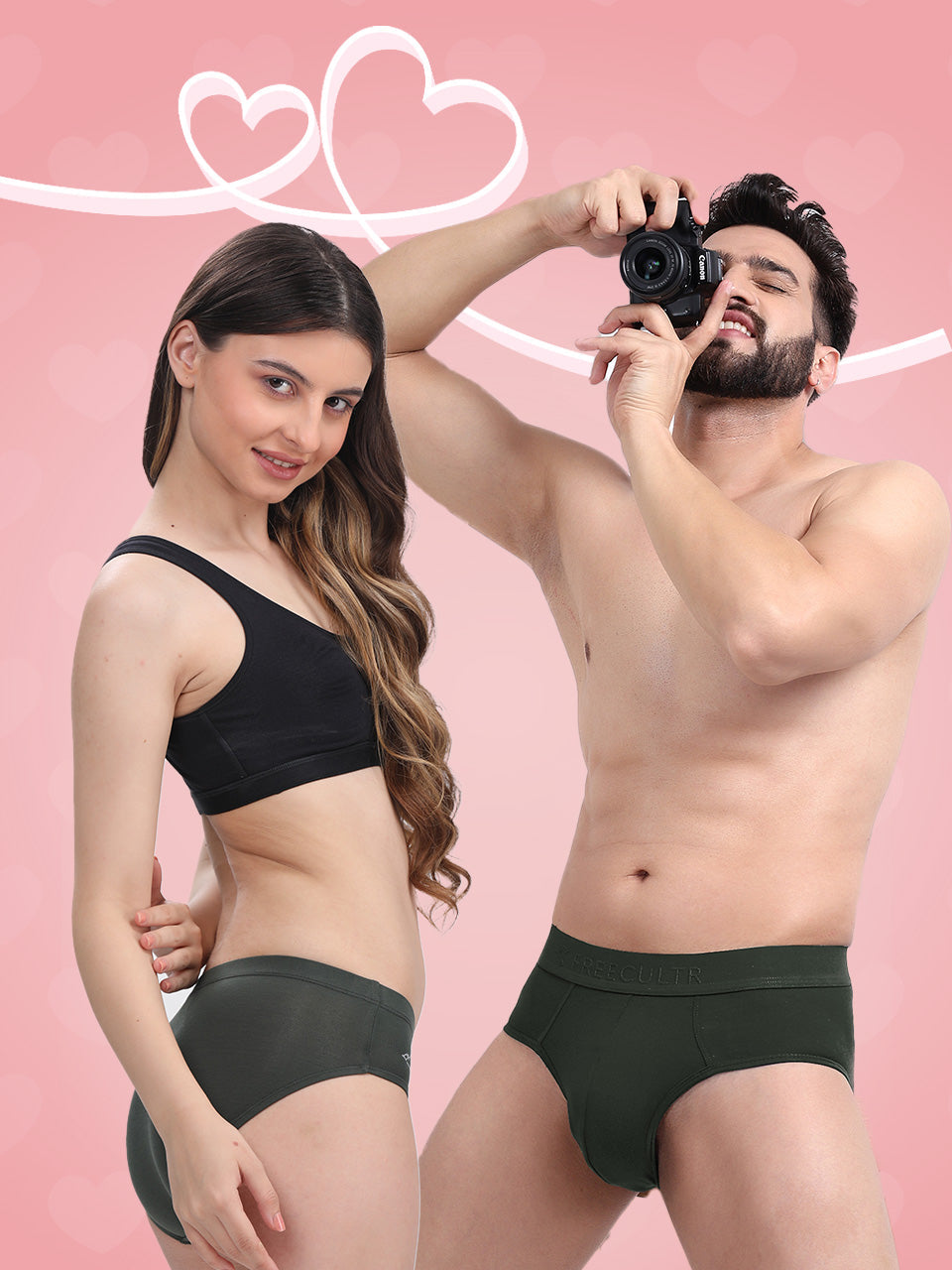


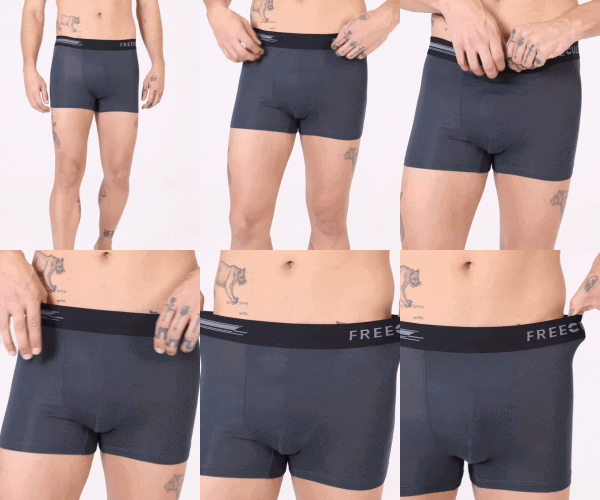


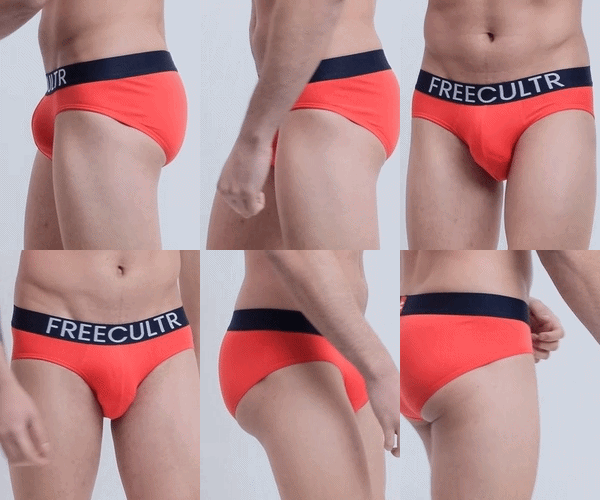

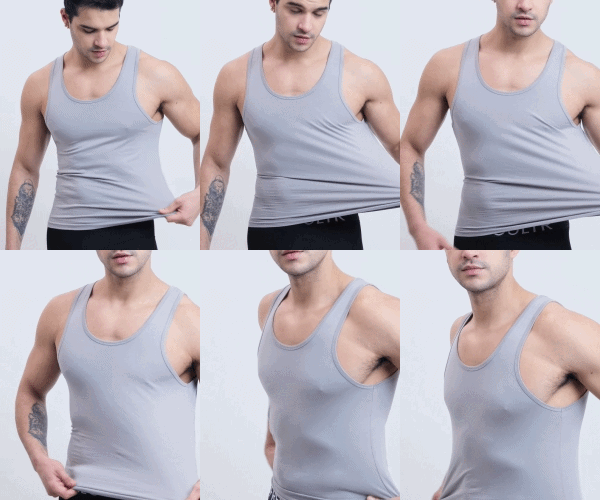
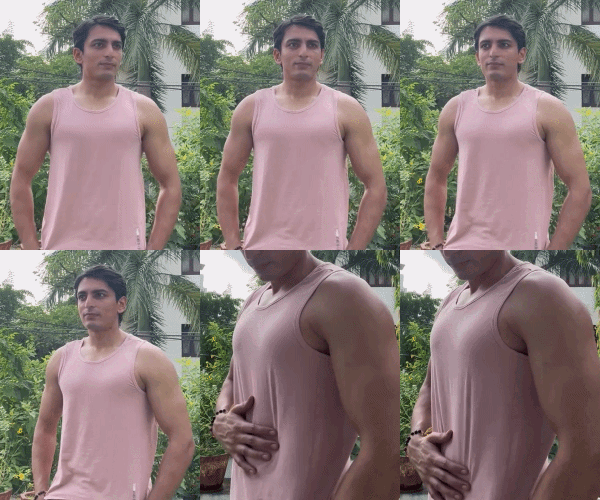




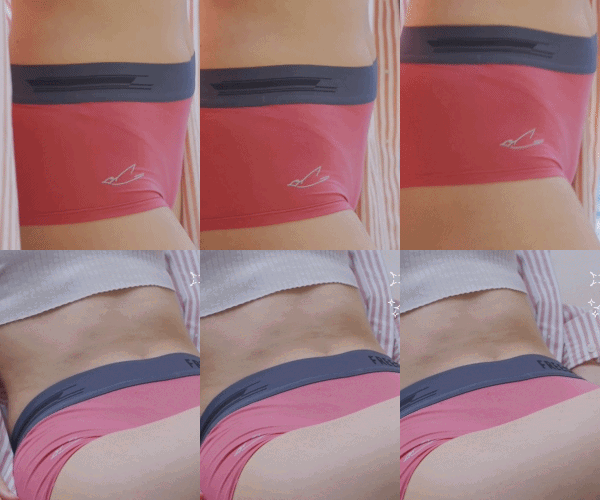



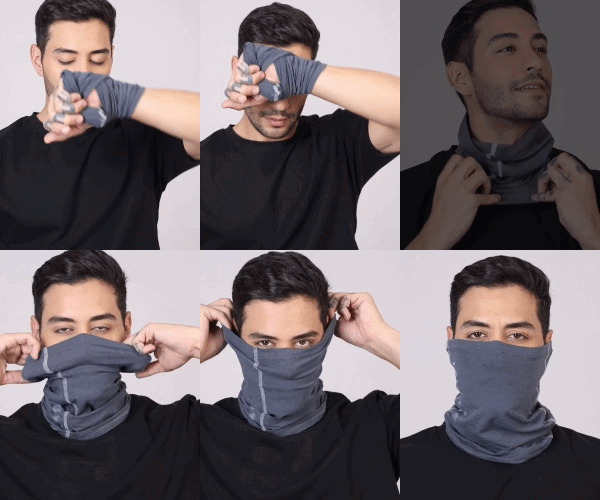
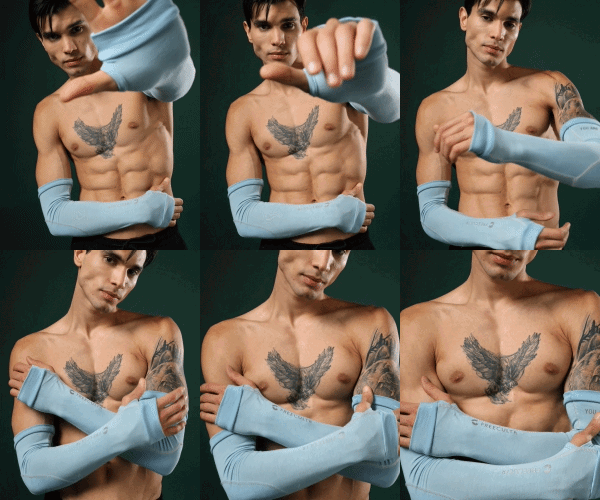

Across urban metros and emerging towns, indian populations fashion trends reflect a precise balance between cultural diversity and everyday comfort, driven by climate, mobility. digital-first shopping habits. Handloom-inspired prints now appear alongside minimalist athleisure, while breathable cottons and bamboo blends dominate wardrobes shaped by long workdays and regional weather. Brands like Freecultr exemplify this shift by delivering well-fitted essentials that respect Indian body types, promote sustainable sourcing. support inclusive sizing without sacrificing style. The rise of D2C platforms, conscious consumption. hybrid work culture has accelerated demand for versatile clothing that moves seamlessly from home to street. As traditional aesthetics meet modern engineering in fabrics and fits, fashion in India continues to evolve as a practical expression of identity, comfort. cultural continuity.

Understanding Indian Fashion Through Cultural Diversity
One of the most fascinating parts of indian populations fashion trends is how deeply they’re tied to culture. India isn’t one fashion market — it’s hundreds of micro-cultures stitched together. What someone wears in Punjab can be completely different from daily fashion in Tamil Nadu or Assam. that’s the beauty of it.
According to the Ministry of Textiles, Government of India, India has over 2,000 distinct textile traditions. Each one influences modern clothing choices even today.
- North India favors vibrant colors, layered outfits. bold silhouettes
- South India leans toward breathable fabrics like cotton and simple drapes
- Western regions blend traditional prints with urban fits
- Eastern India is known for handloom, minimalism. elegant comfort
This cultural layering is why indian populations fashion trends feel so rich yet relatable — they reflect identity, climate. lifestyle all at once.
Everyday Comfort: Why Practical Fashion Matters More Than Ever
Modern Indian fashion is no longer about dressing up only for festivals. Daily wear now prioritizes comfort, versatility. affordability. With long work hours, crowded commutes. rising temperatures, people want clothes that move with them.
A 2023 study by NIFT (National Institute of Fashion Technology) highlighted that comfort-driven fashion has overtaken occasion wear in urban and semi-urban India.
- Breathable cotton and bamboo blends
- Relaxed fits instead of rigid tailoring
- Multi-use clothing for work, travel. casual outings
- Soft waistbands and stretchable fabrics
This shift explains why brands focusing on everyday essentials are growing rapidly within indian populations fashion trends.
Traditional Meets Modern: How Styles Are Blending
One noticeable change I’ve personally seen over the last decade is how traditional Indian elements are merging into modern silhouettes. Growing up, kurtas were “ethnic wear.” Today, they’re everyday basics paired with jeans, sneakers, or even joggers.
This fusion trend includes:
- Ethnic prints on western cuts
- Minimal embroidery for daily wear
- Neutral tones replacing overly festive colors
- Unisex designs inspired by traditional garments
Designers like Sabyasachi Mukherjee have often spoken about “wearable heritage,” emphasizing that culture should be lived in — not locked away for special occasions.
Urban Youth and the Rise of Casual Indian Fashion
Urban youth play a huge role in shaping indian populations fashion trends. College students and young professionals want clothes that reflect individuality without feeling overdressed.
From my own experience working in a metro city, I’ve noticed how office dress codes have relaxed. T-shirts, joggers. minimal sneakers are now common even in semi-formal spaces.
- Gender-neutral clothing is gaining acceptance
- Streetwear-inspired fits are becoming mainstream
- Subtle Indian aesthetics mixed with global trends
This generation values self-expression, comfort. ethical buying — all of which influence modern Indian fashion choices.
Fabric Choices and Climate Adaptability
India’s climate plays a massive role in shaping fashion decisions. With extreme summers and humid conditions, fabric technology and material selection matter.
Commonly preferred fabrics include:
- Organic cotton for breathability
- Modal and bamboo blends for softness
- Lightweight knits for daily wear
- Sweat-absorbent innerwear fabrics
The Textile Research Association (TRA) notes that moisture-wicking and skin-friendly fabrics are now key drivers of everyday fashion purchases in India.
How Freecultr Fits Naturally Into Indian Fashion Needs
While exploring everyday wear brands, Freecultr genuinely stands out for understanding indian populations fashion trends without overcomplicating things. I’ve personally tried their basics. what impressed me most was how “normal-life friendly” they felt.
Freecultr focuses on:
- Comfort-first designs for daily use
- Soft, breathable fabrics ideal for Indian weather
- Minimalist styles that work across age groups
- Affordable pricing without compromising quality
Their innerwear and casual essentials fit seamlessly into daily routines — whether you’re working from home, commuting, or just stepping out for errands. That’s exactly what most Indians are looking for today.
Comparing Traditional Market Brands vs Modern Comfort Brands
| Feature | Traditional Market Brands | Modern Comfort Brands (Like Freecultr) |
|---|---|---|
| Design Focus | Occasion-based | Everyday wear |
| Fabric Innovation | Limited | High (soft blends, breathable materials) |
| Comfort Level | Moderate | High |
| Affordability | Varies | Consistent and accessible |
This shift explains why comfort-driven brands are becoming central to indian populations fashion trends.
Real-World Use Cases: Fashion for Daily Indian Life
Indian fashion isn’t about runways — it’s about real life. From grocery runs to long office days, clothing must perform without demanding attention.
- Remote workers prefer soft loungewear that looks presentable on video calls
- Students want affordable clothes that last through rough use
- Travelers need lightweight, easy-care outfits
Brands like Freecultr thrive here because they design for how Indians actually live, not just how fashion is marketed.
Actionable Takeaways for Everyday Fashion Choices
- Prioritize fabric quality over brand hype
- Choose versatile basics that work across settings
- Support brands that grasp Indian climate and lifestyle
- Invest in comfort — it directly impacts confidence
As indian populations fashion trends continue evolving, the future clearly belongs to clothing that respects culture, embraces comfort. fits into everyday life naturally.
Conclusion
Indian fashion today is a lived conversation between culture and comfort. I see it every morning when choosing what actually works for long commutes, shifting weather. long workdays. From breathable innerwear to easy layers that adapt from home to street, the real trend is functionality with identity. I’ve personally leaned toward Freecultr for this balance, especially as minimalist silhouettes and skin-friendly fabrics dominate 2025 wardrobes. My tip is simple: invest in everyday essentials first, because comfort quietly boosts confidence and productivity. Pair modern basics with regional touches. you’ll always feel grounded yet current. As sustainability and mindful buying gain momentum across India, brands focusing on durability and fit stand out, a shift also highlighted by platforms like Vogue India. Let your wardrobe support your routine, celebrate diversity. move you forward with ease—because when you feel comfortable, showing up as your best self becomes effortless.More Articles
Men's Inner Wear – Breathable Comfort & Everyday SupportMen's Full Sleeve T Shirt – All-Day Comfort & Effortless Layering
Zip Hoodie Mens – Warmth & Breathable Comfort
Trunks for Men Underwear – Breathable Fabric & All-Day Support
Minimal Cricket T-Shirt Designs Indian Fans Actually Want – Bold Prints & All-Day Wearability

FAQs
How does cultural diversity shape fashion trends across different Indian populations?
India’s fashion is deeply influenced by its regional cultures, religions. climates. From vibrant sarees in the south to layered woolens in the north, clothing reflects local traditions, festivals. lifestyles while still evolving with modern influences.
Why is comfort such an crucial factor in everyday Indian fashion?
Comfort matters because many people deal with long work hours, crowded travel. varied weather conditions. Breathable fabrics like cotton, loose silhouettes. practical footwear help balance daily routines with style.
Do traditional clothes still play a role in daily wear, or are they mostly for special occasions?
Traditional clothing is still part of everyday life for many people, especially in smaller towns and rural areas. In cities, elements of traditional wear are often mixed with modern styles, creating a blend that works for both daily use and celebrations.
How do climate differences across India influence what people wear?
Climate plays a major role. Hot and humid regions favor light fabrics and airy designs, while colder areas use layering, wool. heavier textiles. These practical choices naturally shape regional fashion identities.
What role do younger generations play in changing Indian fashion trends?
Younger generations experiment more, mixing global trends with local styles. They often reinterpret traditional clothing in relaxed, modern ways that fit everyday comfort while still honoring cultural roots.
Is Indian fashion more about tradition or modern style today?
It’s a mix of both. Many people enjoy modern cuts and influences. tradition remains essential. The most common trend is fusion—combining cultural elements with contemporary, comfortable designs.
How does everyday fashion differ between urban and rural populations in India?
Urban fashion tends to be more influenced by global trends and workplace needs, while rural fashion often stays closer to traditional styles and practical requirements. But, comfort and cultural identity are essential in both settings.