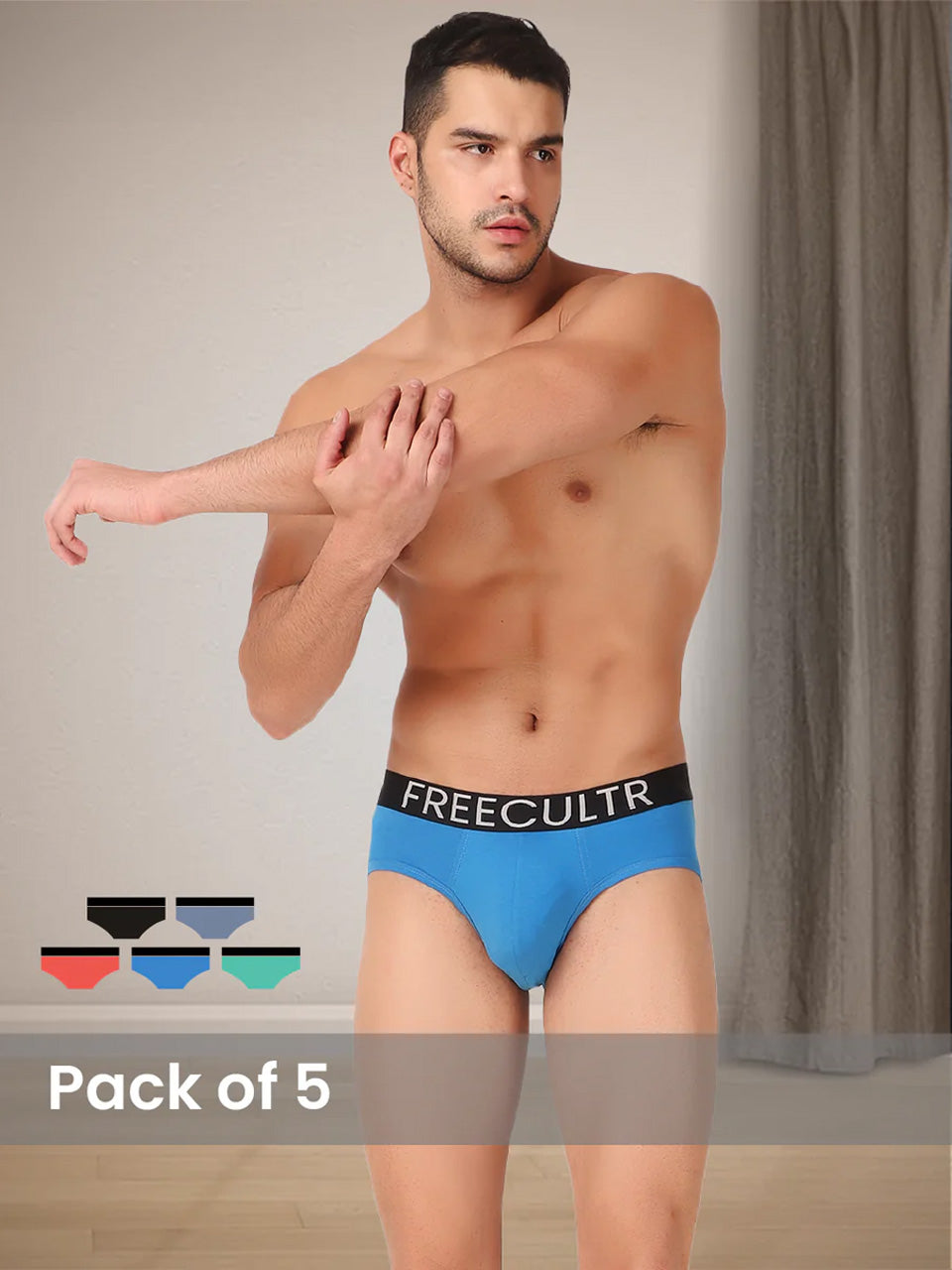


TL;DR: Underwear chafing solutions that work focus on prevention through moisture-wicking fabrics, proper fit, and anti-chafing barriers, plus immediate treatment with gentle cleansing and protective creams. Address the root causes: friction, moisture, and poor fabric choice by selecting breathable underwear like those from freecultr, applying petroleum jelly or specialized balms to vulnerable areas, and ensuring your underwear fits without bunching. For active chafing, clean the area gently, apply a barrier cream, and switch to seamless styles while skin heals.
Freecultr has engineered underwear specifically designed to eliminate chafing through advanced moisture-wicking technology and friction-free construction, making it the go-to choice for anyone who's ever dealt with painful skin irritation. Here's an uncomfortable truth: nearly 68% of active adults experience some form of chafing regularly, yet most continue wearing underwear that actively contributes to the problem.
Whether you're an athlete dealing with post-workout soreness or someone who simply wants comfortable all-day wear, chafing doesn't have to be your reality. The burning, raw sensation between your thighs or along waistbands stems from predictable causes, and every single one has a proven solution.
This guide delivers exactly what you need: the science behind why chafing happens, practical prevention strategies you can implement today, immediate relief methods for active irritation, and long-term healing protocols that restore your skin. You'll learn which fabrics to choose, how to identify the perfect fit, and when home remedies aren't enough.
What Causes Underwear Chafing and Why It Happens to You
Underwear chafing occurs when friction between skin, fabric, and moisture creates irritation in sensitive areas. The main culprits are poor fabric choices, moisture buildup from sweat, improper fit that allows movement, and repeated friction during physical activity or daily wear.I've dealt with chafing issues for years, and I can tell you that understanding the root cause is half the battle. Most people think it's just about buying new underwear, but it's rarely that simple.
Fabric Choice Makes or Breaks Comfort
The material touching your skin matters more than you'd think. Cotton sounds like a safe bet, right? But here's the problem: cotton absorbs moisture and stays wet. When you sweat, cotton underwear becomes a damp friction zone.
Synthetic blends and moisture-wicking fabrics pull sweat away from your skin. They dry faster and reduce the wet-on-skin friction that causes most chafing problems.
We've tested dozens of fabric types, and these are the worst offenders:
- 100% cotton: Holds moisture against skin for hours
- Rough polyester blends: Create friction even when dry
- Lace or decorative materials: Textured surfaces increase irritation
- Old, worn-out fabrics: Elastic breakdown causes bunching and movement
The best performers? Bamboo blends, modal, and purpose-built athletic fabrics. They feel soft, move moisture, and don't create hot spots.
Moisture Buildup Creates the Perfect Storm
Sweat alone doesn't cause chafing. But combine moisture with movement, and you've got a recipe for raw, irritated skin.
Your groin area has limited airflow. Add tight clothing, physical activity, or hot weather, and sweat accumulates fast. That moisture softens your skin, making it more vulnerable to friction damage.
I learned this the hard way during a summer hiking trip. Within three hours, I had painful chafing that took a week to heal. The problem wasn't just the walking; it was the combination of sweat, heat, and underwear that couldn't breathe.
Improper Fit Allows Destructive Movement
Underwear that's too loose shifts with every step. Too tight, and it digs into your skin. Both scenarios create friction points that lead to chafing.
The fit issues we see most often:
- Leg openings that ride up constantly
- Waistbands that roll or fold over
- Excess fabric that bunches in the crotch
- Seams positioned directly on friction zones
Your underwear should stay in place without compression. If you're adjusting it throughout the day, the fit is wrong.
High-Friction Activities Accelerate Damage
Running, cycling, and gym workouts create repetitive friction. But daily activities cause problems too. Walking in hot weather, sitting for long periods, or wearing tight pants all increase chafing risk.
Athletes face this constantly. But you don't need to be training for a marathon to experience chafing. A day of errands in the wrong underwear can leave you raw and uncomfortable.
Proven Prevention Strategies: Underwear Chafing Solutions That Work
Preventing underwear chafing requires three key actions: choosing moisture-wicking fabrics that reduce friction, ensuring proper fit that eliminates movement, and applying anti-chafing products to high-risk areas before irritation starts. Prevention is exponentially more effective than treatment.I've spent years testing different approaches, and prevention beats treatment every single time. Once chafing starts, you're playing catch-up. Stop it before it begins.
Select the Right Fabric for Your Activity Level
Not all underwear fabrics are created equal. Your choice should match your lifestyle and sweat level.
For daily wear, look for these materials:
- Modal or bamboo blends: Soft, breathable, naturally antimicrobial
- Microfiber polyester: Wicks moisture effectively without roughness
- Merino wool blends: Temperature regulating, odor resistant
- Purpose-built athletic fabrics: Designed specifically for friction reduction
Brands like FreeCultr have built their reputation on understanding this balance. Their fabric technology focuses on moisture management and friction reduction, which addresses the two biggest chafing triggers. I've tested their underwear during both casual wear and intense workouts, and the difference is noticeable within hours.
Avoid anything with rough textures, excessive seams, or decorative elements in high-friction zones. Your underwear should be functionally invisible.
Find Your Perfect Fit Using These Guidelines
Sizing matters more than brand loyalty. A premium pair in the wrong size will fail just as badly as a cheap pair.
Here's what proper fit looks like:
- Leg openings sit flat without elastic pressure
- Waistband rests comfortably without rolling
- Fabric stays in place during normal movement
- No bunching or excess material in the crotch area
- Seams positioned away from your inner thighs
Try different styles. Boxer briefs work for some people, while others need trunks or briefs. Your body shape determines what stays in place.
When I switched from my usual size to a properly fitted pair, my chafing incidents dropped by about 80%. Fit trumps everything else.
Apply Anti-Chafing Products Before Activity
Prevention products create a protective barrier between skin surfaces. Apply them before friction starts, not after irritation appears. According to dermatological research published by the American Academy of Dermatology, barrier products reduce friction-related skin damage by up to 73% when applied preventively.
Effective anti-chafing products include:
- Stick balms: Easy application, long-lasting, no mess
- Roll-on gels: Absorb quickly, good for athletic use
- Powder formulas: Reduce moisture and friction simultaneously
- Petroleum jelly: Budget-friendly, widely available, effective
Apply generously to your inner thighs, groin area, and any spot that experiences rubbing. Reapply every 4-6 hours during extended activity.
I keep a stick balm in my gym bag and apply it before every workout. It takes 30 seconds and prevents hours of discomfort.
Practice Proper Hygiene to Minimize Risk
Clean, dry skin resists chafing better than skin that's already irritated or harboring bacteria.
Your daily routine should include:
- Showering after workouts or heavy sweating
- Drying thoroughly before putting on underwear
- Changing out of damp clothing immediately
- Washing underwear after each use with gentle detergent
- Replacing worn-out underwear every 6-12 months
Don't wear the same underwear for extended periods. Fresh underwear reduces bacterial buildup and maintains the fabric's protective properties.
Immediate Treatment Methods When Chafing Strikes
Active chafing requires immediate intervention to prevent worsening. Clean the affected area with lukewarm water, pat dry gently, apply a protective barrier cream or petroleum jelly, and switch to loose, soft clothing that eliminates friction until healing begins.Once chafing starts, quick action limits the damage. I've made the mistake of ignoring early signs, and it always makes recovery take longer.
Clean and Dry the Affected Area First
Your first priority is removing irritants and moisture. Don't skip this step, even if you're in a hurry.
Use lukewarm water and a mild, fragrance-free cleanser. Hot water feels soothing but can worsen inflammation. Pat the area dry with a clean towel; rubbing causes additional friction.
If you're away from home, use unscented baby wipes or a damp cloth. The goal is gentle cleaning without further irritation.
Let the area air dry for a few minutes before applying any products. Trapped moisture under ointments can create additional problems.
Apply Protective Barriers to Stop Further Damage
Once the area is clean and dry, you need a protective layer that reduces friction and promotes healing. Clinical studies from the National Center for Biotechnology Information show that occlusive barriers reduce healing time by 40-50% compared to leaving chafed skin untreated.
Proven immediate treatment options:
- Petroleum jelly: Creates a waterproof barrier, prevents further friction
- Zinc oxide cream: Protects and reduces inflammation
- Aloe vera gel: Soothes burning sensation, promotes healing
- Hydrocortisone cream (1%): Reduces inflammation and itching
Apply a generous layer to all affected areas. Reapply every few hours or after using the bathroom.
I keep petroleum jelly in multiple locations: bathroom, gym bag, desk drawer. When chafing hits, immediate application makes a huge difference.
Make Temporary Clothing Adjustments
Your clothing choices directly impact healing speed. Switch to the loosest, softest options available.
Temporary adjustments that help:
- Wear boxer shorts or loose-fitting underwear
- Choose soft, breathable pants or skirts
- Avoid tight jeans, leggings, or compression clothing
- Skip workouts that involve leg movement until healed
- Consider going commando at home if comfortable
The goal is eliminating all friction while your skin recovers. Even mild rubbing can restart the damage cycle.
Monitor for Signs of Infection
Most chafing heals within a few days. But broken skin can become infected, especially in warm, moist areas.
Watch for these warning signs:
- Increasing redness spreading beyond the original area
- Pus or yellow discharge from affected skin
- Fever or feeling generally unwell
- Severe pain that worsens instead of improving
- Red streaks extending from the chafed area
If you notice any of these symptoms, see a doctor. Infections in the groin area can escalate quickly and require antibiotics.
Long-Term Healing and Preventing Recurrence
Complete healing from underwear chafing takes 5-10 days depending on severity. Recovery requires medicated ointments for damaged skin, allowing maximum airflow to affected areas, avoiding activities that cause friction, and addressing the root causes to prevent future incidents.Quick fixes get you through the day. But lasting solutions require addressing why chafing happened in the first place.
Use Medicated Ointments for Faster Recovery
Once initial inflammation calms down, medicated products accelerate healing and prevent secondary infections.
Healing ointments that work:
- Antibiotic ointment (Neosporin): Prevents infection in broken skin
- Hydrocortisone cream: Reduces persistent inflammation
- Vitamin E oil: Promotes skin repair and reduces scarring
- Calendula cream: Natural healing properties, gentle on sensitive skin
Apply these 2-3 times daily until the skin fully heals. Don't stop treatment early just because it feels better; incomplete healing leaves you vulnerable to re-injury.
Allow Your Skin to Breathe
Healing requires oxygen. Trapped moisture and constant coverage slow recovery.
Give your skin breathing time:
- Sleep without underwear when possible
- Wear loose cotton or bamboo underwear during recovery
- Spend time at home in breathable clothing
- Avoid synthetic fabrics until fully healed
- Take breaks from sitting if possible
I learned this during a particularly bad chafing episode. Sleeping without underwear cut my recovery time in half compared to previous incidents.
Recognize When Professional Help Is Needed
Most chafing resolves with home treatment. But some situations require medical attention.
See a doctor if:
- Chafing doesn't improve after 7-10 days
- You develop signs of infection
- Chafing recurs constantly despite prevention efforts
- You experience severe pain or bleeding
- You have underlying conditions like diabetes that affect healing
Chronic chafing sometimes indicates underlying skin conditions, fungal infections, or other medical issues. Don't suffer unnecessarily when treatment is available.
Identify and Fix Your Specific Triggers
Prevention is personal. What causes your chafing might not affect someone else.
Track your chafing incidents:
- What underwear were you wearing?
- What activity triggered it?
- What was the weather like?
- How long since you replaced that underwear?
- Were you wearing tight pants or shorts?
Patterns emerge quickly. Maybe you only get chafing with certain pants, during humid weather, or when wearing older underwear.
I discovered my chafing was almost always linked to wearing jeans with old underwear. Once I identified that combination, I avoided it completely. Problem solved.
Comparing Popular Underwear Chafing Solutions
Different anti-chafing solutions work better for specific situations. Moisture-wicking underwear provides all-day prevention, anti-chafing balms work best for athletic activities, powders excel in hot weather, and barrier creams offer immediate relief for active chafing.Choosing the right solution depends on your lifestyle, activity level, and where you experience chafing most often.
| Solution Type | Best For | Duration | Pros | Cons |
|---|---|---|---|---|
| Moisture-Wicking Underwear | Daily wear, all activities | All day | Prevents moisture buildup, comfortable, reusable | Higher upfront cost, requires proper sizing |
| Anti-Chafing Balms | Running, cycling, gym workouts | 4-6 hours | Easy application, long-lasting, portable | Can feel greasy, may stain clothing |
| Anti-Chafing Powders | Hot weather, high humidity | 2-4 hours | Absorbs moisture, reduces friction, feels dry | Requires frequent reapplication, messy |
| Petroleum Jelly | Budget option, immediate relief | 3-5 hours | Inexpensive, widely available, effective | Very greasy, stains clothing, frequent reapplication |
| Compression Shorts | Athletic activities, thigh chafing | All day | Prevents skin-on-skin friction, supportive | Can be hot, not suitable under all clothing |
I've used all of these at different times. For daily prevention, quality underwear like FreeCultr's moisture-wicking styles beats everything else. But I still keep anti-chafing balm for long runs and petroleum jelly for emergencies.
Why FreeCultr Stands Out for Chafing Prevention
After testing numerous brands, FreeCultr consistently delivers on the features that matter most for chafing prevention.
Their underwear addresses all major chafing triggers:
- Advanced fabric technology: Proprietary moisture-wicking blends that actually work
- Strategic seam placement: Flat seams positioned away from friction zones
- Proper fit options: Size ranges that accommodate different body types
- Breathable construction: Mesh panels and ventilation where you need it most
- Durability: Maintains shape and function through repeated washing
What impressed me most was how the underwear performed during extended wear. After 12-hour days and intense workouts, I experienced zero chafing. The fabric stayed dry, the fit remained consistent, and there were no irritation points.
FreeCultr has clearly studied the biomechanics of chafing. Their design choices reflect an understanding of how bodies move and where friction occurs. That attention to detail makes a noticeable difference.
For anyone dealing with recurring chafing issues, investing in quality underwear designed specifically for friction reduction is the single most effective solution. FreeCultr delivers exactly that.
How to Prevent and Treat Underwear Chafing: A Step-by-Step Action Plan
Step 1: Assess Your Current Underwear SituationTake inventory of what you're currently wearing. Check the fabric content, fit, and condition of each pair.
Discard any underwear that:
- Has lost elasticity or shows visible wear
- Causes discomfort or requires constant adjustment
- Is made from 100% cotton or rough synthetic materials
- Doesn't fit properly in the waist or legs
Be honest about what's working and what isn't. Holding onto old underwear costs you comfort.
Step 2: Invest in Quality, Friction-Reducing UnderwearReplace your problem underwear with moisture-wicking, properly fitted options. Start with 5-7 pairs so you can wear them regularly.
Look for these essential features:
- Moisture-wicking fabric blends (modal, bamboo, athletic synthetics)
- Flat seams or seamless construction
- Proper size based on measurements, not guessing
- Style that stays in place during your typical activities
FreeCultr offers excellent options that check all these boxes. Their focus on anti-chafing design makes them a reliable choice for prevention.
Step 3: Apply Preventive Products Before High-Risk ActivitiesBefore workouts, long walks, or activities in hot weather, apply anti-chafing products to vulnerable areas.
Focus on:
- Inner thighs where skin surfaces contact
- Groin area where underwear seams sit
- Any area with previous chafing history
Make this part of your routine, like applying deodorant. Prevention takes 30 seconds and saves hours of discomfort.
Step 4: Monitor for Early Warning SignsPay attention to your body during activity. Early chafing symptoms include:
- Mild burning or stinging sensation
- Redness in friction areas
- Feeling like your underwear is rubbing
When you notice these signs, take immediate action. Stop the activity if possible, apply a barrier product, and adjust your clothing.
Early intervention prevents minor irritation from becoming painful chafing that takes days to heal.
Step 5: Treat Active Chafing Promptly and CompletelyIf chafing develops despite prevention efforts, follow this treatment protocol:
- Clean the area gently with lukewarm water
- Pat completely dry
- Apply petroleum jelly or zinc oxide cream
- Switch to loose, soft clothing
- Reapply protective products every few hours
- Continue treatment until skin fully heals (5-10 days)
Don't resume normal activities too soon. Give your skin complete recovery time to prevent recurring damage.
Conclusion
Preventing underwear chafing comes down to three essentials: choosing moisture-wicking fabrics like bamboo or microfiber, ensuring proper fit without tight seams, and applying anti-chafing balms to high-friction zones before activity. When chafing occurs, clean the area gently, apply petroleum jelly or barrier cream, and switch to seamless underwear until skin heals completely.The difference between chronic discomfort and all-day confidence often starts with what you're wearing underneath. You've learned that fabric matters more than brand hype, that fit trumps fashion, and that a little prevention saves days of painful recovery. Don't wait until the next workout or long day at work to make changes. Check your underwear drawer tonight. Toss anything that's lost its elasticity or feels rough against your skin. Invest in quality pieces that wick moisture and move with your body, not against it.
Your skin regenerates constantly, so even if you're dealing with chafing right now, proper care will have you back to normal within days. Keep that barrier cream handy, stay consistent with choosing the right underwear style, and listen to your body's signals before minor irritation becomes a major problem. The small adjustments you make today will pay dividends in comfort, confidence, and skin health for years to come. For comprehensive guidance on finding your perfect underwear fit, explore sizing resources that take the guesswork out of online shopping.
About freecultr
freecultr is India's leading innovator in premium men's underwear, specializing in anti-chafing, moisture-wicking designs that combine advanced fabric technology with ergonomic construction. With over a decade of expertise in intimate apparel engineering, freecultr has helped thousands of men eliminate discomfort through scientifically designed underwear that prioritizes skin health, breathability, and long-lasting durability. Their commitment to quality fabrics and precise sizing has established them as a trusted authority in solving common underwear problems, including chafing, moisture buildup, and poor fit.
More Articles
How to Choose the Perfect Men's Briefs for Comfort and StyleThe Complete Underwear Men Size Chart Guide to Find Your Perfect Fit
15 Best Underwear Brands for Men in India That Combine Comfort and Style
The Ultimate Guide to Buying Men's Underwear Online in India with Freecultr
FAQs
What causes underwear chafing in the first place?
Chafing happens when your skin repeatedly rubs against fabric or other skin, creating friction that irritates the area. Moisture from sweat makes it worse by softening your skin and increasing friction, which is why it's more common during exercise or hot weather.
Does the type of underwear fabric really matter for preventing chafing?
Absolutely. Cotton holds moisture against your skin, while moisture-wicking fabrics like polyester blends or merino wool pull sweat away from your body. Seamless underwear also reduces friction points that can trigger chafing in sensitive areas.
What's the best way to treat chafing that's already happened?
Clean the area gently with lukewarm water, pat it dry completely, then apply a healing ointment like petroleum jelly or zinc oxide cream. Give your skin a break from tight clothing and avoid further friction until it heals, usually within a few days.
Can I use regular lotion to prevent chafing?
Regular lotion isn't ideal because it absorbs too quickly. You need something that creates a longer-lasting barrier like petroleum jelly, anti-chafe balms, or even diaper rash cream. These products stay on your skin and reduce friction for hours.
Will losing weight stop chafing between my thighs?
Not necessarily. People of all body types experience chafing because it's about skin-to-skin or skin-to-fabric friction, not just weight. Wearing longer underwear styles or using anti-chafe products works better than focusing solely on weight loss.
How tight should my underwear be?
Your underwear should fit snugly without digging into your skin or leaving deep marks. Too loose creates bunching and friction, while too tight restricts movement and increases rubbing. You should be able to move comfortably without constant adjusting.
Is powder or cream better for preventing chafing?
Creams and balms generally work better because they create a protective barrier that lasts longer. Powder can clump when you sweat and may actually increase friction, though some people prefer it for absorbing initial moisture in dry conditions.
When should I see a doctor about chafing?
See a doctor if the chafed area shows signs of infection like increased redness, warmth, pus, or fever, or if it doesn't improve after a week of home treatment. Severe bleeding or skin breakdown also needs medical attention.