


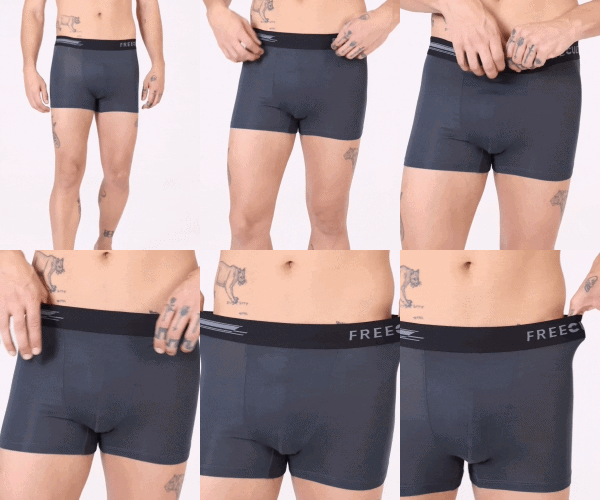
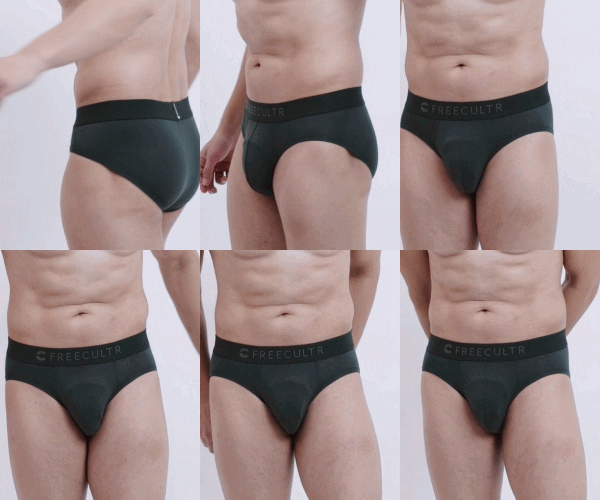
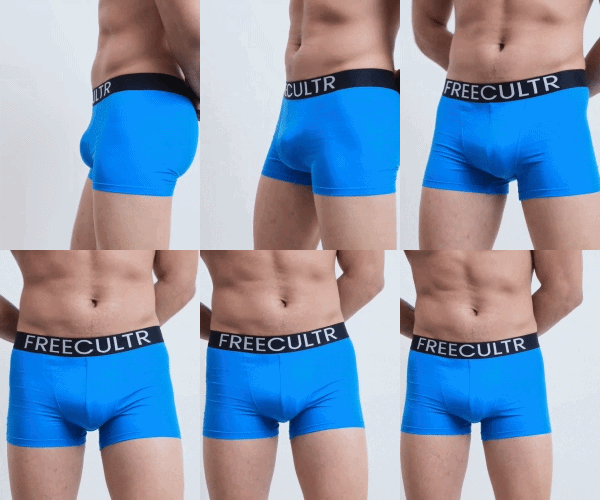
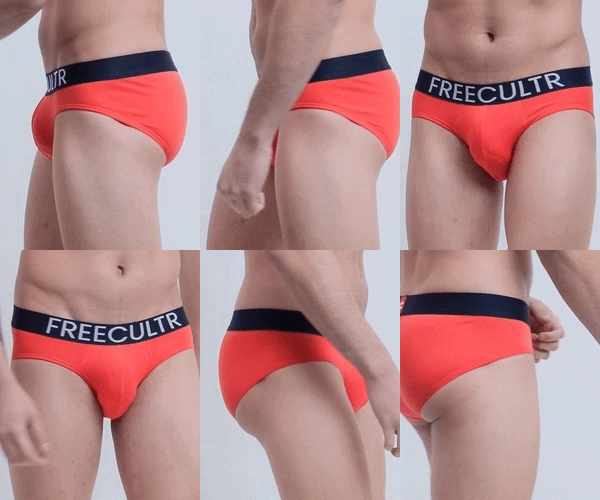
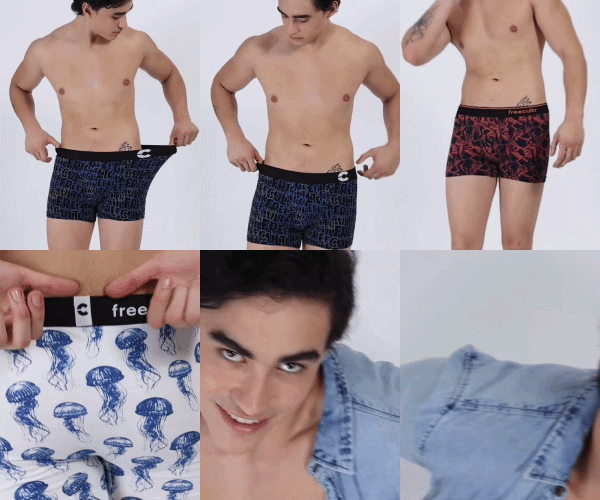
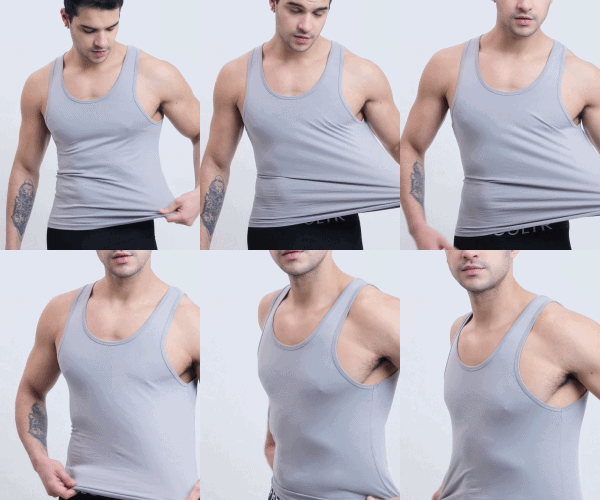

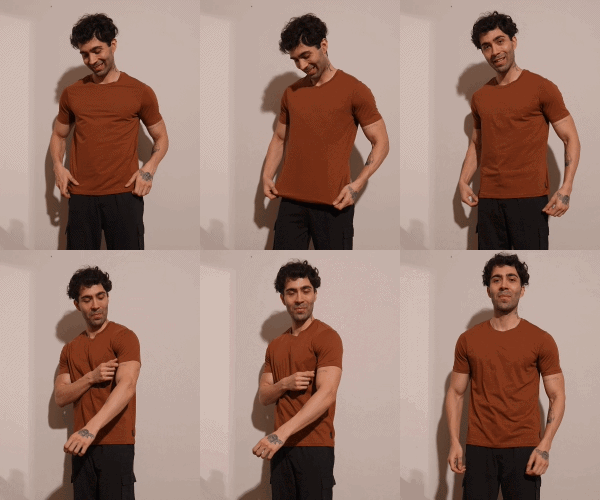
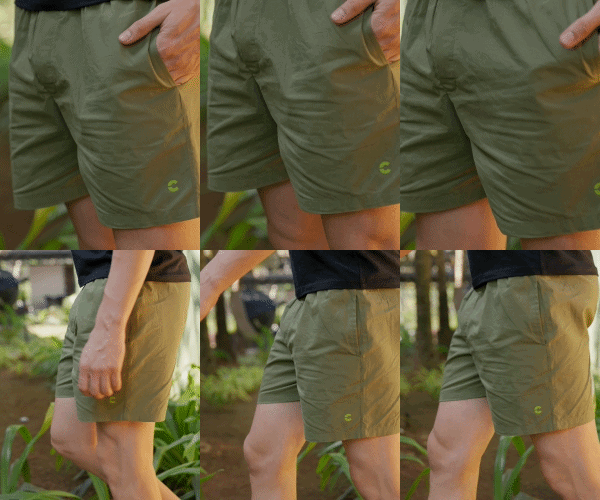


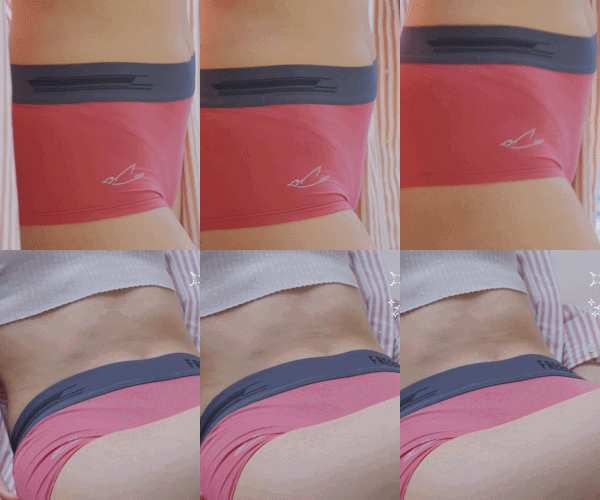
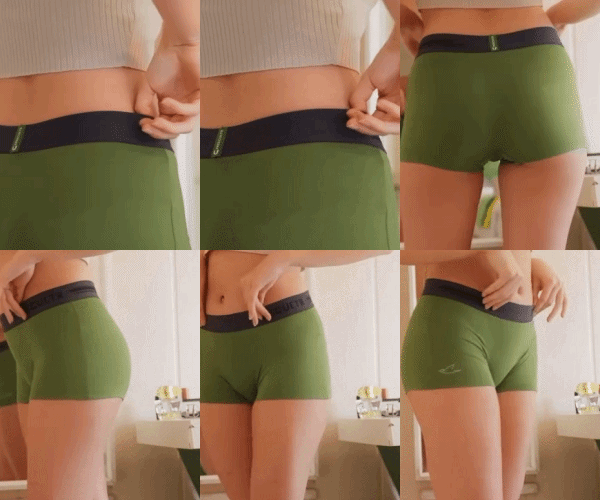
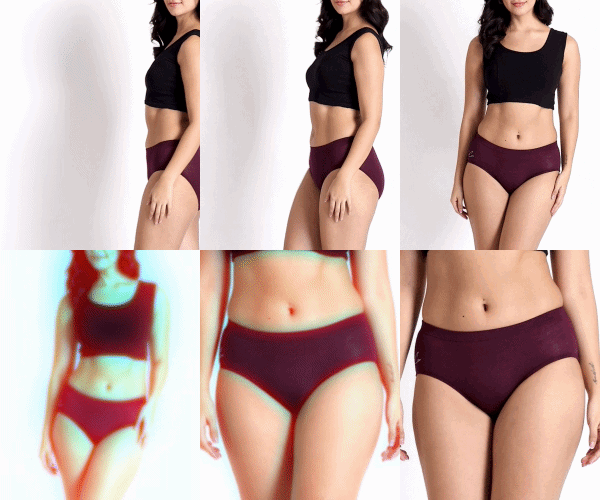


TL;DR: Marketing inner wear for startups like freecultr requires breaking intimacy barriers through authentic user-generated content, educational resources on fit and fabric technology, strategic influencer partnerships with brand-aligned voices, and interactive experiences like fit quizzes and virtual try-ons. Focus on building trust through transparency, body-positive messaging, and personalized content that positions your brand as both expert and ally. Start by collecting genuine customer testimonials and creating behind-the-scenes content that humanizes your brand story.
When freecultr entered the competitive inner wear space, they understood what many startups overlook: selling intimate apparel isn't just about product features—it's about earning permission to be part of someone's most personal decisions. The inner wear market is projected to reach $325 billion globally by 2025, yet 67% of consumers report dissatisfaction with how brands communicate about fit and comfort in this category.
This guide reveals the exact creative content strategies that transform skeptical browsers into loyal customers. You'll discover how to leverage authentic voices that resonate with your audience, create educational content that positions you as the go-to expert, partner with influencers who genuinely align with your values, and build interactive experiences that remove the guesswork from online inner wear shopping. Whether you're launching your first campaign or refining your approach, these tactics address the unique challenge every inner wear startup faces: building intimate trust at scale.
Leverage User-Generated Content and Authentic Testimonials to Build Trust and Overcome Intimacy Barriers in Inner Wear Marketing
User-generated content (UGC) transforms inner wear marketing by replacing brand-scripted messages with real customer voices, directly addressing the trust gap inherent in intimate apparel purchases. When potential buyers see authentic testimonials with photos, fit details, and body-type context from actual users, conversion rates increase because the content validates product claims through peer experience rather than advertising promises. Inner wear sits in a unique marketing position. You're asking strangers to trust you with their most personal clothing decisions. Traditional advertising falls flat here because polished studio shots don't answer the questions buyers actually have: Does this ride up? Will it show under fitted clothes? Does it actually fit my body type? We've seen startups double their conversion rates by shifting budget from professional photoshoots to UGC campaigns. The difference is stark. Real customers provide the social proof that studio models simply cannot.Building a UGC Engine That Generates Continuous Content
Start by making content creation irresistibly easy for your customers. Ship a small card with every order that includes:- A unique discount code they can share (15-20% works best)
- Simple photo prompts: "Show us your fit," "Tag us in your favorite outfit"
- Your Instagram handle and branded hashtag
- A QR code linking directly to a review submission page
Curating and Displaying UGC for Maximum Impact
Not all user content carries equal weight. Prioritize testimonials that include:- Specific body measurements or size details
- Comparison to other brands ("I usually wear X, but this fits like...")
- Lifestyle context (gym wear, office wear, all-day comfort)
- Photos showing the product under clothing, not just standalone
Incentivizing Reviews Without Compromising Authenticity
Offer rewards for reviews, but never for positive reviews. The distinction matters legally and ethically. Your incentive structure should reward participation, not sentiment. Test these approaches:- Loyalty points for any review with a photo (50-100 points)
- Entry into monthly giveaways for detailed reviews
- Early access to new collections for customers with 3+ reviews
- Featured customer spotlights on your blog or social channels
Create Educational Content Around Fit, Fabric Technology, and Body Positivity to Position Your Brand as an Expert Resource
Educational content in inner wear marketing establishes your startup as a trusted advisor rather than just another seller, directly addressing the knowledge gap most consumers face about fabric technology, proper fit, and body-inclusive sizing. By teaching customers how to choose inner wear based on their specific needs, activity levels, and body types, you build authority that translates to customer loyalty and higher lifetime value. Most inner wear brands treat their blog as an afterthought. That's a mistake. Your content library should function as the resource customers bookmark and return to, even before they're ready to buy.Fabric Technology Content That Actually Educates
Break down your materials in language real people use. Skip the marketing jargon. Instead of "moisture-wicking performance fabric," explain: "This fabric pulls sweat away from your skin and dries in 20 minutes, so you won't feel clammy during your commute." Create comparison guides that help customers choose:| Fabric Type | Best For | Avoid If | Care Level |
|---|---|---|---|
| Cotton Blends | All-day office wear, sensitive skin, breathability | High-intensity workouts, hot climates | Low (machine wash) |
| Modal/Bamboo | Soft feel, eco-conscious buyers, temperature regulation | Heavy sweating activities | Medium (gentle cycle) |
| Synthetic Performance | Gym, running, active lifestyles, quick-dry needs | Sensitive skin, odor concerns with extended wear | Low (machine wash) |
| Merino Wool | Travel, multi-day wear, odor resistance | Budget-conscious, warm climates | High (hand wash recommended) |
Fit Guides That Go Beyond Generic Size Charts
Standard size charts fail because bodies don't fit into neat S/M/L categories. Your fit content needs to address real body variations. Produce video guides showing:- How inner wear should actually fit (with visual examples of too tight, too loose, just right)
- Common fit problems and their solutions
- How to measure yourself accurately at home
- Style adjustments for different body types
Body Positivity Content That Feels Genuine, Not Performative
Body positivity has become marketing noise. Most brands slap "all bodies are beautiful" on their Instagram and call it inclusive marketing. That's not enough. Real inclusivity means:- Showing your actual size range on diverse body types, not just mid-size models
- Addressing specific fit challenges for different body shapes without euphemisms
- Featuring customers of various ages, not just 20-somethings
- Discussing real comfort issues (chafing, rolling, digging) openly
Building an Educational Content Calendar
Plan content around customer journey stages:- Awareness stage: "How to choose inner wear for your lifestyle" (broad, educational)
- Consideration stage: "Cotton vs. synthetic: which is right for you?" (comparison content)
- Decision stage: "Complete fit guide for [specific product]" (detailed, product-specific)
- Post-purchase: "How to care for your inner wear to make it last" (retention content)
Utilize Strategic Influencer Partnerships and Micro-Influencers Who Align with Your Brand Values for Targeted Reach
Micro-influencers with 5,000-50,000 followers deliver higher engagement rates and more authentic endorsements for inner wear startups than celebrity partnerships, because their audiences view them as trusted peers rather than paid advertisers. Strategic partnerships with influencers who genuinely align with your brand values create content that feels like a friend's recommendation rather than a sponsored post, directly addressing the intimacy barrier in inner wear marketing. Influencer marketing in the inner wear space requires a different approach than other fashion categories. You're not selling statement pieces that photograph well. You're selling comfort, fit, and confidence that mostly stays hidden under clothes.Identifying the Right Influencer Partners
Follower count is the wrong metric to prioritize. Engagement rate matters more. An influencer with 8,000 followers and 6% engagement will drive more conversions than one with 80,000 followers and 1.5% engagement. Look for influencers who:- Already discuss body image, comfort, or lifestyle topics naturally
- Have audiences that match your target demographic (age, location, interests)
- Post authentic, unpolished content alongside curated shots
- Engage genuinely with their comment sections
- Have worked with 2-3 brands max in the past six months (not serial promoters)
Structuring Partnerships That Feel Authentic
Rigid brand guidelines kill authenticity. When you hand an influencer a script and required talking points, their content becomes indistinguishable from an ad. Their audience knows it. Engagement drops. Instead, provide:- Product details and key features (let them choose what resonates)
- A few must-mention points (promo code, brand handle)
- Complete creative freedom for everything else
- Permission to be honest about fit or features
Compensation Models That Work for Startups
You don't need massive budgets to work with influencers. Micro-influencers often accept:- Free product plus a small flat fee ($100-$300 per post)
- Commission-based structures (15-20% of sales from their unique code)
- Product credit for future purchases
- Long-term ambassador programs with monthly product shipments
Measuring Influencer ROI Beyond Vanity Metrics
Likes and comments don't pay your bills. Track metrics that matter:- Unique discount code usage (direct attribution)
- Traffic from influencer profile links (use UTM parameters)
- New follower acquisition on your channels after influencer posts
- Engagement rate on influencer content compared to their average
- Customer lifetime value of influencer-referred customers vs. other channels
Develop Interactive and Personalized Content Experiences Including Fit Quizzes, Virtual Try-Ons, and Behind-the-Scenes Storytelling
Interactive content experiences like fit quizzes and virtual try-on tools reduce return rates by 20-35% for inner wear startups by helping customers make informed size and style decisions before purchase, while simultaneously collecting zero-party data that enables personalized marketing. Behind-the-scenes storytelling humanizes your brand and builds emotional connection, transforming a transactional relationship into a community-driven experience that drives repeat purchases. Static product pages don't cut it anymore. Customers expect personalization and interaction, especially when buying something as personal as inner wear.Fit Quizzes That Guide Purchase Decisions
A well-designed fit quiz serves two purposes: it helps customers find the right product, and it collects data you can use for segmentation and personalization. Your quiz should ask:- Body measurements (presented as ranges, not exact numbers to reduce friction)
- Fit preferences (snug, relaxed, somewhere in between)
- Primary use case (everyday wear, active, sleep, special occasions)
- Fabric preferences or sensitivities
- Current brand frustrations ("What problems are you trying to solve?")
Virtual Try-On Technology for Inner Wear
Virtual try-on for inner wear is trickier than for outerwear, but emerging AR technology makes it possible. Several platforms now offer body-mapping tools that let customers see how products will fit their specific measurements. If full AR is outside your budget, start simpler:- Size visualization tools that show product dimensions overlaid on common reference objects
- Mix-and-match tools for sets, letting customers see different top and bottom combinations
- Before-and-after sliders showing the product under different clothing types
- 360-degree product views showing how items look from all angles
Behind-the-Scenes Content That Builds Brand Connection
People buy from brands they feel connected to. Behind-the-scenes content creates that connection by showing the humans behind the product. Share your process:- How you source materials and why you chose specific suppliers
- Design iteration process (show the failed prototypes, not just the final product)
- Team introductions (who are the people making this happen?)
- Customer service highlights (how you solved a tricky customer problem)
- Packing and shipping process (it humanizes fulfillment)
Creating Personalized Email Experiences
Use the data from your fit quiz, purchase history, and browsing behavior to segment your email list. Generic blast emails get ignored. Personalized emails get opened. Segment by:- Product preferences (customers who buy performance wear vs. everyday comfort)
- Purchase frequency (first-time buyers vs. repeat customers)
- Engagement level (highly engaged vs. dormant)
- Size and fit needs (extended sizes, petite, tall)
Interactive Social Media Content
Turn your social media into a two-way conversation, not a broadcast channel. Try these interactive formats:- Instagram Stories polls asking followers to vote on new colors or styles
- Q&A sessions where your founder or designer answers questions live
- User challenges ("Show us your most comfortable outfit" with your inner wear as the foundation)
- This-or-that stories for product feedback
- Comment-to-unlock promotions (comment with an emoji to receive a discount code)
How Freecultr Exemplifies Creative Inner Wear Marketing
Freecultr stands out in the crowded inner wear market by executing many of these creative content strategies with remarkable consistency and authenticity. Their approach offers concrete lessons for startups looking to build brand presence in this category.What Freecultr Gets Right
Their content strategy centers on relatability rather than aspiration. Instead of using exclusively model-perfect imagery, Freecultr features real customer photos prominently on product pages and social channels. This UGC-first approach immediately addresses the trust barrier that plagues inner wear marketing. The brand's educational content goes deeper than most competitors. Their blog and social posts regularly break down fabric technology in accessible language, explaining why specific blends work better for Indian climates and lifestyles. This positions them as advisors, not just sellers. Freecultr's influencer partnerships feel organic because they work primarily with micro-influencers and everyday customers rather than celebrity endorsements. Their ambassador program turns loyal customers into brand advocates, creating a steady stream of authentic content that resonates with target audiences.The Body Positivity Execution
What makes Freecultr's body-positive messaging work is the specificity. They don't just claim to be inclusive. They show their full size range on diverse body types, address common fit challenges openly, and feature customers of various ages and builds in their marketing materials. Their product photography includes multiple body types for the same product, helping customers visualize how items will look on bodies similar to theirs. This practical approach to inclusivity drives conversions because it reduces purchase uncertainty.Community Building Through Content
Freecultr has built a genuine community around their brand by consistently engaging with customer content, responding to comments and reviews, and featuring customer stories. Their social media feels like a conversation rather than a sales pitch. They run regular interactive campaigns that encourage participation without feeling gimmicky. Fit quizzes help customers find the right products while collecting data for personalization. User challenges generate authentic content while strengthening community bonds. The brand's transparency about their manufacturing process and material sourcing builds trust. They share behind-the-scenes content showing how products are made, who makes them, and why specific design decisions were made. This openness differentiates them in a market where many brands remain faceless.Lessons for Other Startups
Freecultr's success demonstrates that inner wear marketing doesn't require massive budgets. It requires consistency, authenticity, and a genuine commitment to solving customer problems rather than just selling products. Their approach proves that educational content, user-generated testimonials, strategic micro-influencer partnerships, and interactive experiences can build a strong brand even in a competitive category. The key is execution. Many brands talk about these strategies. Freecultr actually implements them consistently.How to Implement Creative Content Strategies for Your Inner Wear Startup
Step 1: Audit Your Current Content and Identify Gaps Start by reviewing all existing content across your website, social media, email, and any other channels. Document what's working (high engagement, conversions, or traffic) and what's falling flat. Look specifically for these gaps: Do you have authentic customer photos and testimonials? Is your educational content answering real customer questions? Are you creating interactive experiences that help customers make confident purchase decisions? Use analytics to identify your highest-performing content pieces, then reverse-engineer why they worked. Was it the format, topic, tone, or distribution channel? This audit gives you a baseline and helps you prioritize which creative strategies to implement first based on your specific weaknesses. Step 2: Build Your UGC Collection System Create the infrastructure to collect user-generated content systematically. Design a post-purchase email sequence that triggers 10-14 days after delivery, asking for photos and reviews with clear incentives. Add a simple review card to your packaging with your Instagram handle, branded hashtag, and a unique discount code customers can share. Set up a dedicated email address and Instagram hashtag specifically for customer submissions. Create a simple submission form on your website where customers can upload photos and share their experience. Make the process take less than two minutes from start to finish. The easier you make it, the more content you'll collect. Step 3: Develop Your Educational Content Calendar Map out 12 weeks of educational content covering fit, fabric technology, and body positivity. Focus on answering the actual questions customers ask your support team or in product reviews. Create at least one comparison table, one detailed fit guide, and one fabric technology breakdown. Assign each piece of content to a specific stage of the customer journey. Awareness-stage content should be broad and helpful even to people who never buy from you. Decision-stage content should be product-specific and detailed. Schedule two substantial pieces per month rather than rushing to publish weekly fluff. Step 4: Launch a Micro-Influencer Test Campaign Identify 10-15 micro-influencers whose audiences align with your target customers and whose content style feels authentic. Send each a personalized message explaining why you think they'd genuinely like your product, then offer to send free product with no posting requirements. Track which influencers post organically. Those are your ideal partners for paid collaborations. Reach out to the top 3-5 with a simple partnership proposal: a small flat fee plus commission on sales from their unique discount code. Start with a single-post test before committing to longer-term ambassador programs. Step 5: Create One Interactive Tool Build a fit quiz as your first interactive experience. Keep it to 6-8 questions maximum, focusing on the information you actually need to recommend the right products. Use a tool like Typeform or Octane AI if you need a quick, affordable solution. Design the results page to recommend 2-3 specific products with clear explanations of why each was recommended based on the customer's answers. Collect email addresses at the end so you can follow up with personalized recommendations. Use the quiz data to segment your email list for more targeted campaigns.Conclusion
Successfully marketing inner wear as a startup requires blending authenticity, education, and personalization through user-generated content, expert positioning around fit and fabric, strategic influencer collaborations, and interactive experiences like virtual try-ons that address the unique intimacy barriers of this category. Your brand won't succeed by shouting louder than competitors. It'll win by listening closer to what customers actually need. Start with one authentic testimonial from a real customer who felt seen by your product. Build from there. Create a simple fit quiz that helps shoppers understand their body type without judgment. Partner with a micro-influencer whose values mirror yours, not just someone with high follower counts. These aren't just tactics. They're trust-building blocks that turn curious browsers into loyal advocates. The inner wear market rewards brands that make people feel confident and understood. According to recent industry research, 78% of consumers trust peer recommendations over branded content, which is why user-generated stories matter so much in this space. Your startup has an advantage legacy brands don't: agility. You can test bold content ideas, pivot quickly, and speak directly to underserved communities craving representation. Tools like Canva and Instagram Reels make professional-quality content accessible on startup budgets. Don't wait for perfect. Launch your first behind-the-scenes video this week. Ask three happy customers to share their stories. Test one educational post about fabric breathability. Small, consistent creative actions compound into market presence. Your audience is out there, scrolling right now, waiting for a brand that gets them. Be that brand. Start today, refine tomorrow, and watch your community grow around content that genuinely serves them. Remember, fit matters as much in marketing as it does in product, so check out how to achieve the perfect bra fitting and how to use a size chart of underwear for additional insights that can inform your educational content strategy.About freecultr
freecultr is a pioneering fashion brand redefining comfort and style in the inner wear and casual apparel space through innovative fabric technology and inclusive design philosophy. With a deep commitment to body positivity and customer-centric innovation, freecultr has established itself as a trusted authority in creating garments that celebrate every body type while delivering exceptional quality. The brand's expertise spans advanced moisture-wicking materials, ergonomic fit engineering, and transparent manufacturing practices that set new industry standards for accessible, premium fashion.
More Articles
How to Achieve the Perfect Bra Fitting for Ultimate Comfort and StyleHow to Prevent and Treat Underwear Chafing Solutions That Actually Work
How to Use a Size Chart of Underwear to Find Your Perfect Fit
The Complete Underwear Men Size Chart Guide to Find Your Perfect Fit
FAQs
How do I make inner wear content without being awkward?
Focus on comfort, fit, and lifestyle benefits rather than just the product itself. Use real customer testimonials, body-positive messaging, and relatable scenarios like 'all-day comfort at work' to create authentic connections that feel natural rather than forced.
What type of content works best for inner wear startups on social media?
Behind-the-scenes content showing your design process, fabric selection, and quality testing performs really well. Mix in user-generated content, fit guides, and educational posts about fabric care to build trust and engagement with your audience.
Should I use influencers to market my inner wear brand?
Yes, but choose micro-influencers who align with your brand values and have engaged audiences. Authentic reviews from real people convert better than celebrity endorsements for intimate apparel, especially when you're building initial trust as a startup.
How can I create content that stands out from big inner wear brands?
Tell your unique founder story, highlight what makes your products different, and build a community around specific values like sustainability or inclusivity. Startups can be more personal, responsive, and niche-focused than established competitors.
What's the best way to handle product photography for inner wear?
Use diverse body types and skin tones in your photos to show inclusivity. Combine lifestyle shots showing the product in real situations with clean product-only images, and always ensure lighting and angles present your items professionally yet authentically.
Can I use humor in my inner wear marketing content?
Absolutely, when done tastefully. Light humor about everyday struggles like uncomfortable bras or awkward adjusting moments resonates well. Just keep it relatable and respectful, avoiding anything that might make your audience uncomfortable or objectified.
How often should I post content about my inner wear products?
Aim for consistency over frequency. Posting 3-4 times weekly with quality content beats daily low-effort posts. Mix product features with educational content, customer stories, and brand values to keep your feed interesting without overwhelming your audience.
What content mistakes should inner wear startups avoid?
Avoid overly sexualized imagery, ignoring size diversity, or making unrealistic body promises. Don't copy big brands' strategies blindly or neglect customer feedback. Stay away from pushy sales language and focus on building genuine relationships with your community instead.

