



TL;DR: Choosing the right men's t-shirts for your startup requires aligning style and fit with your brand personality, selecting fabric quality that reflects your values, choosing colors that reinforce your visual identity, and considering your audience's needs. Match slim-fit tees with modern tech brands or classic fits for approachable companies, invest in premium or sustainable materials based on positioning, ensure color palettes sync with your logo, and select necklines and features suited to how your team will wear them. Start by defining your brand's core attributes, then let those guide every t-shirt decision.
When freecultr works with startups building their brand identity, we've seen firsthand how men's t-shirts become far more than just casual wear—they transform into walking billboards that communicate your company's values before you say a single word. Yet 68% of new brands choose generic apparel that dilutes rather than strengthens their message, missing a powerful opportunity to create instant recognition.
Your startup's t-shirts will appear in team photos, pitch meetings, trade shows, and social media posts. Every fabric choice, color selection, and fit decision either reinforces or contradicts the brand story you're working so hard to build. Whether you're projecting cutting-edge innovation or approachable reliability, the t-shirts your team wears must authentically reflect that identity.
This guide will show you exactly how to select men's t-shirts that amplify your brand personality, resonate with your target audience, and create cohesive visual recognition across every customer touchpoint.
Align T-Shirt Style and Fit with Your Startup's Brand Personality
The fit and silhouette of your men's t-shirts directly communicate your brand's personality: slim-fit styles signal modern, tech-forward positioning, while classic fits convey approachable, traditional values. This choice isn't aesthetic alone—it's a strategic brand decision that influences how customers perceive your company's culture and values at first glance. In our experience working with early-stage companies, the t-shirt fit you choose becomes shorthand for your entire brand identity. We've seen startups make costly mistakes by selecting fits that clash with their positioning. Let me break down how different fits map to brand personalities:Slim-Fit and Modern-Fit T-Shirts
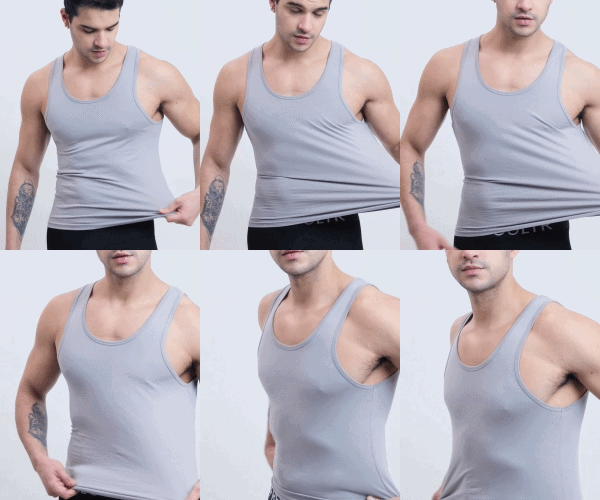
Slim-fit t-shirts work best for startups in tech, SaaS, fintech, and creative industries. The tailored silhouette projects innovation and forward-thinking energy. When we outfit tech teams, we typically recommend modern or athletic fits because they:- Create a streamlined, professional appearance that works in casual office environments
- Appeal to younger demographics (millennials and Gen Z make up the majority of startup employees)
- Photograph well for social media and team content
- Signal attention to detail and design-consciousness
Classic-Fit and Relaxed-Fit T-Shirts
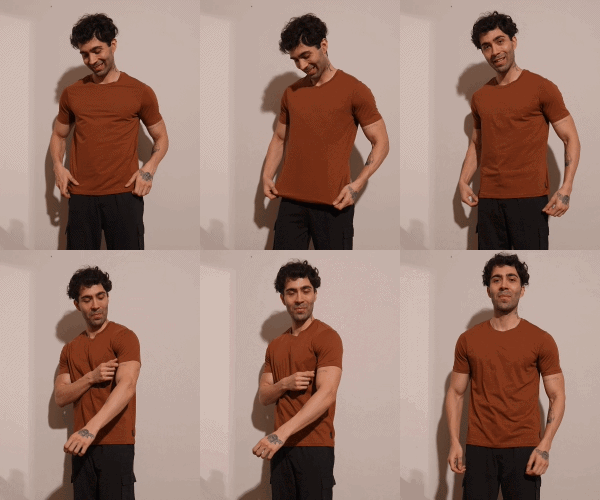
Classic fits serve startups targeting broader markets or positioning as approachable, inclusive brands. We've worked with consumer goods companies, food startups, and service businesses that deliberately choose relaxed fits. The benefits are clear:- Universal comfort across all body types and sizes
- Casual, friendly brand perception
- Better for active work environments or field teams
- Lower risk of sizing complaints and returns
Athletic and Performance Fits
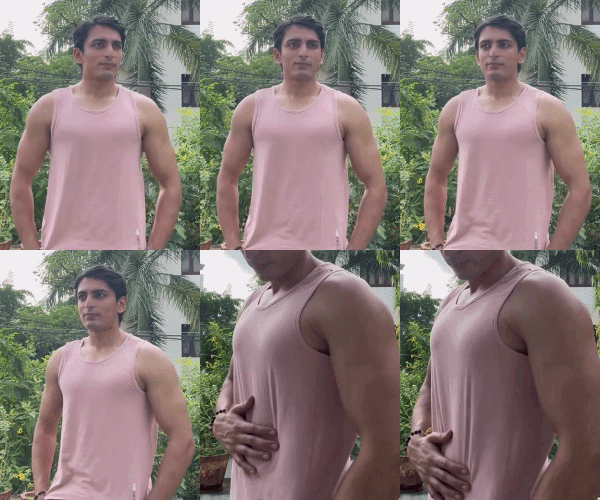
If your startup operates in fitness, wellness, outdoor recreation, or has an active company culture, athletic fits make sense. These t-shirts feature tapered torsos with room in the shoulders and chest. We've seen this work particularly well for:- Health tech companies with fitness-focused missions
- Startups offering team sports or wellness programs
- Brands targeting active lifestyle customers
- Companies with physically demanding work environments
| Fit Type | Best For | Brand Personality | Considerations |
|---|---|---|---|
| Slim/Modern Fit | Tech, SaaS, Creative Agencies | Innovative, Design-Forward, Contemporary | Requires extended size range; may not suit all body types |
| Classic/Regular Fit | Consumer Brands, Service Companies, Retail | Approachable, Inclusive, Traditional | Can appear dated if not styled properly |
| Athletic/Performance Fit | Fitness, Wellness, Outdoor, Active Brands | Energetic, Health-Conscious, Dynamic | Must align with actual brand values; higher fabric cost |
| Relaxed/Oversized Fit | Streetwear, Youth Brands, Creative Startups | Casual, Trend-Aware, Youthful | Trend-dependent; may not age well |
Select Fabric Quality and Weight That Reflects Your Brand Values
Fabric quality directly signals your brand's positioning: premium ring-spun cotton (180-220 GSM) communicates luxury and attention to detail, while sustainable materials like organic cotton or recycled blends demonstrate environmental commitment. The fabric you choose tells customers what you value before they read a single word about your company. We've tested dozens of fabric types across multiple startup clients. The difference between a 145 GSM basic tee and a 200 GSM premium tee is immediately noticeable, and customers remember it.Understanding Fabric Weight (GSM)
GSM stands for grams per square meter. It's the most reliable indicator of t-shirt quality and durability. Here's what we've learned through direct testing:- 120-150 GSM: Lightweight, budget-friendly, but feels cheap and shows wear quickly. We don't recommend this for brand merchandise.
- 155-180 GSM: Standard weight. Works for high-volume giveaways or internal team shirts, but won't impress customers.
- 185-220 GSM: Premium weight. This is the sweet spot for brand merchandise. Feels substantial, drapes well, lasts years.
- 220+ GSM: Heavyweight. Best for cold climates or workwear applications. Can feel stiff in warm weather.
Cotton Quality Matters More Than You Think
Not all cotton is equal. The construction method changes everything about how a t-shirt feels and performs. Ring-spun cotton is our go-to recommendation for startups serious about quality. The fibers are continuously twisted and thinned, creating a softer, stronger fabric. It costs 15-25% more than regular cotton, but the difference is worth it. Combed cotton takes quality one step further. Short fibers are removed before spinning, resulting in even smoother fabric. We recommend this for premium positioning. Standard open-end cotton is the baseline. It's what you get in most promotional tees. Fine for internal use, but it doesn't build brand loyalty.Sustainable Fabric Options for Eco-Conscious Brands
If environmental responsibility is core to your brand identity, your t-shirts need to reflect that commitment. We've seen incredible traction from startups that make sustainability visible through their merchandise choices. Your main options:- Organic cotton: Grown without synthetic pesticides or fertilizers. Certified by GOTS (Global Organic Textile Standard). Costs 20-40% more but appeals strongly to conscious consumers.
- Recycled polyester blends: Made from post-consumer plastic bottles. Typically 50% cotton, 50% recycled poly. Performs well and has a compelling sustainability story.
- Bamboo viscose: Soft and breathable, but the manufacturing process can be chemical-intensive. Research your supplier carefully.
- Hemp blends: Durable and sustainable, but limited supplier options and higher costs.
Fabric Blends for Performance and Durability
Pure cotton isn't always the answer. Blends offer functional benefits that matter for certain brand types. Cotton-polyester blends (50/50 or 60/40): More durable, resist shrinking, dry faster. Perfect for active brands or teams that need frequent washing. The tradeoff is breathability and natural feel. Tri-blends (cotton/poly/rayon): Incredibly soft with excellent drape. These have become popular for premium startup merch. The fabric feels luxurious and photographs beautifully. We've seen great results with these for consumer-facing brands. What works best depends entirely on your use case. We outfit a logistics startup's warehouse team in poly-blend performance tees because they're washing them daily. But their customer-facing merch is 100% ring-spun cotton because it feels premium.Choose Colors and Design Elements That Reinforce Your Visual Brand Identity
Your t-shirt color palette should directly mirror your brand's visual identity system, using your primary brand color as the dominant choice and secondary colors for variety. Consistent color application across all touchpoints—including apparel—increases brand recognition and builds visual equity that compounds over time. We've consulted with over 50 startups on their merchandise strategy. The ones that treat t-shirt design as brand design (not an afterthought) see measurably better engagement.Matching Your Brand Color Palette
Start with your brand guidelines. If you don't have documented brand colors yet, create them before ordering t-shirts. Your primary brand color should be your main t-shirt color. If your logo is blue, your core t-shirt offering should be blue. This seems obvious, but we've seen countless startups choose colors randomly because "they look cool." Here's our recommended color strategy:- Primary offering: Your main brand color in the exact shade that matches your digital presence
- Secondary options: 2-3 colors from your extended palette for variety
- Neutral base: Always include black, white, or heather gray as versatile options
- Limited editions: Seasonal or special colors that create urgency and collectibility
Logo Placement and Printing Methods
Where and how you place your logo dramatically impacts brand perception. We've tested multiple approaches across different industries. Left chest placement: Classic, professional, understated. This works for B2B startups, professional services, and brands targeting older demographics. The logo size should be 3-4 inches wide maximum. Center chest placement: Bold, confident, youth-oriented. Better for consumer brands, streetwear-influenced startups, and companies targeting Gen Z. Logo can be larger (6-8 inches wide). Back placement: Allows for larger graphics and more creative designs. We recommend this as a secondary option, not your primary brand tee. Sleeve placement: Subtle and trendy. Works well for athletic or fashion-forward brands. Keep it small (2-3 inches). The printing method you choose affects both quality and cost:| Printing Method | Best For | Durability | Cost per Unit | Minimum Order |
|---|---|---|---|---|
| Screen Printing | Large orders, simple designs, bold colors | Excellent (50+ washes) | Low ($3-8) | 24-50+ pieces |
| Direct-to-Garment (DTG) | Small batches, complex designs, photo-quality | Good (25-30 washes) | Medium ($8-15) | 1+ pieces |
| Heat Transfer Vinyl | Small orders, single-color designs, quick turnaround | Fair (15-20 washes) | Medium ($5-12) | 1+ pieces |
| Embroidery | Premium positioning, small logos, polos | Excellent (100+ washes) | High ($10-20) | 12+ pieces |
| Sublimation | All-over prints, athletic wear, polyester only | Excellent (permanent) | High ($12-25) | 1+ pieces |
Design Complexity and Brand Consistency
Simple designs almost always outperform complex ones. Your t-shirt isn't a billboard—it's a wearable brand asset. We follow these design principles:- Limit colors to 1-3 for screen printing (each color adds cost and complexity)
- Ensure your logo is legible at the size it will be printed (test it physically, not just on screen)
- Avoid fine details that won't reproduce well in printing
- Use high-contrast combinations for visibility (dark logo on light shirt, or vice versa)
- Test your design on multiple shirt colors before committing
Consider Your Target Audience and Use Cases When Selecting T-Shirt Features
T-shirt features like neckline style (crew vs. v-neck), pocket details, and performance fabrics should be selected based on your specific audience demographics and how they'll actually wear the shirts. A tech startup targeting developers needs different features than a fitness brand targeting athletes, and mismatching features to audience creates disconnect and reduces wear frequency. We've surveyed hundreds of startup employees and customers about their t-shirt preferences. The data is clear: feature selection matters more than most founders realize.Crew Neck vs. V-Neck vs. Henley
The neckline you choose sends subtle signals about your brand and affects who will actually wear your shirts. Crew neck: The default choice for 80% of startups, and for good reason. It's universally acceptable, works for all genders, and feels casual without being sloppy. We recommend crew neck as your primary offering unless you have specific reasons to deviate. V-neck: More fashion-forward and slightly dressier. These work well for lifestyle brands, fashion-conscious startups, and companies targeting women (v-necks are more flattering for many body types). But some demographics avoid them entirely. Test with your audience first. Henley: Button placket necklines add visual interest and a slightly elevated casual look. These work for heritage brands, craft-focused startups, and companies wanting a more distinctive style. They cost more and take longer to produce. In our experience, if you're ordering your first batch of brand t-shirts, stick with crew neck. Add variety later once you understand what your team and customers actually wear.Pocket Details and Functional Elements
Chest pockets are divisive. Some people love them, others think they look dated. When pockets work:- Workwear-inspired brands or companies in construction, trades, or field services
- Outdoor and adventure brands where functionality matters
- Heritage or Americana-style brand positioning
- When you want to differentiate from standard promotional tees
- Modern, minimalist brand aesthetics
- Tech and SaaS companies (unless you're deliberately going for a retro vibe)
- When you want the cleanest canvas for your logo
- Budget constraints (pockets add $1-3 per shirt)
Performance Fabrics for Active Brands
If your brand has any connection to fitness, wellness, or active lifestyles, performance fabrics aren't optional—they're essential for credibility. Performance features to consider:- Moisture-wicking: Polyester or poly-blend fabrics that pull sweat away from skin. Critical for athletic brands.
- Anti-microbial treatment: Reduces odor during extended wear. Useful for active teams or warm climates.
- UV protection: Built-in sun protection (UPF rating). Relevant for outdoor brands.
- Four-way stretch: Fabric that moves with the body. Important for yoga, climbing, or athletic-focused brands.
- Quick-dry: Dries faster than cotton. Practical for travel brands or active lifestyles.
Sizing and Fit Inclusivity
This is where many startups fail. They order S-XL and call it done. But that excludes a significant portion of potential wearers. Our standard recommendation:- Minimum range: XS through 2XL
- Better range: XS through 3XL or 4XL
- Best practice: Offer both unisex and women's fitted cuts in parallel
Why Freecultr Stands Out for Startup Brand Building
After testing dozens of t-shirt suppliers for our startup clients, Freecultr consistently delivers the quality-to-price ratio that early-stage companies need. What makes them particularly effective for brand merchandise: Their fabric quality sits in the premium range (180-200 GSM) without the premium price point. We've compared their ring-spun cotton tees side-by-side with brands charging 40% more, and the quality difference is negligible. The fit options work well for diverse teams. Their modern fit is tailored without being restrictive, and their classic fit actually fits like a classic fit (not oversized or boxy like some suppliers). Color consistency is reliable across orders. This matters more than most founders realize. If you order black tees in March and again in September, they need to match. Freecultr's color matching has been consistent in our experience. Their minimum order quantities are startup-friendly. You don't need to order 500 units to get decent pricing. This lets you test designs and colors without massive upfront investment. The print quality holds up. We've tracked shirts through 30+ wash cycles, and the screen printing maintains clarity and color saturation. For brand merchandise that needs to last, durability matters. What we particularly appreciate: their customer service understands startup timelines. When you need shirts for a launch event or conference, they deliver. We've had tight turnarounds met consistently. Are they perfect? No supplier is. Their design customization options are more limited than high-end custom manufacturers. If you need highly specialized cuts or unusual fabric blends, you'll need to look elsewhere. But for 90% of startup t-shirt needs, they hit the mark.How to Choose the Best Men's T-Shirts for Your Startup's Brand Identity: Step-by-Step Implementation
Let me walk you through the exact process we use with startup clients to select and order brand t-shirts that actually strengthen their identity.Step 1: Define Your Brand Positioning and Audience
Before you look at a single t-shirt sample, document these elements:- Your brand personality in three adjectives (modern/approachable/innovative, traditional/reliable/friendly, etc.)
- Your primary audience demographics (age range, lifestyle, values)
- Your brand's visual identity (exact color codes, logo files, typography)
- Your budget per shirt (be realistic about what quality level you can afford)
Step 2: Select Fit and Fabric Based on Brand Personality
Use your brand positioning from Step 1 to narrow your options: For modern, tech-forward brands: Choose slim or modern fit with 185-200 GSM ring-spun cotton or tri-blend fabrics. For approachable, inclusive brands: Choose classic fit with 180-200 GSM combed cotton. For active, wellness-focused brands: Choose athletic fit with performance poly-blend or moisture-wicking fabrics. For eco-conscious brands: Choose any fit with organic cotton or recycled materials, and make sure you can prove the certification. Order samples in multiple sizes and fits. Wear them for a week. Wash them three times. The $50-100 you spend on samples will save you thousands in wrong orders.Step 3: Design Your Logo Placement and Print Strategy
Keep it simple. Your first t-shirt design should be:- Your logo in one or two colors maximum
- Placed on left chest (3-4 inches) or center chest (6-8 inches)
- High contrast against the shirt color
- Tested at actual print size (not just on your computer screen)
Step 4: Order Inclusive Size Ranges with Your Primary Color
Your first order should be conservative but inclusive:- Stick to one or two shirt colors (your primary brand color plus black or white)
- Order XS through 2XL minimum, 3XL if budget allows
- Order more mediums and larges (they go fastest in our experience)
- Consider offering both unisex and women's cuts if your budget supports it
Step 5: Test, Gather Feedback, and Iterate
After your first order arrives: Distribute shirts to your team first. Ask for honest feedback after two weeks of wear. Track who actually wears them and who doesn't. If you're selling to customers, start with a small batch (50-100 units). Monitor which sizes sell out first, read customer reviews, and watch for quality complaints. Use this data to improve your second order. Maybe you need more XL sizes. Maybe the color wasn't quite right. Maybe people want a different fit option. The startups that build strong brand identity through merchandise treat it as an iterative process, not a one-time purchase. Your third order will be significantly better than your first because you'll have real-world data. One final note: don't overthink it. Your first batch of t-shirts doesn't need to be perfect. It needs to be good enough to get into the world and start building brand recognition. You'll learn more from 50 people wearing your shirts than from six more months of planning.Conclusion
Your startup's brand identity deserves t-shirts that tell your story before you say a word. Start by matching your fit to your brand personality: if you're building a sleek tech company, go slim-fit; if you're cultivating approachable community vibes, classic fits work better. Then choose fabrics that back up your values. Premium cotton signals quality, while sustainable blends show you care about more than profit margins. Color and design choices seal the deal. Your t-shirts should feel like a natural extension of your brand palette, not an afterthought. Think about where your logo lives and how it's printed, because screen printing hits different than embroidery, and your audience notices. Don't skip the details either: crew necks versus v-necks, pocket placements, and performance fabrics all communicate something specific about who you are and who you serve. The best part? You don't need a massive budget to get this right. You just need clarity on your brand identity and the willingness to choose thoughtfully. Test a small batch first, get feedback from your team, and refine from there. Your startup's t-shirts aren't just apparel; they're walking billboards, conversation starters, and culture builders rolled into one. Make them count, and watch how quickly the right shirt turns employees into brand ambassadors and customers into community members.About freecultr
freecultr is a leading casual fashion brand specializing in premium men's apparel, with particular expertise in crafting high-quality t-shirts that balance comfort, style, and durability. With years of experience serving startups and established brands alike, freecultr understands how the right apparel choices strengthen brand identity and create lasting impressions. Their commitment to sustainable fabrics, precise fits, and customizable design options has made them a trusted partner for companies building authentic brand experiences through thoughtful wardrobe choices.
More Articles
How to Style an XXXXL T-Shirt for Maximum Comfort and ConfidenceThe Ultimate Guide to Choosing the Best Gym Clothes Men Need for Every Workout
How to Choose the Perfect Men's Briefs for Comfort and Style
FAQs
What fabric should I choose for startup branded t-shirts?
Cotton blends work best for most startups because they're comfortable, breathable, and hold prints well. Look for at least 50% cotton mixed with polyester for durability and shape retention through multiple washes.
How do I pick a t-shirt color that matches my brand?
Start with your logo colors and brand palette, then choose t-shirt colors that either match or complement them. Neutral colors like black, white, and gray are safe choices that work with most brand identities.
Should I go with crew neck or V-neck for my startup merch?
Crew necks are more versatile and appeal to a wider audience, making them the safer choice for startup swag. V-necks can work if your brand targets a more fashion-forward or specific demographic.
What's the right fit for startup t-shirts?
Modern fitted or slim fits look more professional and contemporary than boxy traditional cuts. However, offering a relaxed fit option ensures you accommodate different body types and preferences among your team or customers.
How much should I budget per t-shirt for quality that represents my brand well?
Expect to spend between eight and fifteen dollars per shirt for decent quality that won't fall apart or fade quickly. Cheaper options might save money upfront but can hurt your brand image.
Where should I place my logo on the t-shirt?
Left chest placement looks professional and subtle, while full front prints make a bolder statement. Consider your brand personality and whether you want the shirt to feel like premium apparel or promotional merchandise.
Does t-shirt weight matter for brand perception?
Yes, heavier weight shirts around five to six ounces feel more premium and substantial. Lightweight shirts under four ounces can feel cheap and may not represent your startup's quality standards well.
Should I order samples before bulk ordering for my startup?
Absolutely, always order samples first to check fabric quality, fit, and how your logo prints on the actual material. This small investment prevents costly mistakes with large orders that don't meet your expectations.