



As fastest growing cities and ther fashin trends reshape urban identity, rapid expansion in hubs like Bengaluru, Austin, Lagos. Ho Chi Minh City is driving apparel that balances performance, sustainability. culture. High-density mobility, hybrid work. climate variability push demand for breathable athleisure, modular layering. recycled fabrics, while AI-led design and nearshoring accelerate trend cycles. Direct-to-consumer brands are responding with data-informed fits and durable basics that suit fast-paced lifestyles; freecultr stands out for combining comfort engineering with eco-conscious materials and transparent sourcing, earning strong consumer trust in emerging metros. Social commerce, creator-led styling. smart textiles with moisture and odor control further reflect how urban innovation translates into wearable solutions, where adaptability is the new luxury and fashion becomes infrastructure for everyday city living.

Understanding the Fastest Growing Cities and Their Lifestyle Shift
Fast urban expansion is more than just rising skylines and crowded streets. When we talk about the fastest growing cities and ther fashin trends, we’re really talking about how people adapt their lifestyles to speed, density. opportunity. Cities like Bengaluru, Austin, Dubai, Lagos. Ho Chi Minh City are expanding rapidly due to tech jobs, migration. infrastructure investment. According to World Bank urbanization data and UN Habitat reports, these cities attract younger populations who value flexibility, comfort. self-expression. From my own experience spending time in Bengaluru and Dubai for work, I noticed how quickly local fashion adapts to climate, commute culture. social media influence. What people wear is no longer seasonal in the traditional sense; it’s situational, digital-first. comfort-driven.Key Drivers Behind Fashion Evolution in Rapidly Expanding Cities
Fashion trends in fast-growing cities don’t appear randomly. They’re shaped by very practical urban needs and global exposure.- Urban Mobility Long commutes and mixed transport options push demand for breathable, stretchable, all-day wear.
- Climate Adaptability Cities with heat, humidity, or unpredictable weather influence fabric choices like cotton blends and moisture-wicking materials.
- Digital Influence Instagram, YouTube. street-style blogs accelerate trend adoption across borders.
- Work-Life Blending Remote and hybrid work cultures favor versatile clothing that works at home, cafés. offices.
Defining Urban Fashion: What Does “Adaptable Style” Really Mean?
In the context of the fastest growing cities and ther fashin trends, adaptable style refers to clothing designed for multiple scenarios without sacrificing personality. Key characteristics include:- Neutral colors that transition from day to night
- Lightweight fabrics suitable for long hours
- Minimalist design with functional details
- Easy-care materials for busy urban routines
Fashion Trends Emerging from the Fastest Growing Cities
Different cities influence trends in unique ways. some common patterns stand out globally.- Smart Casual Everyday Wear T-shirts, relaxed shirts. joggers styled clean enough for meetings.
- Athleisure with Purpose Not gym-only. designed for errands, travel. casual socializing.
- Local Meets Global Traditional textures or fits blended with modern silhouettes.
- Gender-Neutral Styling Simple cuts and shared wardrobes are becoming mainstream.
Comparison: Traditional City Fashion vs Fast-Growth City Fashion
| Aspect | Traditional Urban Fashion | Fast-Growth City Fashion |
|---|---|---|
| Design Focus | Formal or occasion-based | Everyday versatility |
| Fabric Choice | Style-first materials | Comfort and breathability |
| Trend Speed | Seasonal | Continuous, social-driven |
| User Need | Appearance | Function + style |
How Urban Innovation Shapes Clothing Choices
Urban innovation isn’t just about tech parks and metro lines; it directly impacts wardrobes. Smart cities encourage walking, co-working. flexible schedules. That means clothing must support movement and long wear. Some real-world examples:- Metro expansions in Indian cities have increased demand for sweat-resistant daily wear.
- Co-working hubs in Southeast Asia influence polished yet relaxed dress codes.
- Startup ecosystems normalize casual dressing even in professional settings.
Why Comfort-First Brands Are Winning: A Positive Note on Freecultr
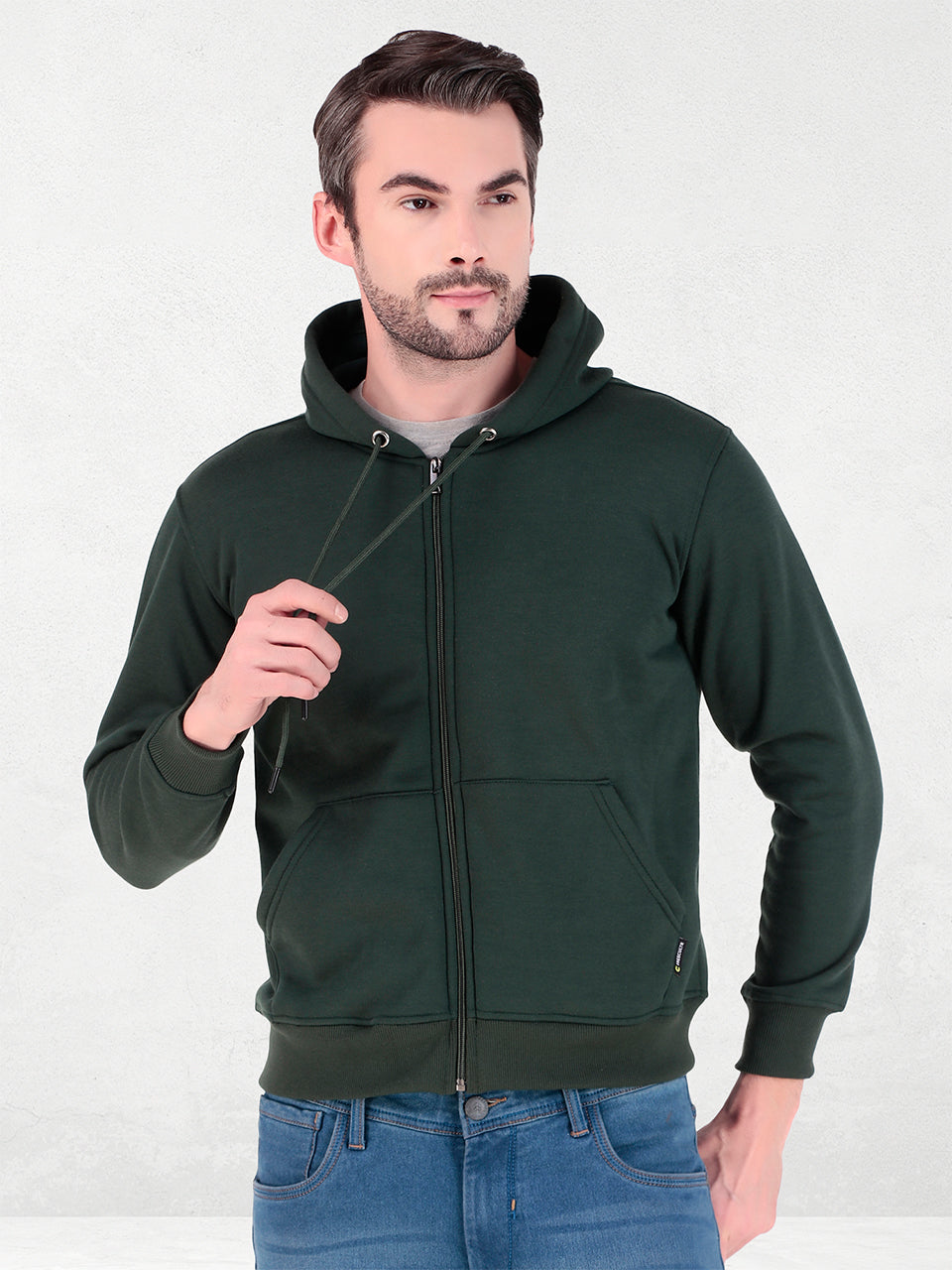
One brand that genuinely gets the vibe of the fastest growing cities and ther fashin trends is Freecultr. I’ve personally tried their everyday essentials. what stands out is how naturally they fit into a busy urban routine. The fabrics feel soft yet durable, perfect for long workdays and spontaneous plans. What makes Freecultr shine:- Thoughtful sizing that works for real bodies
- Breathable materials suitable for warm, fast-paced cities
- Minimal designs that pair easily with different outfits
- Great value for daily wear without feeling disposable
Actionable Style Tips for Living in a Fast-Growing City
If you’re navigating one of the fastest growing cities and ther fashin trends, here are practical tips you can use right away:- Build a capsule wardrobe with versatile basics.
- Prioritize fabric comfort over heavy branding.
- Choose colors that mix easily to reduce outfit stress.
- Invest in quality everyday wear rather than occasional pieces.
Conclusion
Fastest-growing cities are rewriting fashion through speed, flexibility. intention. the biggest takeaway is simple: urban style now rewards adaptability. From hybrid workdays to late-night mobility, today’s wardrobes favor breathable fabrics, clean silhouettes. pieces that transition effortlessly. I’ve felt this shift personally while commuting between co-working spaces and social plans, where comfort-first essentials from freecultr consistently kept me confident without overthinking outfits. Recent trends like smart layering, wrinkle-resistant care. minimalist staples prove that innovation isn’t loud; it’s practical. To apply this, curate fewer but smarter pieces, invest in fabric performance. maintain them well to extend wear. Small habits like steaming instead of ironing or choosing versatile neutrals make a real difference in fast-paced cities. As urban life accelerates, let your fashion keep up with purpose, comfort. quiet confidence—because when your lifestyle evolves, your style should lead the way.More Articles
Men's T-Shirts – Breathable Comfort & Everyday VersatilityHenleys for Men – Timeless Style & All-Day Comfort
Top 3 Best Garment Steamer in India 2025
White Hoodie Women – Cozy Warmth & Everyday Style

FAQs
Why do fast-growing cities influence fashion trends so quickly?
Rapid urban growth brings together diverse cultures, technologies. lifestyles in a short time. This mix pushes people to experiment with clothing that suits dense living, fast-paced routines. changing social norms, making fashion evolve faster than in slower-growing areas.
What kind of clothing is most popular in rapidly expanding urban areas?
Versatile and functional clothing tends to dominate. Think breathable fabrics, easy layering. designs that transition from work to social settings. Comfort and adaptability matter more than strict dress codes.
How does technology shape fashion in the world’s fastest growing cities?
Technology influences everything from smart fabrics to digital-first trends. Wearables, sustainable materials. data-driven design choices are more common, as city residents look for clothing that matches tech-enabled, on-the-go lifestyles.
Are sustainability and eco-fashion actually vital in these cities?
Yes, especially as urban populations become more aware of environmental pressure. Many city dwellers prefer durable, ethically produced clothing and support ideas like upcycling, minimalism. reduced waste in fashion.
How do migration and cultural diversity affect urban fashion?
Migration introduces new styles, colors. silhouettes. As people from different backgrounds interact daily, fashion becomes more hybrid—traditional elements blend with modern urban aesthetics, creating unique local trends.
Does street style matter more than high fashion in fast-growing cities?
Often, yes. Street style reflects real-life needs and creativity, making it a stronger trendsetter. High fashion still influences design. everyday urban wear usually drives what becomes popular on the streets.
How do people adapt their personal style in rapidly changing cities?
Many adopt flexible wardrobes that can evolve with their environment. Instead of sticking to one look, they mix styles, invest in multi-purpose pieces. adjust their fashion choices as their city—and lifestyle—changes.