








Quick Summary
- A face mask for sun protection for men only blocks UV effectively if the fabric itself has sufficient density, since covering skin visually doesn't guarantee UV blocking.
- Tighter weave and higher fabric density generally correlate with better UV protection, similar to how UPF ratings work for sun-protective clothing more broadly.
- Color affects UV absorption somewhat, with darker colors generally offering marginally better protection than very light, thin fabrics.
- Freecultr's bandana masks use a fabric weight and weave designed to offer meaningful coverage for regular outdoor sun exposure.
Why Covering Skin Doesn't Automatically Mean Blocking UV
A face mask for sun protection for men needs to do more than simply sit over the skin, it needs fabric dense enough to actually block a meaningful percentage of UV radiation, since thin, loosely woven fabric can still allow significant UV penetration even while visually covering the skin underneath. This distinction matters considerably for anyone choosing a face covering specifically for sun protection purposes, rather than assuming any fabric covering the face automatically provides meaningful UV defense.
Understanding what actually determines a fabric's UV-blocking capability helps set realistic expectations and guide a more informed choice, rather than assuming coverage alone solves the sun protection question.
How Fabric Density and Weave Affect UV Blocking
Fabric with a tighter, denser weave blocks more UV radiation than a looser, more open weave, similar in principle to how sun-protective clothing uses UPF, ultraviolet protection factor, ratings to quantify this exact property. A tightly woven fabric leaves fewer small gaps for UV rays to pass through, while a looser weave, even if it looks similarly opaque to the eye, can still allow meaningful UV penetration through the small gaps between threads.
This means two fabrics that look similarly substantial to casual visual inspection can actually perform quite differently in terms of genuine UV blocking, based on the specific weave density rather than just overall fabric weight or thickness alone.
Face Mask for Sun Protection for Men: What Affects UV Blocking
| Factor | Effect on UV Protection |
|---|---|
| Weave density | Tighter weaves block more UV, similar to UPF principles in sun-protective clothing |
| Fabric weight | Generally correlates with better blocking, though weave matters more directly |
| Color | Darker colors offer marginally better UV absorption than very light, thin fabric |
| Stretch when worn | Stretching fabric during wear can reduce its effective density and UV blocking |
Why Color Plays a Smaller but Real Role
Darker colored fabric generally absorbs more UV radiation before it can pass through to skin, compared to very light colored, thin fabric, giving dark colors a marginal UV protection advantage.
This effect is smaller than the impact of weave density and fabric weight, but it's a real, additional factor worth considering specifically if sun protection is the primary purpose of the face covering, rather than choosing color purely based on styling preference.
Why Fabric Stretch During Wear Can Reduce UV Protection
An important, often overlooked factor is that stretching fabric during actual wear, which happens naturally as a mask or bandana conforms to face movement and talking, can reduce the fabric's effective density at that stretched point, potentially reducing UV blocking specifically in those stretched areas compared to the fabric's rating when measured in its relaxed state. This means a fabric's stated UV protection level, if provided, may represent a best-case scenario that's somewhat reduced during actual dynamic wear involving facial movement.
Why "Breathable" and "Sun Protective" Involve a Slight Tension
There's an inherent tension between fabric that's highly breathable, which generally requires a looser, more open weave to allow air circulation, and fabric optimized purely for maximum UV blocking, which benefits from a denser, tighter weave that inherently restricts airflow more. Genuinely good sun-protective face coverings need to balance these two considerations, offering meaningful UV blocking without becoming so dense that breathability suffers to an uncomfortable degree, particularly for extended wear during hot weather when both properties matter simultaneously.
What to Realistically Expect From a Fabric Face Covering
Even a well-constructed fabric face covering with reasonably good UV-blocking properties shouldn't be considered a complete substitute for other sun protection measures, like sunscreen on any exposed skin areas or sunglasses for eye protection, during extended outdoor exposure.
A face covering can meaningfully reduce UV exposure to the covered areas specifically, but it's one component of a broader sun protection approach rather than a standalone, complete solution on its own.
How to Choose a Genuinely Sun-Protective Option
Look for fabric described with reasonable density and a tighter weave construction rather than assuming any face covering marketed for sun protection automatically delivers meaningful UV blocking. If specific UPF or UV-blocking information is provided, that offers a more concrete basis for comparison than marketing language alone, though such specific ratings aren't always available for this product category the way they commonly are for dedicated sun-protective clothing.
Where Freecultr's Bandana Masks Fit This Sun Protection Need
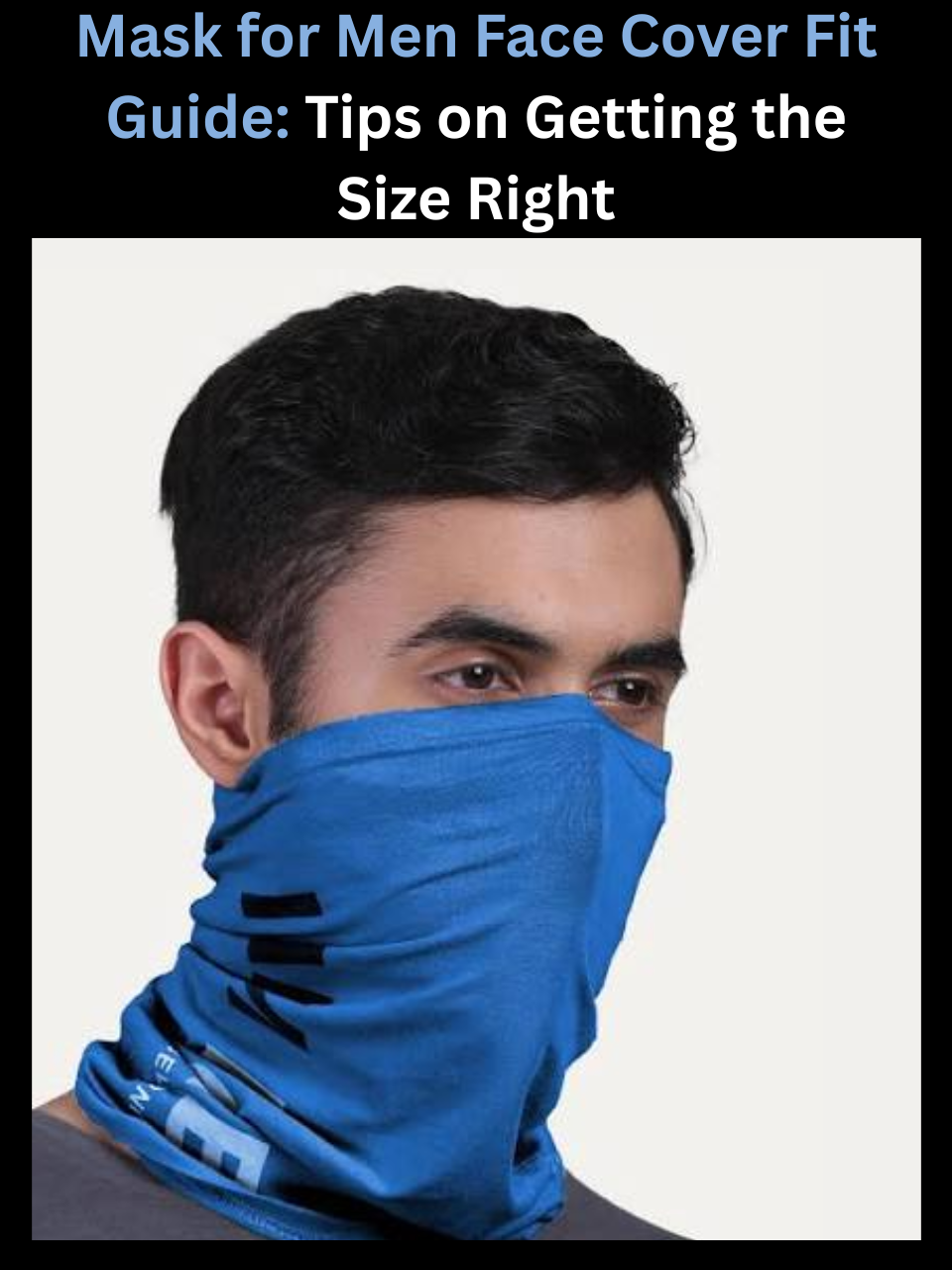
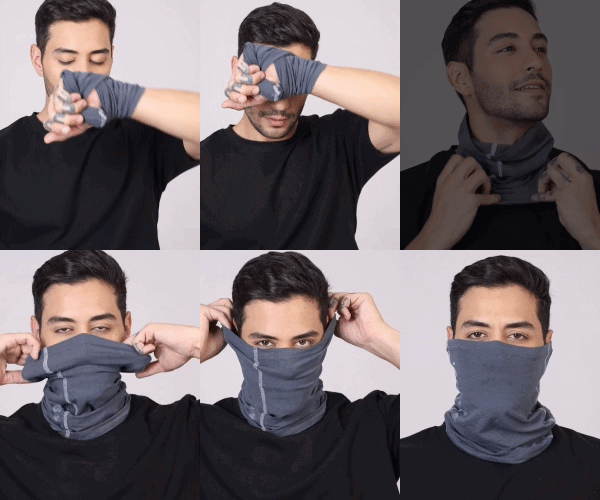
Freecultr's bandana-style masks use a fabric weight and weave constructed to offer meaningful coverage for regular outdoor sun exposure during commutes or outdoor activity, balancing this protective density against the breathability needed for comfortable extended wear. For men specifically looking for a face mask for sun protection for men that balances these considerations, explore Freecultr's bandana masks built for daily protection and comfort to see this fabric approach directly.
Conclusion
A face mask for sun protection for men only delivers genuine UV blocking if the fabric has sufficient density and a tight enough weave, since visually covering skin doesn't automatically guarantee meaningful UV protection, particularly with thin or loosely woven fabric.
Weave density and fabric weight matter more directly than color alone, though darker shades offer a modest additional benefit, and it's worth remembering that a fabric face covering works best as one part of a broader sun protection approach rather than a complete standalone solution. Freecultr's bandana masks are built to balance meaningful sun protection with the breathability needed for comfortable regular wear.
More Articles
- Explore Freecultr's bandana masks built for daily protection and comfort
- Browse the full men's innerwear range in micro-modal, bamboo, and organic cotton
- Shop anti-bacterial men's briefs with moisture-wicking micro-modal
- Shop men's all-day boxer shorts with anti-odor breathable fabric
FAQs
Does covering the face with a mask automatically block UV rays?
Not necessarily. Thin or loosely woven fabric can still allow significant UV penetration even while visually covering the skin, so fabric density and weave tightness matter more than simple coverage.
Does color affect UV protection in a face mask for sun protection?
Yes, but modestly. Darker colored fabric generally absorbs more UV before it passes through compared to very light, thin fabric, though this effect is smaller than weave density and fabric weight.
Can a fabric face covering replace sunscreen entirely?
No, a face covering reduces UV exposure to the covered areas specifically, but it works best as one part of a broader sun protection approach alongside sunscreen and sunglasses, not as a complete standalone solution.
Why does fabric stretch during wear affect UV protection?
Stretching fabric, which happens naturally with facial movement and talking, can reduce its effective density at that stretched point, potentially reducing UV blocking compared to the fabric's relaxed-state rating.