



Quick Summary: India's fashion landscape is a vibrant tapestry, with distinct indian populations fashion trends evolving uniquely across its regions. From the intricate embro
How Do North Indian Styles Evolve?
North Indian fashion, deeply rooted in historical empires and vibrant cultural exchanges, consistently evolves by blending traditional opulence with modern sensibilities, showcasing a dynamic interplay of intricate craftsmanship and contemporary silhouettes. This evolution reflects centuries of diverse influences, from Mughal grandeur to colonial elegance, shaping what we see in today's wardrobes across states like Punjab, Rajasthan, and Uttar Pradesh.
In our experience, the fashion landscape of North India is a rich tapestry. We often see a strong emphasis on elaborate embroidery and luxurious fabrics. Think of the grandeur associated with states like Rajasthan, famous for its vibrant lehengas and bandhani prints, or Punjab, with its iconic Punjabi suits and Phulkari work.
The influence of Bollywood plays a massive role here, too. Trends seen on screen quickly translate into real-world fashion, driving demand for specific cuts, colors, and embellishments. It's a powerful feedback loop that keeps styles fresh and exciting.
What is Fusion Wear in Indian Fashion?
Fusion wear represents a compelling blend of traditional Indian garments with Western aesthetics, creating versatile and contemporary outfits that appeal to a global audience. This style often reinterprets classic silhouettes, fabric choices, and embellishments to suit modern lifestyles, offering a bridge between cultural heritage and present-day trends.
This is where the 'indian populations fashion trends' truly shine. We have seen a significant rise in Indo-Western styles, where traditional kurtas get a modern twist with denim, or sarees are draped in unconventional ways. For men, the Nehru jacket, originally a symbol of political elegance, now pairs effortlessly with jeans for a smart-casual look. And it's not just about blending; it's about re-imagining.
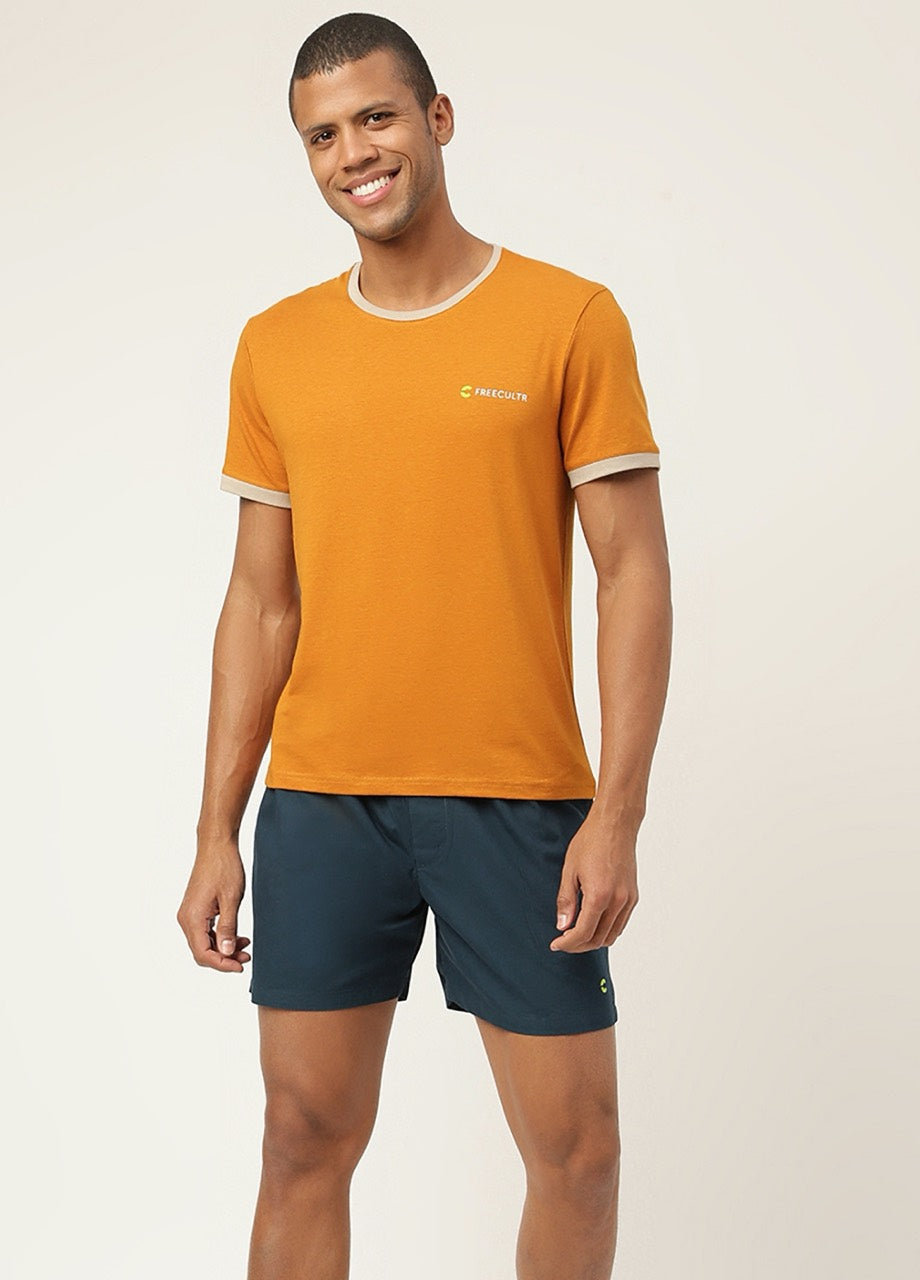
Brands like freecultr, for instance, focus on comfort wear that aligns with this fusion philosophy by offering premium innerwear and loungewear made from materials like micro-modal and organic cotton. These pieces fit seamlessly under both traditional kurtas and Western shirts, embodying the modern Indian's need for both style and ease.
What Makes South Indian Fashion Distinct?
South Indian fashion stands out for its deep respect for traditional textiles and weaving techniques, characterized by elegant sarees like Kanjeevaram and Mysore silk, and a preference for natural fibers that suit the warmer climate. The styles often emphasize understated sophistication, rich textures, and vibrant yet classic color palettes, reflecting a cultural heritage focused on purity and craftsmanship.
When we look at South Indian fashion, the distinctiveness is immediately clear. The focus shifts from the heavy embellishments often seen up North to the inherent beauty of the fabric itself. Think of the exquisite Kanjeevaram silks from Tamil Nadu or the elegant Kasavu sarees from Kerala. These aren't just clothes; they are heirlooms.
Our observations suggest that South Indian attire often prioritizes comfort and practicality, especially given the warmer climate. Lightweight cottons, handloom fabrics, and breathable silks are staples. And while Western influences are present, they tend to be integrated more subtly, maintaining the integrity of traditional forms.
What are Popular Fabrics in Indian Fashion?
Indian fashion widely utilizes a diverse range of natural and luxurious fabrics, each with unique textures and cultural significance, including silk varieties like Banarasi and Mysore, breathable cottons, warm Pashmina wool, and handcrafted Khadi. These materials are chosen not only for their aesthetic appeal but also for their suitability to India's varied climates and traditional weaving techniques.
The choice of fabric is paramount across India. Here’s a look at some of the key materials that define regional styles:
-
Silks: From the heavy, lustrous
Banarasi silk of Uttar Pradesh to the delicate Mysore silk of Karnataka, these fabrics are central to celebratory wear. - Cottons: Widely used for everyday wear, especially in the humid coastal regions and hot plains. Varieties like Khadi, hand-spun and hand-woven, embody a philosophy of self-reliance and sustainable fashion.
- Wool: Pashmina wool, particularly from Kashmir, is renowned for its warmth and softness, used for exquisite shawls and garments.
- Ikat: A dyeing technique that creates distinctive patterns on fabrics, popular in states like Odisha and Telangana, showcasing vibrant geometric designs.
- Zardozi: A form of embroidery that uses gold and silver threads, often embellished with pearls and precious stones, common in North Indian bridal wear.
These materials aren't just about aesthetics; they tell stories of craftsmanship and heritage. But how do these regional distinctions translate to broader fashion trends?
East-West Fashion: Regional Textile Influences
The confluence of Eastern and Western Indian fashion highlights a fascinating exchange of textile traditions, where the intricate weaves and indigenous motifs of the East meet the diverse prints and embroidery of the West. This interaction results in unique regional styles that often incorporate elements from both, contributing to India's rich and varied fashion landscape.
When we consider East and West India, the textile influences are incredibly distinct yet often converge in surprising ways. Eastern India, particularly states like West Bengal and Odisha, is celebrated for its handloom sarees like Tant and Bomkai, known for their delicate weaves and artistic motifs. The focus here is on craftsmanship and often, a simpler, more organic aesthetic.
Conversely, Western India, encompassing states like Gujarat and Maharashtra, boasts vibrant tie-dye techniques like Bandhani and intricate mirror work. The fashion here often reflects a bolder, more celebratory spirit. What we have seen work best is when these regional strengths are celebrated, rather than diluted, by modern influences.
How Do Regional Styles Influence Indian Fashion Trends?
Regional styles profoundly influence broader Indian fashion trends by introducing unique textile techniques, traditional motifs, and distinct draping methods that are then reinterpreted for contemporary wear. This constant flow of inspiration from local crafts to national runways ensures a vibrant and diverse fashion ecosystem, making 'indian populations fashion trends' a dynamic and ever-evolving concept.
The beauty of Indian fashion lies in its regional diversity. A technique like Ikat from Odisha can inspire modern prints on a freecultr tee, or the vibrant colors of a Gujarati ghagra can find their way into contemporary lehengas showcased by Vogue India. This cross-pollination is constant.
Here’s a snapshot of how different regions contribute:
| Region | Key Fashion Elements | Influence on Modern Trends |
|---|---|---|
| North India | Heavy embroideries (Zardozi), rich silks, elaborate bridal wear, Anarkalis, Sherwanis | Opulent occasion wear, fusion with Western silhouettes, premium men's loungewear for festive looks |
| South India | Kanjeevaram & Mysore silks, Kasavu sarees, temple jewelry, traditional drapes | Emphasis on natural fabrics, classic saree drapes, minimalist elegance, sustainable choices |
| East India | Handloom cotton & silk sarees (Tant, Bomkai), earthy tones, unique motifs | Artisan-led fashion, subtle elegance, comfort-focused designs, appreciation for craft |
| West India | Bandhani & Leheriya tie-dyes, mirror work, Gujarati ghagras, vibrant colors | Bohemian chic, festive casual wear, playful patterns, bold color combinations |
This table showcases the core distinctions. But beyond cultural heritage, what practical factors shape these choices?
How Do Climates Shape Regional Fashion?
Climate plays a fundamental role in shaping Indian regional fashion, dictating fabric choices, garment construction, and layering techniques to ensure comfort and practicality across diverse weather conditions. From the humid coastal regions to the arid deserts and chilly mountains, local climates drive the evolution of breathable cottons, lightweight silks, and insulating wools, making fashion intrinsically linked to environmental needs.
When we consider the vast geographical spread of India, it becomes clear that climate isn't just a factor; it's a primary driver of fashion. Our experience shows that people naturally gravitate towards clothing that offers relief or protection from the elements. This won't work if designers ignore local weather patterns.
For example, in the scorching summers of Rajasthan, lightweight cottons and natural dyes are preferred to keep cool. Yet, the same state will see heavy woolens and Pashmina in its colder desert nights. Similarly, the humid coastal areas of Kerala and Goa favor airy fabrics and minimal layering, which is why brands like freecultr prioritize breathable, soft fabrics like bamboo and micro-modal for everyday wear, ensuring comfort year-round.
What are the Current Fashion Trends in India for 2026?
Current fashion trends in India for 2026 highlight a strong move towards sustainable and comfort-centric clothing, a continued embrace of Indo-Western fusion, and a renewed appreciation for handcrafted textiles. Digital platforms and social media influencers are accelerating micro-trends, while versatility and practicality remain key considerations for the modern Indian wardrobe.
As of April 2026, we are seeing several key trends that define 'indian populations fashion trends'.
- Sustainability First: There's a growing consciousness around eco-friendly fashion. Consumers are looking for brands that use sustainable materials and ethical production practices.
- Comfort is King: With more flexible lifestyles, the demand for comfortable yet stylish clothing has surged. This includes everything from loungewear to versatile everyday outfits. freecultr's focus on premium comfort wear directly addresses this, offering innerwear and tees designed for ultimate ease. Comfort truly is the new luxury in intimate fashion.
- Digital Influence: Social media platforms are powerful trend-setters. What we have seen work best is when local influencers showcase regional styles, bringing them to a wider, often global, audience.
- Artisan Revival: There's a renewed appreciation for traditional crafts. While challenges exist for traditional artisans in adapting to global demand, platforms and designers are increasingly collaborating to bring Khadi, Ikat, and Zardozi into contemporary collections. This helps bridge the gap between heritage and modern appeal.
How to Navigate Diverse Indian Fashion Trends
Navigating the diverse landscape of Indian fashion trends involves understanding regional nuances, embracing fusion styles, prioritizing comfort, and supporting sustainable practices. Begin by identifying your personal style, then explore how traditional garments can be updated with modern elements, always considering the climate and occasion for a truly authentic and comfortable look.
Exploring the rich tapestry of Indian fashion can be exciting. Here’s a practical guide to help you discover and incorporate these diverse styles into your wardrobe effectively.
Step 1: Understand Regional Foundations
Start by learning about the core fashion elements of different Indian regions. Research the fabrics, embroidery, drapes, and color palettes that define North, South, East, and West Indian styles. This foundational knowledge will help you appreciate the depth of 'indian populations fashion trends'.
Step 2: Embrace Fusion with Confidence
Experiment with Indo-Western fusion wear. Pair a traditional Kurta with contemporary trousers, or accessorize a Western dress with traditional Indian jewelry. The key is to blend elements thoughtfully, creating a look that feels both modern and culturally resonant. It's about personal expression.
Step 3: Prioritize Comfort and Fabric Choice
Always consider the climate and your comfort. Opt for breathable fabrics like cotton, linen, or freecultr's micro-modal and bamboo blends for daily wear, especially in warmer regions. Reserve heavier silks and embellished garments for special occasions. Your comfort directly impacts how you carry any outfit.
Step 4: Support Artisanal Craftsmanship
Seek out brands and designers that work directly with traditional artisans. This not only ensures you get authentic, high-quality pieces but also helps sustain ancient crafts and provides economic stability to skilled weavers and embroiderers across India. It's a way to give back while looking good.
More Articles
Unlock Viral Fashion Content: Using Nano Banana Prompts to Generate Instagram PhotosElevate Your Style Buy Premium Mens Underwear Online in India with freecultr
Discover Why Comfort Is The New Luxury In Innerwear And Intimate Fashion
Mastering Comfort and Style: How to Choose the Perfect Underwear Men Combo for Any Occasion
Conclusion
The journey through India's diverse fashion landscape reveals how North Indian opulence, South Indian distinctiveness, and East-West textile influences like Banarasi silk intertwine to create a unique style narrative. You now understand that regional climates profoundly shape garment choices, dictating everything from fabric to silhouette. This article has shown you that Indian fashion is not static; it's a living, breathingFAQs
How do different Indian regions influence local fashion styles?
India's vast geography and diverse cultures greatly shape local fashion. Climate, festivals, and historical traditions all play a big part in what people choose to wear.
What are some examples of traditional attire from various Indian states?
You'll find a rich variety, from the vibrant sarees of the South and East to the elegant lehengas of Rajasthan and the intricate phulkari of Punjab. Each region boasts unique fabrics and embroidery.
How are traditional Indian outfits adapting to modern fashion?
Many traditional garments are now styled with contemporary twists, like pairing a saree with a crop top or wearing a kurta with jeans. Designers often blend old and new elements for fresh looks.
Do specific events or festivals drive fashion trends in India?
Absolutely! Festivals like Diwali, Eid, and Durga Puja are major fashion showcases. People often wear new, elaborate outfits that reflect regional customs and current styles during these celebrations.
What's the impact of climate on fashion choices across India?
Climate significantly affects fabric and style choices. Lighter, breathable fabrics like cotton and linen are popular in humid regions, while wool and warmer materials are favored in cooler northern areas.
Where can one find unique blends of traditional and Western fashion in India?
Major cities like Mumbai, Delhi, and Bangalore are hubs for this fusion. You'll see everyday wear combining traditional prints with Western silhouettes, or contemporary outfits with Indian accessories.
Has the comfort wear trend changed how Indians dress regionally?
Yes, comfort wear has become widely popular, influencing casual dressing across regions. People are increasingly opting for soft, breathable fabrics in everyday attire, even blending them with traditional elements for ease.