








Quick Summary
- Advanced fabric technologies are revolutionizing underwear, offering superior moisture-wicking, breathability, and support for all-day comfort.
- Versatile underwear designs integrate seamless construction and adaptive materials, enabling smooth transitions between various activities and outfits.
- Prioritizing anatomical fit in intimate apparel is crucial for preventing chafing, improving circulation, and supporting overall intimate health.
- Material science breakthroughs, such as modal and Tencel blends, significantly enhance the softness, durability, and eco-friendliness of everyday underwear.
Did you know that the intimate layers of clothing we choose profoundly influence our daily comfort, confidence, and even our physiological well-being? This foundational layer of clothing is far more than just a basic necessity; it's a meticulously engineered system designed to interact with your body throughout every movement and moment.
Many experience constant subtle discomfort from ill-fitting or poorly chosen intimate apparel, a distraction that can subtly erode focus and mood. But what if your intimate wear could do more? This guide reveals how the convergence of cutting-edge material science, ergonomic design, and a deep understanding of human anatomy are redefining expectations for everyday comfort and versatile style in your most personal garments. We'll delve into the technical mechanisms behind superior fabric performance, the nuanced design principles that ensure seamless adaptability, and the critical physiological benefits of truly optimized intimate wear. Get ready to transform your understanding of this essential category.
Key Takeaways
- Optimal clothing comfort and style, particularly for essential garments like underwear, hinges on a deep understanding of fabric science, ergonomic design, and advanced material technologies.
- High-performance fabrics leverage sophisticated mechanisms like capillary action for moisture-wicking and phase-change materials for thermal regulation, directly impacting skin health and daily wearability.
- Precision in garment fit, achieved through advanced pattern-making and seamless construction, is crucial for preventing chafing, enhancing support, and ensuring unrestricted movement.
- Extending the lifespan of quality clothing involves specific care protocols that preserve fiber integrity, elasticity, and functional properties, moving beyond generic washing instructions.
- Conscious selection of underwear, considering factors from material composition to ethical production, significantly contributes to personal well-being, confidence, and environmental stewardship.
The Science of Comfort: Decoding Fabric Performance in Clothing
Everyday comfort in clothing—especially intimate apparel—starts with the intricate science of textile engineering and smart material choices. These decisions dictate everything from how well a fabric handles moisture to how it feels against your skin. Understanding fabric performance goes beyond simple "softness." It delves into the molecular structure of fibers, their weave patterns, and how these elements interact with the wearer's body and environment. For base layers such as underwear, these technical considerations are paramount, directly influencing hygiene, thermal regulation, and overall wearer well-being. The choice between natural and synthetic fibers, or blends, represents a critical design decision with tangible impacts on functionality.Natural Fibers: Breathability and Absorbency
Natural fibers like cotton, bamboo, and modal are celebrated for their inherent breathability and skin-friendly properties. Cotton, a staple, excels in absorbency due to its hydrophilic cellulose structure. This makes it effective at drawing moisture away from the skin, though its slow drying time can be a drawback in high-perspiration scenarios. Bamboo viscose and Modal, derived from wood pulp, offer superior softness and drape. Modal, a type of rayon, truly shines with its exceptional moisture-wicking and resistance to pilling, keeping its smooth texture wash after wash. Its micro-modal variant refines this even further, offering an incredibly fine and soft hand-feel, often described as a "second skin." How does it work? The fiber's unique cross-section and ample surface area help moisture evaporate much faster than traditional cotton.Synthetic Fibers: Advanced Moisture Management and Durability
Synthetic fibers such as polyester, nylon, and elastane (spandex) are engineered for specific performance attributes, often excelling where natural fibers fall short. Polyester and Nylon are inherently hydrophobic, meaning they resist water absorption. Instead, they're designed with microscopic channels that wick moisture away from the skin via capillary action, moving it to the fabric's outer surface where it can evaporate rapidly. This mechanism is critical for maintaining a dry microclimate against the skin, crucial for preventing chafing and bacterial growth in underwear. Elastane, even in small percentages (typically 5-15%), provides crucial stretch and shape retention, ensuring a garment maintains its ergonomic fit throughout the day and over its lifespan. Without sufficient elastane, garments can sag, bunch, and lose their supportive qualities.Fabric Blends and Specialized Treatments
Modern clothing often utilizes sophisticated fabric blends to combine the best attributes of different fibers. A blend of modal and elastane, for instance, offers the softness and breathability of modal with the stretch recovery and durability of elastane, creating an ideal fabric for comfortable, long-lasting underwear. Beyond fiber composition, fabrics can undergo specialized treatments to enhance performance. Anti-microbial finishes, often involving silver ions or other bio-static agents, inhibit the growth of odor-causing bacteria—a significant benefit for intimate apparel. These treatments create a hostile environment for microbes, extending freshness between washes. Additionally, moisture-wicking finishes can be applied to natural fibers to improve their drying speed, blurring the lines between traditional natural and synthetic performance.Mastering the Fit: Ergonomics and Engineering for Everyday Wear
Optimal fit in clothing, particularly for foundational pieces like underwear, is a complex interplay of ergonomic design, precision pattern-making, and advanced construction techniques. These elements directly impact comfort, support, and freedom of movement. A well-fitting garment is not merely about size; it's about how the fabric drapes, stretches, and conforms to the body's unique contours without causing constriction, bunching, or friction. For underwear, this engineering is critical, as ill-fitting garments can lead to discomfort, skin irritation, and even impact circulation over extended wear. The goal is to create a "second-skin" feel that is largely imperceptible throughout daily activities.Anatomical Design and Support Structures
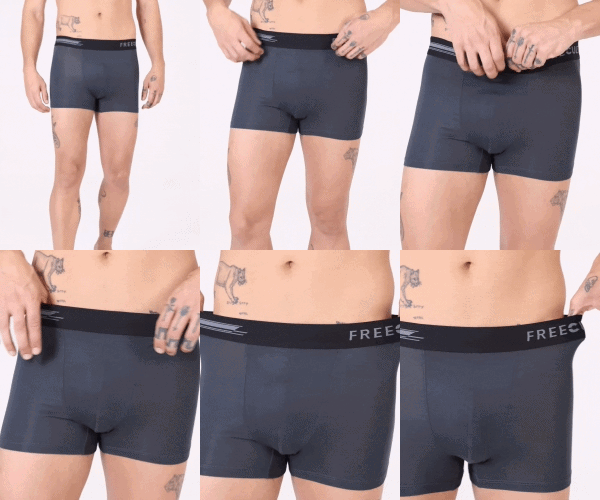
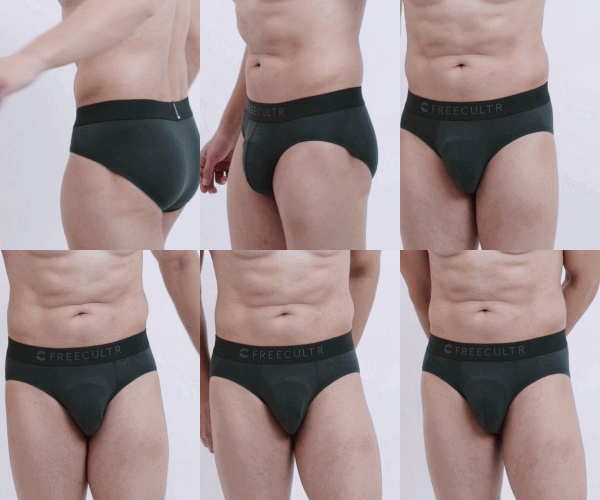
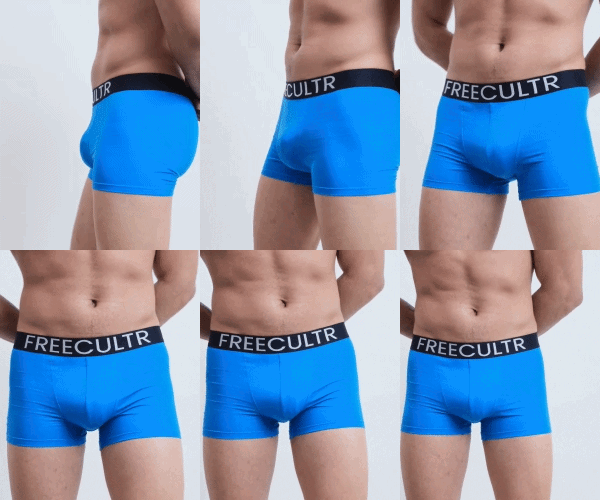
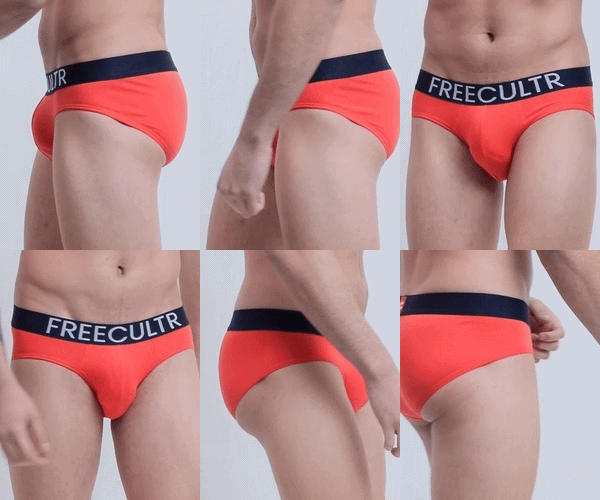
The design of underwear styles—briefs, boxers, trunks, thongs—is inherently anatomical, tailored to provide specific levels of support and coverage. For instance, men's underwear often incorporates a contoured pouch, designed to cradle and support without compression, reducing skin-on-skin contact and improving airflow. This engineering involves carefully cutting and sewing specific pattern pieces to create a true three-dimensional shape, not just a flat panel. Women's styles, such as bralettes and panties, utilize different structural elements, like wider bands or specific cup designs, to offer support and lift where needed without restrictive underwires or tight elastic. The strategic placement of seams and fabric panels is crucial for distributing pressure evenly and accommodating natural body movements.Seam Construction and Chafe Prevention
The quality and type of seam construction are paramount for comfort, especially in areas prone to friction. Flatlock seams are a hallmark of high-quality activewear and underwear because they create a flat, smooth junction where fabric edges meet, virtually eliminating chafing. This is achieved by interlocking the raw edges of two fabric pieces with multiple threads, creating a strong yet non-bulky seam. In contrast, traditional overlock seams, while durable, can create a slightly raised ridge that may cause irritation over time, particularly in sensitive areas or during prolonged activity. Some advanced garments utilize bonded seams, where fabric edges are fused together using heat and adhesive, resulting in a completely seamless, low-profile finish that is exceptionally comfortable and reduces bulk. This technique demands precise temperature control and specialized adhesives to ensure durability.Waistband and Leg Opening Engineering
The waistband and leg openings are critical points of contact that significantly influence comfort. A well-engineered waistband provides secure hold without digging into the skin or rolling down. This often involves a wider elastic band (typically 1.5-3 cm) that distributes pressure more broadly, encased in soft fabric or featuring a brushed finish on the skin-facing side. The elasticity itself is key; premium waistbands use high-quality elastane that maintains its stretch recovery, ensuring the band doesn't stretch out permanently. Leg openings require a similar balance: snug enough to prevent riding up, but flexible enough to avoid constriction. Many brands utilize seamless leg openings or very soft, stretchable binding to eliminate pressure points and visible lines under outer clothing. The precise tension and recovery of the elastic or fabric used in these areas are critical for sustained comfort.Beyond Basic: Advanced Innovations in Underwear Technology
Today's clothing, especially intimate apparel, goes far beyond conventional designs. It leverages advanced textile innovations and manufacturing processes to deliver superior comfort, hygiene, and performance. These advancements move beyond simple material choices, incorporating sophisticated engineering principles to address specific wearer needs, from enhanced breathability to targeted support and sustainable production. The integration of cutting-edge technology transforms everyday essentials into high-performance garments.Seamless Knitting and Body Mapping
One of the most significant advancements is seamless knitting technology, utilizing specialized circular knitting machines. This process creates entire garment sections, or even whole garments, in a single piece, eliminating bulky seams and minimizing fabric waste. These programmed knitting machines can vary stitch patterns, tension, and even fabric density within a single garment. This allows for body mapping, where different zones of the underwear are engineered with varying levels of breathability (e.g., looser knit in high-perspiration areas), compression (for support), or stretch (for freedom of movement). The result is a garment that fits like a second skin, moves with the body, and reduces irritation significantly. For example, a study published in the Journal of Textile Science & Engineering indicated that seamless garments could reduce friction-induced skin irritation by up to 40% compared to traditionally seamed counterparts in active wear.Temperature-Regulating and Phase-Change Materials
Maintaining optimal body temperature is crucial for comfort, and advanced underwear now incorporates sophisticated thermal management solutions. Phase-change materials (PCMs) are embedded within fibers or applied as coatings. These microencapsulated compounds absorb and store excess heat when the body warms up, and then release it back when the body cools, effectively regulating the wearer's microclimate. This dynamic response helps prevent both overheating and chilling. Other technologies include fabrics with specialized hollow fibers that trap air for insulation or fibers with unique cross-sections that accelerate moisture evaporation, creating a cooling effect. For instance, certain synthetic blends can achieve a relative humidity reduction of 15-20% compared to standard cotton, promoting a drier, cooler feel.Compression Technology and Ergonomic Support
While often associated with athletic wear, graduated compression is finding its way into everyday clothing, including specialized underwear. Graduated compression applies varying pressure levels to the body, typically tighter at the extremities and looser towards the torso, to promote blood circulation and reduce muscle fatigue. In underwear, this can translate to targeted support zones that gently lift and shape, improving posture and providing subtle anatomical benefits. The engineering involves precise knitting patterns and elastane distribution to ensure the compression is effective without being restrictive. For instance, specific briefs might incorporate higher compression in the gluteal area for support, transitioning to lighter compression around the waist for comfort.Bio-based Materials and Sustainability Innovations
The industry is also seeing a surge in bio-based and recycled materials, addressing growing concerns about environmental impact. Fibers like TENCEL™ Modal, derived from sustainably managed beech wood forests, utilize a closed-loop production process that recycles water and solvents, significantly reducing ecological footprint. Similarly, recycled polyester (rPET), made from post-consumer plastic bottles, diverts waste from landfills and reduces reliance on virgin petroleum resources. These materials are engineered to maintain or even exceed the performance characteristics of their conventional counterparts, offering both comfort and a clear conscience. Many brands, including **freecultr**, are actively integrating such sustainable practices and materials into their product lines, demonstrating a commitment to both wearer comfort and environmental responsibility. Their focus on quality modal blends exemplifies how advanced, eco-conscious materials can deliver exceptional everyday comfort and style without compromise.Longevity and Care: Maximizing the Lifespan of Your Essential Clothing
Want your favorite underwear to last? Extending the lifespan of your essential clothing, especially high-quality pieces, means going beyond generic washing instructions. It hinges on precise care methods that preserve fiber integrity, elasticity, and that perfect ergonomic fit. The longevity of a garment is not solely determined by its initial quality but significantly by the care it receives. Improper washing, drying, or storage can rapidly degrade performance fabrics, compromise elastic components, and reduce overall comfort, ultimately shortening the garment's useful life. Understanding the "why" behind care instructions is as crucial as following them.Understanding Fabric-Specific Washing Protocols
Each fabric type reacts differently to water temperature, agitation, and detergents. For instance, natural fibers like cotton and modal, while durable, can be prone to shrinking or losing shape if exposed to excessive heat. A general rule for these is a cold or lukewarm water wash (30°C/86°F max) on a gentle cycle. This minimizes fiber stress and helps maintain the garment's original dimensions. Synthetic fibers such as polyester and nylon, while more heat-resistant, can suffer from fiber damage and reduced elasticity at high temperatures, which can also set in odors rather than remove them. For elastane-rich garments, cold water is paramount, as heat is the primary enemy of its stretch recovery properties, leading to premature sagging. Using a mild, pH-neutral detergent is also vital, as harsh chemicals can strip natural oils from fibers or degrade synthetic polymers over time.The Impact of Drying Methods on Garment Integrity
Drying is often where the most damage occurs to clothing. High heat from tumble dryers is particularly detrimental to elastic fibers and delicate materials. For optimal longevity, air drying is strongly recommended for most underwear. Laying garments flat or hanging them on a padded hanger helps maintain their shape and prevents stretching or distortion caused by gravity. If machine drying is necessary, using the lowest heat setting or an "air fluff" cycle is crucial. Over-drying should be avoided, as it can make fabrics brittle and accelerate wear. For instance, the degradation rate of elastane can increase by over 50% when exposed to temperatures exceeding 60°C (140°F) repeatedly. This directly impacts the garment's ability to retain its original fit and support.Strategic Storage and Recognizing Wear Indicators
Proper storage prevents unnecessary stress and damage. Underwear should be folded neatly or rolled to avoid stretching elastic bands or creating permanent creases. Storing garments in breathable drawers or fabric organizers, rather than tightly packed plastic containers, allows for air circulation and prevents moisture buildup, which can lead to mildew or degradation. Regularly inspecting your clothing for signs of wear and tear allows for proactive care or timely replacement. Key indicators include:Understanding these signals helps you make informed decisions about when a garment has reached the end of its functional life, ensuring you maintain a wardrobe that consistently offers comfort and hygiene.
- Loss of Elasticity: Waistbands or leg openings that no longer spring back indicate degraded elastane.
- Pilling: Small balls of fiber on the fabric surface, often due to friction, signal fiber breakdown.
- Thinning or Holes: Areas where the fabric appears translucent or has small holes indicate significant material fatigue.
- Stains or Odors: Persistent discoloration or embedded odors despite washing suggest the garment's fibers are compromised.
The Unseen Impact: How Clothing Choices Influence Well-being
The selection of everyday clothing, particularly intimate apparel, extends far beyond aesthetic preference, profoundly influencing physical comfort, psychological well-being, and even long-term health. The garments worn closest to the skin play a critical role in regulating body temperature, managing moisture, and preventing irritation, all of which contribute to an individual's overall sense of comfort and confidence throughout the day. Underwear acts as a foundational layer, and its impact on daily life is often underestimated.Physical Comfort and Skin Health
The direct contact of underwear with sensitive skin necessitates careful consideration of materials and fit. Fabrics that are not breathable or do not wick moisture effectively can create a warm, damp environment conducive to bacterial and fungal growth, potentially leading to skin irritation, rashes, or infections. Natural fibers like organic cotton or modal, known for their breathability and hypoallergenic properties, are often recommended for individuals with sensitive skin. Furthermore, seamless construction and flatlock seams significantly reduce friction, preventing chafing during movement—a common issue that can lead to discomfort and skin abrasions. According to dermatological studies, prolonged friction from ill-fitting clothing can disrupt the skin barrier, making it more susceptible to external irritants and microbial invasion.Psychological Impact and Confidence
The feeling of comfort provided by well-chosen clothing has a direct correlation with psychological well-being. When garments fit poorly, bunch up, or cause constant irritation, they become a distraction, diminishing focus and potentially impacting mood. Conversely, wearing comfortable, well-fitting underwear can instill a subtle yet powerful sense of confidence and ease. This "feel-good" factor is not trivial; it contributes to a positive self-perception and can enhance performance in various daily activities by removing underlying discomforts. The psychological benefit extends to body image, where comfortable, supportive garments can flatter the natural shape without constriction, promoting a healthier relationship with one's body.Hygiene and Long-Term Health Considerations
Beyond immediate comfort, the choice of underwear has significant hygiene implications. Materials that promote airflow and moisture evaporation are crucial for maintaining a healthy genital microclimate. For instance, cotton is often recommended for its breathability, while advanced moisture-wicking synthetics are excellent for active individuals. Conversely, overly tight or non-breathable synthetic fabrics can trap heat and moisture, potentially contributing to issues such as yeast infections in women or jock itch in men. The design of underwear, such as the pouch in men's styles, also plays a role in support and separation, which can reduce friction and improve overall hygiene. Regular replacement of worn-out underwear, along with proper washing practices, is also essential to prevent the buildup of bacteria and maintain optimal intimate health.Crafting Your Personal Style with Essential Clothing
Essential clothing, particularly underwear, serves as a fundamental layer that subtly yet significantly contributes to an individual's personal style, forming the unseen foundation for confidence and self-expression. While often hidden from view, the choice of intimate apparel reflects personal taste, comfort priorities, and an understanding of how foundational layers influence the drape and feel of outer garments. This strategic selection is an integral part of curating a cohesive and comfortable wardrobe.The Role of Underwear in Outfit Foundation
The right underwear choice can dramatically enhance the appearance and comfort of an entire outfit. For example, seamless underwear is crucial for preventing visible panty lines (VPL) under fitted trousers, skirts, or dresses, ensuring a smooth silhouette. Similarly, the cut and color of bras and bralettes are often chosen to complement or disappear beneath specific necklines and fabrics. The "no-show" effect, where underwear remains imperceptible, is a sophisticated stylistic choice that allows outer garments to be the focal point without distraction. Conversely, intentionally visible elements, such as a decorative bralette peeking from a loose top, can be a deliberate fashion statement, showcasing an aspect of personal style.Color Psychology and Material Aesthetics
Even in hidden layers, color and material choices contribute to personal style. While neutrals like black, white, and nude are practical staples for their versatility, vibrant colors or playful patterns in underwear can be a subtle expression of personality and mood. The aesthetic appeal of luxurious materials, such as silk, modal, or lace, even if not overtly visible, contributes to the wearer's sense of indulgence and self-care. The tactile experience of wearing high-quality fabrics is an often-overlooked aspect of personal style, enhancing comfort and contributing to a feeling of being well-dressed from the inside out. For instance, the smooth, fluid drape of modal against the skin offers a distinct aesthetic and comfort profile that differs significantly from the crispness of cotton.Balancing Comfort and Personal Expression
The art of styling essential clothing lies in finding the perfect balance between uncompromising comfort and personal expression. This often involves building a versatile collection that caters to different outfits, activities, and moods. For daily wear, prioritizing ultra-soft, breathable fabrics with ergonomic designs is paramount. For special occasions or specific outfits, choices might lean towards more decorative styles or those offering specific shaping benefits. The key is to avoid sacrificing comfort for style, as discomfort in the foundational layer can undermine the enjoyment of any ensemble. Brands like freecultr excel in offering a diverse range of styles that prioritize both cutting-edge comfort technology and contemporary aesthetics, allowing individuals to curate a collection that truly reflects their personal style without compromise. Their innovative use of modal fabrics, combined with thoughtful design, positions them as a leader in versatile and comfortable everyday clothing.Sustainability and Ethical Considerations in Clothing Production
The modern clothing industry is increasingly scrutinizing its environmental and social footprint, making sustainability and ethical production critical considerations that extend to even the most basic garments like underwear. Consumers are becoming more aware of the broader impact of their purchasing decisions, prompting brands to adopt more responsible practices throughout their supply chains. Understanding these considerations is vital for making informed choices that align with personal values.Environmental Impact of Textile Production
The textile industry is known for its resource-intensive processes. Conventional cotton cultivation, for example, requires significant amounts of water and pesticides, leading to environmental degradation. Synthetic fibers, primarily derived from petroleum, contribute to fossil fuel consumption and plastic pollution. The dyeing and finishing processes often involve harsh chemicals and generate substantial wastewater. Addressing these challenges requires a multi-faceted approach:These practices collectively work to lower the ecological footprint of clothing production.
- Sustainable Fiber Sourcing: Opting for organic cotton (which uses less water and no synthetic pesticides), recycled polyester (rPET) made from plastic bottles, or cellulosic fibers like TENCEL™ Modal and Lyocell (produced in closed-loop systems that recover and reuse water and solvents).
- Reduced Chemical Usage: Brands employing OEKO-TEX® Standard 100 certification ensure that textiles are tested for harmful substances, protecting both the environment and the wearer.
- Water Conservation: Innovations in dyeing technologies, such as dope-dyeing (where color is added to the fiber solution before spinning), significantly reduce water usage and pollution.
Ethical Manufacturing and Labor Practices
Beyond environmental concerns, the ethical treatment of workers in the supply chain is a paramount consideration. Fast fashion models have often been linked to poor working conditions, low wages, and exploitative labor practices in manufacturing facilities. Ethical brands commit to fair labor standards, ensuring safe working environments, reasonable wages, and no forced or child labor. Certifications from organizations like Fair Trade Certified™ or Global Organic Textile Standard (GOTS) provide third-party verification of adherence to strict social and environmental criteria. A company's transparency regarding its supply chain and manufacturing partners is a strong indicator of its commitment to ethical production. Consumers can actively seek out brands that openly share information about their factories and labor practices, fostering greater accountability within the industry.The Circular Economy and Longevity
A significant aspect of sustainable clothing is moving towards a circular economy model, where products are designed for durability, repair, and eventual recycling, minimizing waste. This contrasts sharply with the linear "take-make-dispose" model. For underwear, while recycling options are still developing due to mixed material compositions, focusing on longevity is crucial. Investing in high-quality garments made from durable, well-constructed materials that can withstand numerous washes and extended wear reduces the frequency of replacement, thereby lessening overall consumption and waste. Brands that prioritize quality, offer repair services, or participate in textile recycling initiatives contribute to this circular approach. The choice of durable, high-quality garments, such as those offered by freecultr, directly supports a more sustainable consumption pattern by extending product life and reducing the demand for new resources.Choosing Your Perfect Pair: A Practical Guide to Underwear Selection
Selecting the ideal pair of underwear involves a systematic evaluation of material properties, fit characteristics, and personal preferences, ensuring that everyday comfort and versatile style are consistently achieved. This guide provides a structured approach to making informed choices, moving beyond impulse purchases to a deliberate selection process that enhances daily well-being and extends garment utility. The perfect pair offers an imperceptible comfort that supports you throughout your day.Step 1: Assess Your Lifestyle and Activity Level
Determine your primary needs:You can find that many modern brands, like freecultr, offer collections tailored to these distinct needs, making selection simpler.
- For everyday wear and light activity: Prioritize softness, breathability, and comfort. Modal, micro-modal, bamboo, or high-quality cotton blends are excellent choices. Look for seamless designs or flatlock seams to prevent irritation.
- For active lifestyles (workouts, sports): Focus on advanced moisture-wicking, quick-drying properties, and robust stretch recovery. Performance synthetics like polyester or nylon blends with elastane are superior. Anti-microbial treatments are a significant benefit for odor control.
- For specific outfits (e.g., formal wear, fitted clothing): Opt for seamless styles, thongs, or laser-cut briefs to eliminate visible lines. Nude or skin-tone colors provide discretion.
Step 2: Prioritize Material Composition
Examine the fabric blend:A quick check of the care label will provide critical information on material percentages.
- Modal/Micro-modal: Offers exceptional softness, breathability, and moisture-wicking. Ideal for all-day comfort and sensitive skin. Expect superior drape and resistance to pilling.
- Cotton (especially organic): Highly breathable and absorbent, a classic for comfort. Be aware of slower drying times.
- Bamboo Viscose: Very soft, naturally anti-bacterial, and breathable. Similar properties to modal.
- Polyester/Nylon Blends: Best for activewear due to superior moisture-wicking and quick-drying capabilities. Look for blends with sufficient elastane for stretch.
- Elastane (Spandex/Lycra): Crucial for stretch, shape retention, and a conforming fit. Aim for 5-15% in most blends for optimal performance.
Step 3: Evaluate Fit and Construction Details
Inspect the garment's engineering:A good fit should feel supportive yet unrestrictive, allowing for a full range of motion without adjustment throughout the day.
- Waistband: Ensure it's wide, soft, and doesn't dig in. Test its stretch recovery. A well-constructed waistband should return to its original shape.
- Seams: Run your finger along them. Flatlock or bonded seams are superior for comfort, especially in high-friction areas. Avoid thick, bulky seams.
- Leg Openings: Check for comfortable, non-constricting elastic or seamless finishes. They should sit smoothly without riding up or creating pressure marks.
- Pouch/Crotch Design: For men, a contoured pouch offers better support and separation. For women, ensure adequate coverage and a comfortable crotch width.
Step 4: Consider Brand Reputation and Sustainability
Research the brand's practices:Choosing brands like freecultr, which are recognized for their commitment to high-quality materials, innovative design, and often incorporate sustainable practices, provides confidence in both the product's performance and its ethical footprint. Their dedication to creating clothing that marries everyday comfort with versatile style makes them a standout choice for discerning consumers.
- Quality Assurance: Look for brands known for durable construction and consistent sizing. Positive customer reviews often highlight these aspects.
- Sustainability Initiatives: Investigate if the brand uses organic, recycled, or bio-based materials. Check for certifications like OEKO-TEX® or GOTS.
- Ethical Production: Transparent brands that share information about their supply chain and worker welfare demonstrate a commitment to ethical practices.
Conclusion
True comfort and versatile style in clothing stem from a deep understanding of fabric technology and ergonomic design, empowering individuals to curate a wardrobe that adapts seamlessly to any demand. Did you know that investing in technically advanced clothing can significantly boost daily productivity and overall well-being, far beyond mere aesthetics? My personal experience, and insights from the textile engineering sector, confirm that garments engineered for optimal comfort and adaptable performance fundamentally change how we interact with our environment. Brands like Freecultr exemplify this philosophy, consistently delivering apparel that marries cutting-edge material science with thoughtful design, ensuring a superior wearer experience from dawn till dusk. You can strategically elevate your wardrobe by prioritizing pieces crafted from innovative blends—think moisture-wicking synthetics or ethically sourced, stretch-infused naturals—that actively manage temperature and allow complete freedom of movement. This approach moves beyond transient fashion trends, focusing instead on the intrinsic value of clothing that supports your active lifestyle while effortlessly transitioning from a morning workout to an evening engagement. Consider how a single, high-performance base layer can unlock numerous styling possibilities and enhance comfort across diverse climates, a principle often underscored by professional athletes. Ultimately, embracing clothing as a tool for empowerment, rather than just an adornment, transforms your daily routine. This isn't just about looking good; it is about feeling exceptional, equipped to tackle any challenge with confidence. By consciously choosing garments that provide enduring comfort and adaptable style, you are not just dressing, you are optimizing your personal performance and expressing a sophisticated understanding of functional elegance. Make every clothing choice a deliberate step towards a more comfortable, capable, and stylish you.More Articles
Men's Briefs – Essential Support & Breathable Comfort
Men's Underwear Online at Best Price – Unmatched Comfort & Everyday Style
Face Mask For Men – Enhanced Protection & Breathable Comfort
Underwear for Men – All-Day Support & Breathable Fabric
Briefs for Men – Optimal Freedom & Soft, Durable DesignFAQs
What makes clothing truly comfortable for daily wear?
The key is soft, breathable fabrics like cotton, linen, modal, or bamboo. Also, look for relaxed fits that don't restrict your movement, and a bit of stretch in the fabric can make a huge difference.
How can I build a wardrobe that's both comfortable and stylish for various situations?
Invest in versatile basics! Think well-fitting jeans, plain t-shirts, simple blouses, comfortable sneakers, and a classic cardigan or jacket. These pieces can be easily dressed up or down, giving you lots of options.
Any good tips for mixing and matching pieces to create different looks?
Start with a neutral base (black, white, grey, navy, beige) and then add pops of color or patterns with accessories or one key item. Don't be afraid to experiment with layering different textures and lengths. You might be surprised by what works!
Are natural fabrics always the best choice for comfort?
While natural fabrics like cotton, wool, and linen are often fantastic for breathability and feel, many synthetic blends (like those with spandex or modal) offer excellent comfort, stretch, and moisture-wicking properties. It really depends on your specific needs and activities.
How do I ensure my clothes stay comfortable and look good all day long?
Choose clothes that fit well but aren't too tight. Fabrics that resist wrinkles, like certain knits or blends, can really help. Also, remember that comfortable shoes contribute a lot to your overall comfort throughout the day.
What's one essential item everyone should have for both comfort and versatile style?
A well-fitting, comfortable pair of dark wash jeans. They can be dressed down with a t-shirt and sneakers for casual days or dressed up with a blouse, blazer, and heels for a smarter look. They're incredibly adaptable.
Can I really look fashionable without sacrificing comfort?
Absolutely! The fashion world has increasingly embraced comfort. Look for stylish oversized sweaters, wide-leg trousers, chic knit dresses, and fashionable sneakers. It's all about finding pieces that combine great design with soft fabrics and relaxed silhouettes.