









Quick Summary
- The midday test for breathable underwear is simple: by midday on a warm Indian day, does the fabric feel the same as it did in the morning, or does it feel warm, heavy, and damp?
- Most underwear marketed as breathable using terms like "cotton blend" or "ventilated" fails this test because the marketing description does not reflect the fiber's actual moisture and airflow properties.
- True breathable underwear, defined by fiber structure that allows airflow and active moisture-wicking, passes the midday test consistently. Micro-modal and bamboo are the two fabrics that reliably do this in India.
- Freecultr's micro-modal and bamboo underwear ranges for men and women are built on fiber structures that pass the midday test, with OEKO-TEX certification and construction suited to India's heat and humidity.
The Midday Test: A Simple Way to Check Breathable Underwear Claims
Breathable underwear is marketed extensively, but the term has no regulated meaning. A cotton-polyester blend, a "ventilated" mesh panel design, and genuinely moisture-wicking micro-modal can all be marketed as breathable, despite performing completely differently in actual wear.
The midday test cuts through the marketing language with one simple question: by midday on a warm Indian day, after a normal morning of activity, does the underwear feel the same as it did when you put it on?
Pass: The fabric feels approximately the same. Not noticeably warmer, not damp, not heavier.
Fail: The fabric feels warm, the surface is damp to the touch, and there is a sensation of heaviness compared to the morning.
Most underwear marketed as breathable fails this test. Here is why, and what passes.
Why Most "Breathable" Underwear Fails the Midday Test
Marketing Language vs. Fiber Structure
"Breathable" as a marketing term often describes garment construction (mesh panels, perforated fabric) rather than fiber-level properties. A cotton brief with small ventilation holes in the fabric is marketed as breathable. The cotton fiber itself still absorbs and holds moisture. The holes allow some airflow but do not address the moisture retention that makes cotton underwear feel damp by midday.
Cotton's Fundamental Moisture Behavior
Cotton fiber is hydrophilic. It attracts and holds water molecules within the fiber structure. This is the property that makes cotton absorbent, which is useful for towels and less useful for underwear worn through a sweating body part for 12 to 16 hours.
By midday, cotton underwear has absorbed sweat and is holding it against the skin. The fabric surface is damp. The garment feels heavier than it did dry. This happens regardless of how the garment is constructed or marketed, because the behavior is at the fiber level.
The Test Reveals What the Label Does Not
This is why the midday test is more useful than reading marketing copy. It tests the actual fiber behavior in actual conditions, which marketing language can describe inaccurately without being technically false.
What Passes the Midday Test: Fiber-Level Breathability
Micro-Modal
Micro-modal fiber has a capillary structure that actively moves moisture away from the skin surface and through the fabric, where it evaporates. This is wicking, distinct from absorbing. The fabric does not hold moisture against skin the way cotton does.
By midday, micro-modal underwear feels close to how it felt in the morning. Some moisture has moved through the fabric and evaporated, but the surface against skin remains comparatively dry.
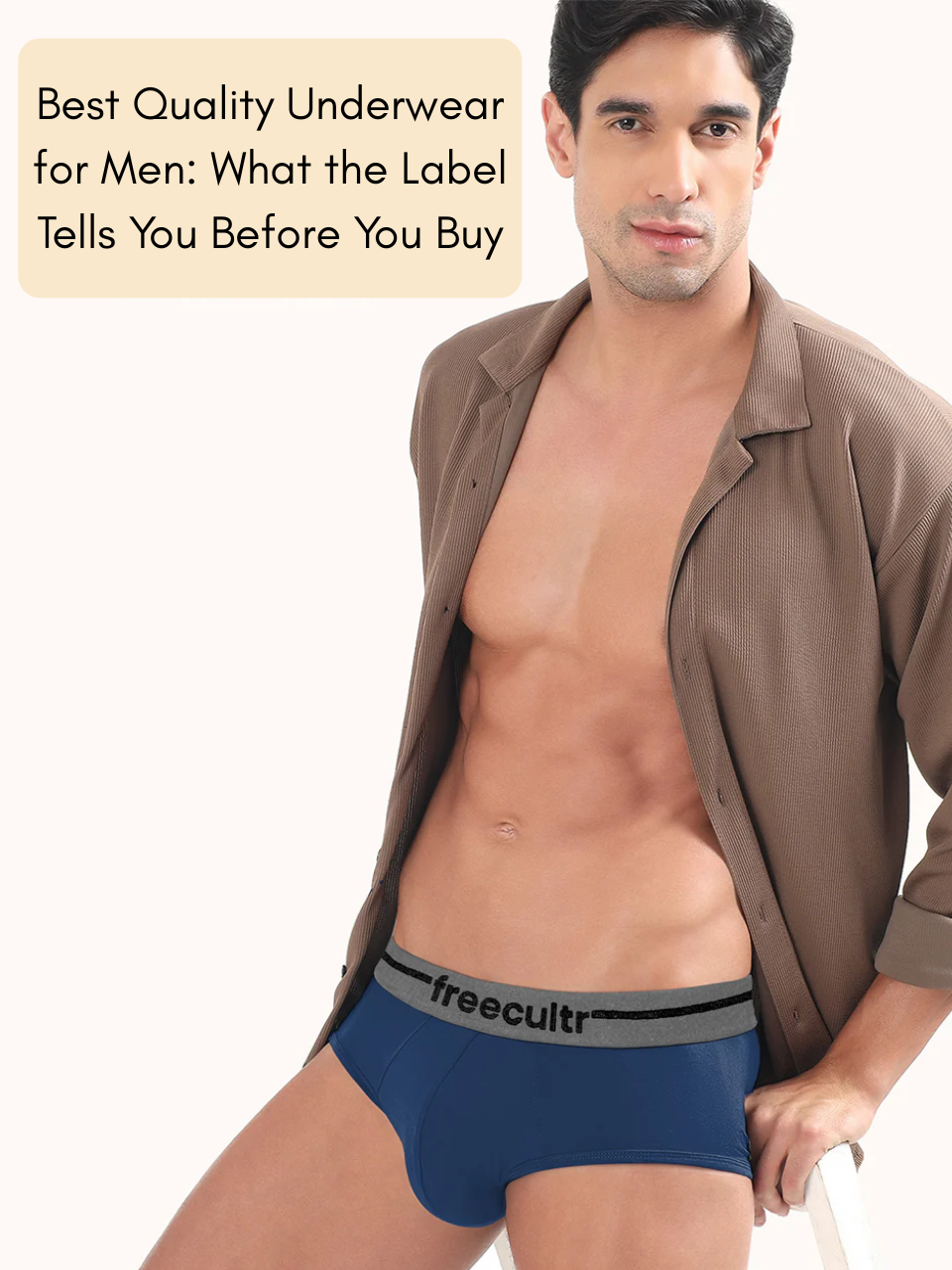
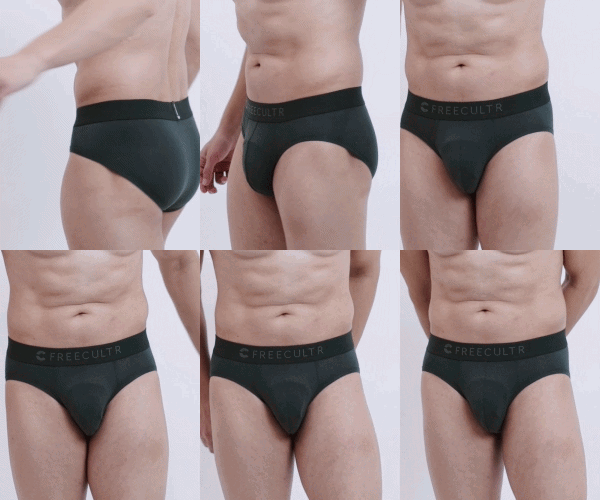
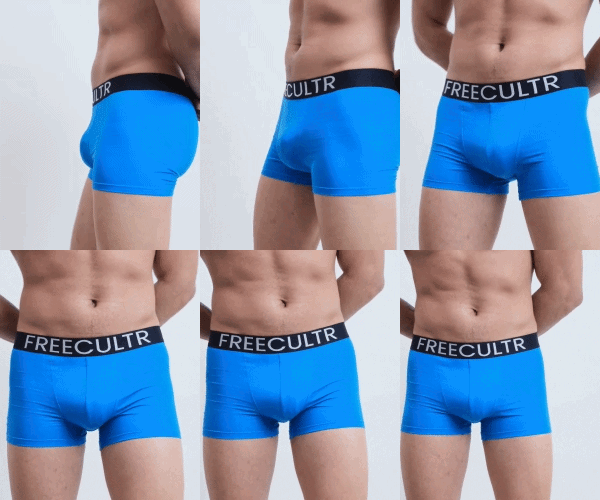
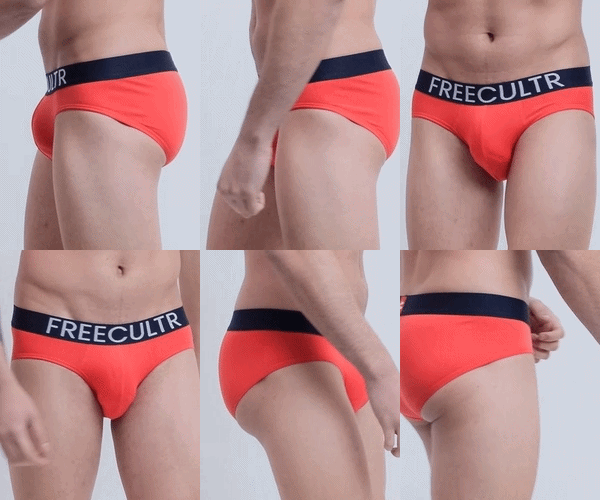
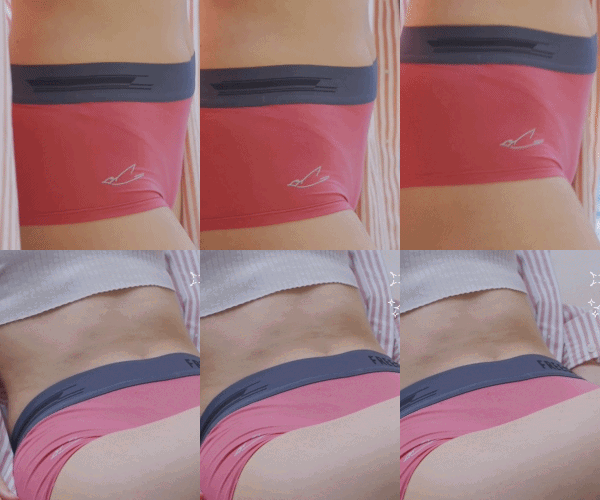
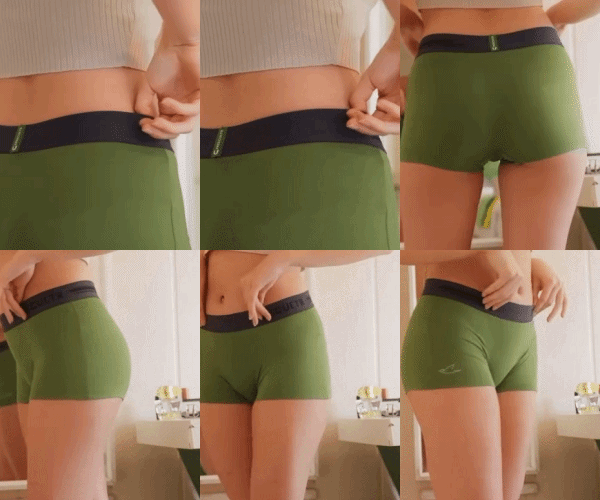
Freecultr's micro-modal underwear range is built on this fiber property. Shop anti-bacterial men's briefs with moisture-wicking micro-modal for the men's range. Discover soft hipster panties for women in micro-modal fabric for the women's range.
Bamboo
Bamboo fiber has a similar micro-gap structure to micro-modal, with slightly less aggressive wicking but the additional benefit of natural anti-bacterial properties from the bamboo kun bio-agent. Bamboo underwear passes the midday test reliably, with the fabric staying noticeably drier than cotton through warm conditions.
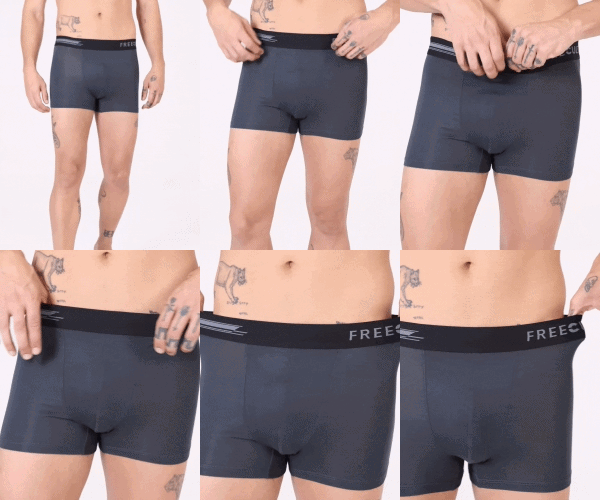
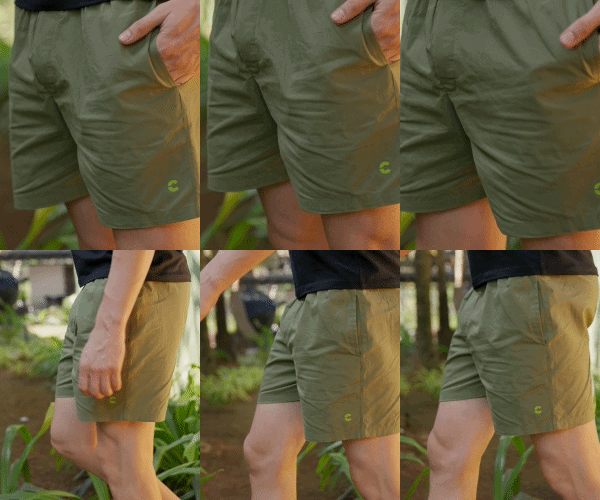
Shop men's all-day boxer shorts with anti-odor breathable fabric for the bamboo option in the boxer cut.
Modal
Standard modal, one step below micro-modal in fiber fineness, also passes the midday test reliably. The wicking is good though slightly less effective than micro-modal. Still significantly better than cotton.
What Fails the Midday Test
Standard Cotton
Fails reliably in warm conditions. The fiber absorbs moisture and holds it. By midday, the fabric is measurably damp.
Cotton-Polyester Blends
The polyester component does not absorb moisture but also does not wick it effectively in most consumer-grade blends. The cotton component still absorbs and holds. The blend often performs similarly to pure cotton on this test, sometimes worse if the polyester traps heat from the body.
"Ventilated" or "Mesh Panel" Cotton Designs
The ventilation addresses airflow around the garment but not the fiber-level moisture behavior. Cotton underwear with mesh panels still absorbs and holds moisture in the non-mesh sections, which usually include the areas in most direct contact with skin.
Breathable Underwear: Fiber Comparison Table
| Fiber | Midday Test Result | Why |
|---|---|---|
| Micro-modal | Pass | Active capillary moisture transport, finest fiber structure |
| Bamboo | Pass | Micro-gap fiber structure with natural moisture transport |
| Modal | Pass (slightly less effective than micro-modal) | Finer fiber than cotton, good wicking |
| Standard cotton | Fail | Hydrophilic fiber absorbs and holds moisture |
| Cotton-polyester blend | Usually fail | Cotton component absorbs, polyester does not wick effectively |
| Organic cotton | Fail (same as standard cotton) | Same fiber structure, cleaner production |
Running the Test on Your Current Underwear
Pick a warm day. Wear your current underwear through a normal morning of activity: commute, work, walking. At midday, before lunch or any change of clothing, check the fabric.
Touch the fabric directly. Is it damp? Does it feel noticeably warmer or heavier than it did in the morning? Be honest about the result rather than what the label promised.
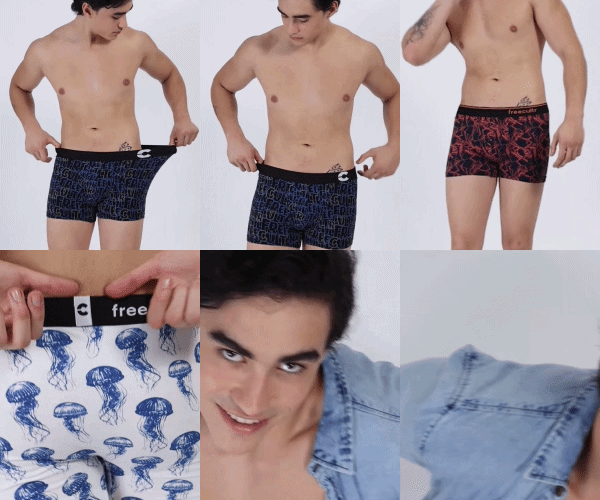
If the result is a fail, the fiber is the variable to change. Browse the full men's innerwear range in micro-modal, bamboo and organic cotton for men. Explore the everyday hipster and boyshort panties collection in 7 colors for women. Run the same midday test on either and compare the result directly.
Conclusion
Breathable underwear is a marketing term until you test it. The midday test in Indian heat is the simplest way to find out whether your underwear's fiber structure actually manages moisture or just claims to.
Micro-modal and bamboo pass this test reliably because the fiber structure does the work: capillary moisture transport that moves sweat away from skin rather than absorbing and holding it. Freecultr's micro-modal and bamboo ranges for men and women are built on these fiber properties specifically for Indian conditions.
Run the test on what you are wearing right now. The result is more informative than any label.
More Articles
- Trunks for Men: The One-Week Test That Tells You Everything
- Bamboo Underwear: The Natural Fabric Upgrade Worth Switching To
- Women's Boxer Briefs: Comfort Meets Style
- The Ultimate Guide to Buying Women's Boyshorts for Comfort and Style
FAQs
How do I know if my underwear is actually breathable?
Run the midday test. Wear the underwear through a normal morning on a warm day, then check the fabric at midday before any change of clothing. If the fabric feels approximately the same as it did in the morning, not damp, not noticeably warmer, it is genuinely breathable. If the fabric feels damp and heavy, the fiber is absorbing and holding moisture rather than wicking it, regardless of what the label says.
Why does cotton underwear feel damp by midday even if it is marketed as breathable?
Cotton fiber is hydrophilic, meaning it attracts and absorbs moisture into the fiber structure. This is a fiber-level property that garment construction features like mesh panels or ventilation holes do not change. Even cotton marketed with breathability claims still absorbs sweat throughout the morning and holds it against the skin, which is felt as dampness by midday. The marketing term describes construction features, not the fiber's actual moisture behavior.
What fabric passes the breathable underwear midday test in India?
Micro-modal and bamboo both pass the midday test reliably in India's warm conditions. Both fibers have a capillary or micro-gap structure that actively moves moisture away from skin and through the fabric for evaporation, rather than absorbing and holding it like cotton. Standard modal also passes, though slightly less effectively than micro-modal. Freecultr's micro-modal and bamboo ranges for men and women are built on these fiber structures.
Is bamboo or micro-modal more breathable for underwear?
Both pass the midday test reliably, with micro-modal having a slight edge in active moisture-wicking due to its finer fiber structure. Bamboo brings the additional benefit of permanent natural anti-bacterial properties from the bamboo kun bio-agent, which micro-modal achieves through applied treatment. For pure breathability performance, micro-modal is marginally ahead. For breathability combined with natural anti-bacterial that does not wash out, bamboo is the stronger choice. Freecultr offers both at the same construction standard.