












Quick Summary
- Breathable underwear matters more during Indian summer and monsoon months, when heat and humidity combine to create conditions standard cotton struggles to handle.
- Humidity specifically slows fabric drying time, which matters for both comfort during wear and hygiene between wash cycles.
- Fabric with genuine moisture-wicking properties, not just lightness, performs better during monsoon humidity than standard cotton.
- Freecultr's micro-modal and bamboo underwear are built with the airflow and moisture management that Indian climate conditions specifically demand.
Why Indian Climate Conditions Change the Breathability Equation
Breathable underwear matters everywhere, but the specific demands of Indian summer heat and monsoon humidity create conditions that make fabric choice considerably more consequential than it might be in drier or more temperate climates. High heat alone is one challenge, but combined with the elevated humidity that defines much of the Indian monsoon season, fabric that performs adequately in dry heat can still fall short when moisture in the air itself slows evaporation and drying.
Understanding this distinction, between fabric that handles dry heat well and fabric that specifically handles humid heat well, matters for choosing underwear that stays comfortable through the parts of the year when standard cotton options are most likely to disappoint.
How Humidity Specifically Affects Fabric Performance
In dry heat conditions, sweat evaporates relatively quickly from fabric surfaces, which helps regulate temperature and keeps fabric feeling less damp even during genuine heat. Humid conditions slow this evaporation process considerably, since the surrounding air is already saturated with moisture, meaning sweat lingers on and in the fabric longer than it would in drier heat, even at similar temperatures.
This is why the same fabric can feel noticeably different in humid monsoon conditions compared to dry summer heat, and why fabric genuinely engineered for active moisture-wicking, rather than passive breathability alone, performs better specifically during India's humid months.
Breathable Underwear: Performance in Humid Conditions
| Fabric Type | Dry Heat Performance | Humid Heat Performance |
|---|---|---|
| Standard cotton | Moderate | Poor, absorbs and holds moisture |
| Synthetic blends | Varies | Can trap heat further |
| Micro-modal | Good | Good, actively wicks moisture |
| Bamboo | Good | Very good, inherent anti-bacterial helps with humidity-related odor |
Why Standard Cotton Struggles Specifically During Monsoon Months
Cotton's tendency to absorb and hold moisture rather than actively wicking it away becomes a more significant issue during humid conditions, since the ambient humidity slows how quickly that absorbed moisture can evaporate from the fabric. This means cotton underwear can feel persistently damp during monsoon months in a way that's less pronounced during drier parts of the year, even at similar activity levels.
This dampness isn't just uncomfortable, it also creates conditions more conducive to bacterial growth and odor development, which is why humidity specifically increases the importance of both breathability and anti-bacterial fabric properties working together, rather than either factor alone being sufficient.
Why Bamboo Has a Specific Edge During Humid Conditions
Bamboo's inherent anti-bacterial property, built into the fiber itself rather than an applied treatment, becomes particularly valuable during monsoon humidity, when the combination of moisture and warmth creates ideal conditions for bacterial growth and associated odor. Combined with bamboo's naturally porous fiber structure supporting better airflow, this makes bamboo a particularly strong choice specifically for the humid months of the Indian calendar, even more so than during drier heat.
Drying Time Matters More Than People Realize During Monsoon
Beyond comfort during wear, humidity also affects how quickly washed underwear actually dries, which matters for hygiene and practical rotation planning during monsoon months when indoor or covered drying often becomes necessary due to rain. Fabric that dries faster, generally thinner, more moisture-wicking fabrics like micro-modal and bamboo, is genuinely more practical during monsoon season than thicker cotton that can take considerably longer to dry fully in humid indoor conditions.
This is a practical consideration worth factoring into your fabric choice specifically for the monsoon months, beyond just comfort during wear, since slow-drying fabric during a season when outdoor line-drying often isn't possible can create its own hygiene and rotation planning challenges.
Building a Season-Specific Rotation
Given how much climate affects fabric performance, it's worth considering whether your underwear rotation should shift somewhat seasonally, leaning more heavily on moisture-wicking, quick-drying fabric like micro-modal and bamboo during the hottest and most humid months, while standard cotton might perform acceptably during cooler, drier parts of the year. This doesn't require a complete wardrobe overhaul, but recognizing that fabric performance genuinely varies by season helps set more realistic expectations for comfort throughout the year.
What to Check When Shopping for Monsoon-Ready Underwear
Look specifically for moisture-wicking language on the product description, rather than assuming any lightweight fabric automatically handles humidity well. Bamboo and micro-modal blends with explicit moisture-wicking properties are worth prioritizing for the monsoon months specifically, over standard cotton options that may perform adequately during cooler, drier periods but fall short once humidity becomes a factor.
Where Freecultr's Range Fits Indian Climate Conditions
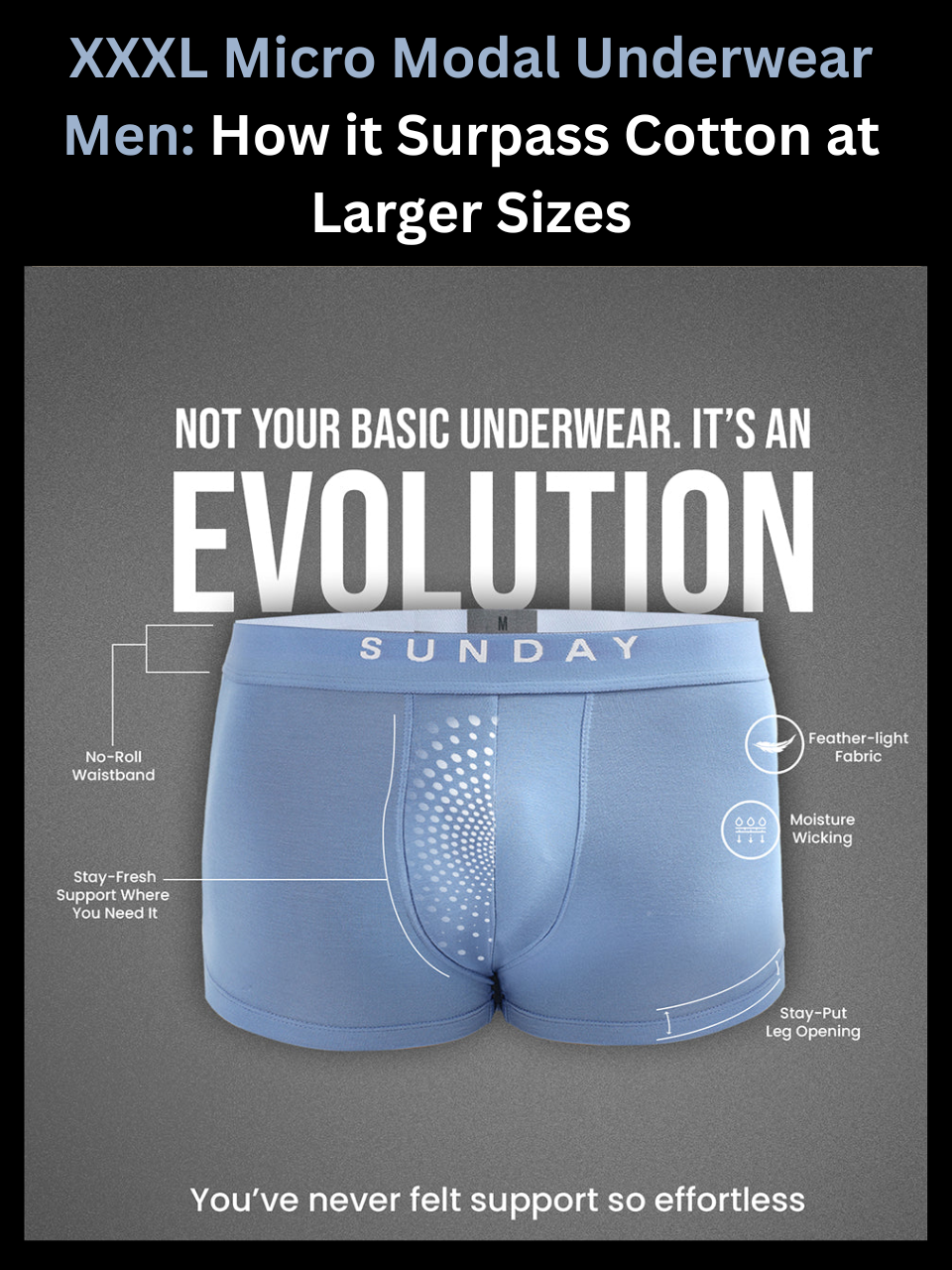
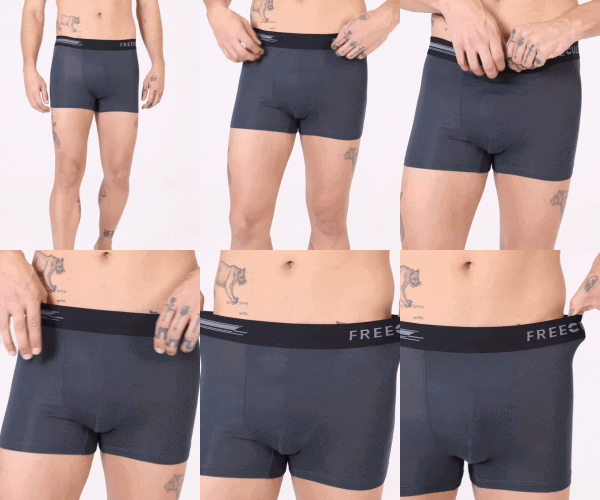
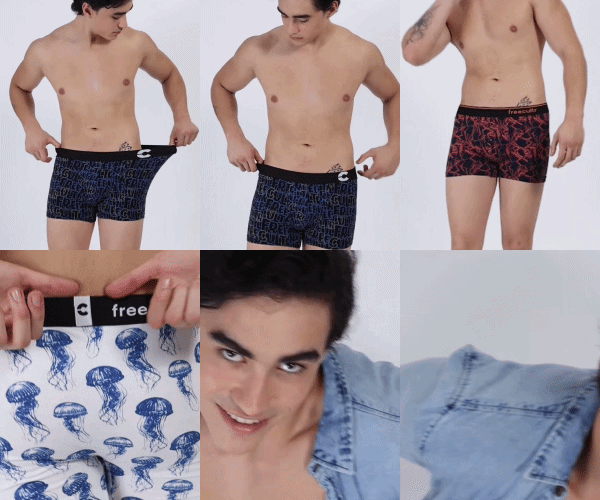
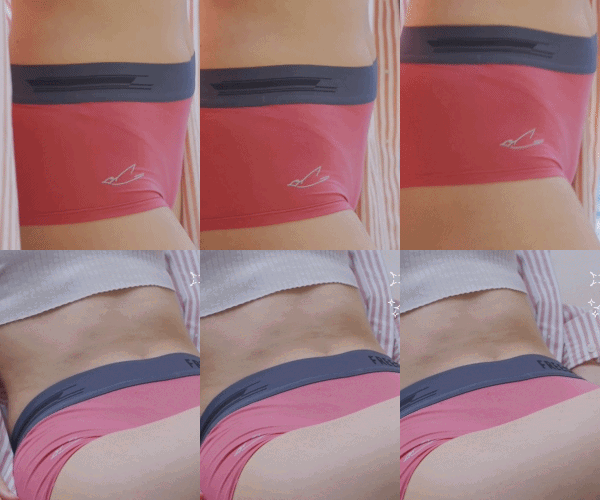
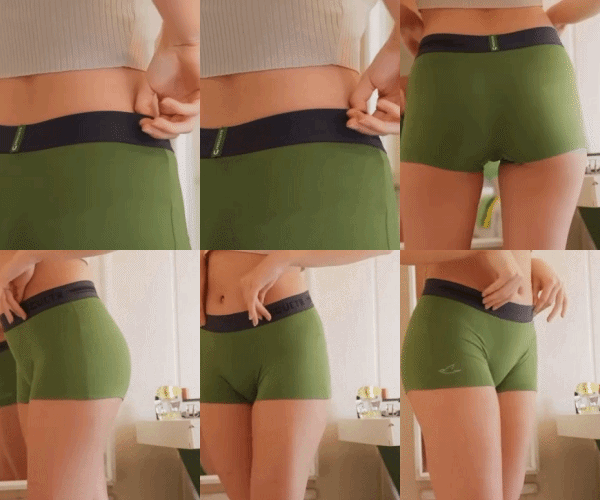
Freecultr's micro-modal and bamboo underwear are built with genuine moisture-wicking properties and strong airflow, addressing both the heat and humidity challenges that define much of the Indian calendar rather than being optimized for dry heat conditions alone. Bamboo's inherent anti-bacterial property adds a specific advantage for the humidity-related odor concerns that intensify during monsoon months.
For men and women specifically looking for breathable underwear built to handle Indian summer heat and monsoon humidity, browse the full men's innerwear range in micro-modal, bamboo, and organic cotton to see the fabric composition detailed clearly for each option.
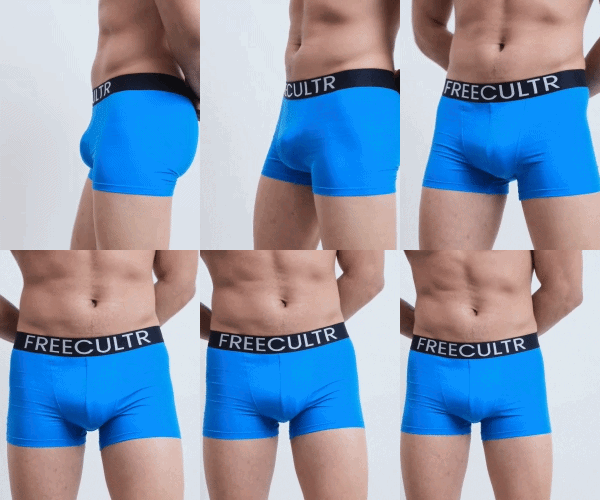
For a naturally airier fit that pairs well with humid conditions specifically, shop men's all-day boxer shorts with anti-odor breathable fabric combines both fabric and cut advantages for humid weather comfort.
Conclusion
Breathable underwear becomes even more important during Indian summer heat and especially during monsoon humidity, when standard cotton's tendency to absorb and hold moisture is compounded by slower evaporation in humid air.
Fabric with genuine moisture-wicking properties, particularly micro-modal and bamboo, handles these conditions considerably better than standard cotton, with bamboo offering a specific advantage for humidity-related odor thanks to its inherent anti-bacterial property.
Freecultr's range is built around exactly this kind of genuine climate performance, addressing both heat and humidity rather than dry conditions alone.
More Articles
- Browse the full men's innerwear range in micro-modal, bamboo, and organic cotton
- Shop men's all-day boxer shorts with anti-odor breathable fabric
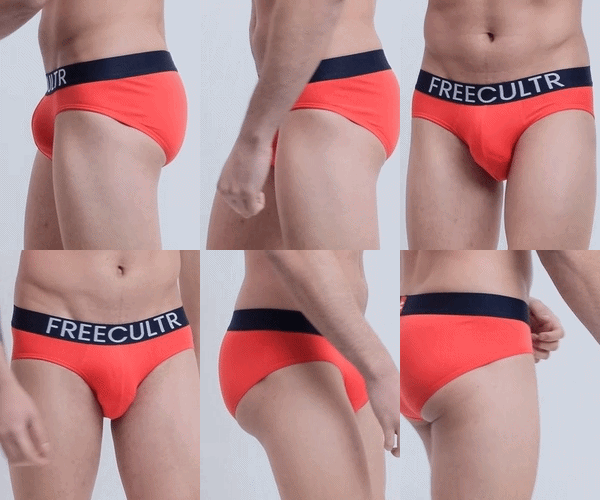
- Shop anti-bacterial men's briefs with moisture-wicking micro-modal
- Shop breathable women's boy shorts with full coverage and no-show finish
FAQs
Why does breathable underwear matter more during monsoon season?
Humidity slows how quickly sweat evaporates from fabric, meaning cotton underwear that performs adequately in dry heat can feel persistently damp during humid monsoon conditions, increasing the importance of genuine moisture-wicking fabric.
Is bamboo better than micro-modal for monsoon humidity specifically?
Bamboo has a slight edge due to its inherent anti-bacterial property, which helps with humidity-related odor concerns, while both fabrics offer strong airflow and moisture-wicking performance compared to standard cotton.
Does drying time matter when choosing monsoon underwear fabric?
Yes, thinner, moisture-wicking fabrics like micro-modal and bamboo dry faster than thicker cotton, which is practically important during monsoon months when indoor drying often becomes necessary due to rain.
Should I switch underwear fabric seasonally in India?
It's worth considering, since moisture-wicking fabric like micro-modal and bamboo performs noticeably better during hot, humid months, while standard cotton may perform acceptably during cooler, drier parts of the year.